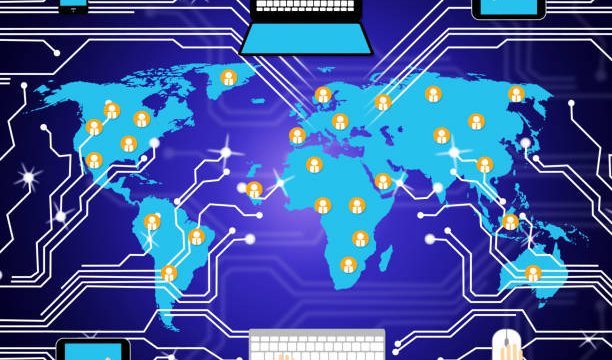
In today’s educational landscape, the integration of technology has transformed how we approach learning and teaching.
Among the most significant advancements is the use of analytics to predict student success.
This innovative approach not only enhances educational outcomes but also fosters a deeper understanding of individual student needs.
As we explore the potential of analytics in education, we can appreciate how these insights can create a more personalized and effective learning experience.
The journey of education is often filled with challenges, both for students and educators. Every learner comes with their own set of backgrounds, experiences, and aspirations. Analytics can serve as a guiding light, helping educators identify patterns and trends that might not be immediately visible. By examining data from various sources—such as attendance records, assignment completion rates, and even social interactions—schools can gain valuable insights into student behavior and performance.
A gentle exploration of data-driven insights reveals that analytics can highlight students who may be at risk of falling behind. For instance, if a student consistently misses classes or struggles with certain subjects, educators can intervene early. This proactive approach allows for tailored support, which can make a significant difference in a student’s educational journey. Rather than waiting for a student to fail, analytics encourages a culture of early intervention and support.
The power of analytics extends beyond identifying at-risk students. It can also illuminate the strengths and interests of learners. Through careful analysis of performance metrics, educators can recognize the subjects or areas where a student excels. This understanding can help in steering students toward paths that align with their passions and skills, fostering a sense of fulfillment and motivation. When students feel that their unique talents are recognized and nurtured, they are more likely to engage deeply with their education.
Creating a supportive environment is essential for student success, and analytics can play a vital role in shaping this atmosphere. By understanding the dynamics of classroom interactions and peer relationships, educators can foster a more inclusive community. For example, analytics can reveal how group work impacts student engagement or highlight the importance of collaborative learning. Armed with this knowledge, teachers can design activities that promote teamwork and communication, enhancing the overall learning experience.
As we delve deeper into the role of analytics, it’s important to acknowledge the ethical considerations that accompany data usage. The collection and analysis of student data must be approached with care, ensuring that privacy and confidentiality are prioritized. Educators and administrators must navigate the balance between leveraging data for improvement and maintaining the trust of students and families. Transparency in how data is collected and used can help build this trust, allowing for a collaborative approach to student success.
A small shift toward balance can also be observed in how analytics informs curriculum development. By analyzing data on student performance across different subjects, educators can identify gaps in knowledge or areas that require more focus. This insight allows for the refinement of teaching methods and materials, ensuring that the curriculum remains relevant and effective. In this way, analytics not only supports individual students but also contributes to the continuous improvement of educational programs.
Moreover, the integration of analytics fosters a culture of reflection among educators. Teachers can use data to evaluate their teaching practices and identify what works best for their students. This self-reflection encourages professional growth and collaboration among staff, leading to a more dynamic and effective teaching environment. When educators share insights and strategies, they create a supportive network that benefits everyone involved in the learning process.
As we consider the future of education, it’s clear that analytics will continue to play a pivotal role in shaping student success. The ability to harness data effectively opens up new possibilities for personalized learning experiences. Imagine a classroom where each student receives tailored support based on their unique needs and strengths. This vision is becoming increasingly attainable as schools adopt data-driven approaches.
In the realm of higher education, analytics can also provide valuable insights into student retention and graduation rates. By understanding the factors that contribute to student persistence, institutions can implement strategies to support learners throughout their academic journeys. This holistic approach not only enhances individual outcomes but also contributes to the overall success of educational institutions.
Ultimately, the integration of analytics in education is about more than just numbers; it’s about fostering a deeper connection between students and their learning experiences. By understanding the nuances of each learner’s journey, educators can create environments that nurture growth, resilience, and success. As we continue to explore the intersection of technology and education, it’s essential to keep the focus on the human element at the heart of it all.
In conclusion, the potential of analytics to predict student success is a testament to the evolving landscape of education. By leveraging data to understand individual needs and strengths, educators can create a more supportive and personalized learning experience. As we embrace these advancements, we can look forward to a future where every student has the opportunity to thrive and reach their full potential. This journey, driven by compassion and insight, is not just about academic achievement; it’s about cultivating a generation of learners who are empowered and engaged in their own educational paths.