Creating thematic classroom units can transform the educational experience, infusing lessons with creativity and purpose.
Thematic units allow students to explore subjects in depth, making connections across different disciplines while engaging their natural curiosity.
This article offers a collection of ideas for thematic classroom units that can inspire both teachers and students alike.
A gentle approach to learning
One of the most effective ways to create a thematic unit is to start with a central theme that resonates with students’ interests and the world around them. Themes such as nature, community, or the power of storytelling can serve as anchors for various subjects, from science and math to language arts and social studies. For instance, a unit centered around nature can include studies of ecosystems in science, nature-inspired poetry in language arts, and even mathematical patterns found in nature, such as the Fibonacci sequence.
Incorporating art and creativity into thematic units not only enriches the learning experience but also nurtures students’ creative expression. For example, when exploring the theme of community, students might engage in projects that involve creating murals or community maps. This approach fosters a sense of belonging and encourages collaboration, as students work together to express their understanding of the community they live in.
Exploring the world through themes
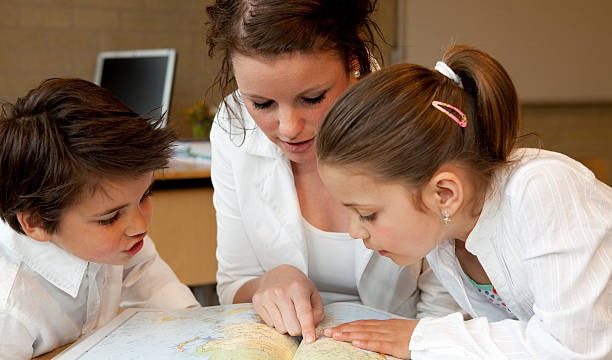
Another enriching idea is to embrace global perspectives by focusing on themes related to different cultures or regions of the world. This approach not only broadens students’ understanding but also cultivates empathy and appreciation for diversity. A thematic unit centered on a particular country can explore its geography, history, and traditions, integrating subjects like geography, social studies, and even culinary arts. Students may engage in activities such as cooking traditional dishes, learning regional dances, or even hosting a cultural fair.
This immersive experience allows students to step into the shoes of others, fostering a sense of global citizenship. By learning about different cultures, students can develop critical thinking skills as they consider various viewpoints and lifestyles. Such thematic units can be particularly impactful in creating a classroom environment that values inclusion and respect.
Connecting through literature
Literature is another powerful tool for thematic units, offering a way to explore complex ideas and emotions through storytelling. A unit focused on themes of resilience or friendship can incorporate a variety of texts, from classic literature to contemporary novels and poetry. Students can analyze characters’ journeys, drawing parallels to their own experiences and discussing the broader implications of these themes in society.
Writing can also play a crucial role in these thematic units. Students might be encouraged to create their own stories or poems that reflect the theme, allowing them to process their thoughts and feelings in a creative manner. This not only enhances their writing skills but also deepens their understanding of the theme itself.
A small shift toward balance
Incorporating themes related to wellness and mindfulness can greatly benefit students’ emotional and mental well-being. A thematic unit centered around self-care, for example, can introduce students to practices such as mindfulness, gratitude, and healthy living. This unit can include activities like journaling, yoga, or even gardening, allowing students to explore the importance of taking care of their minds and bodies.
Such themes can be particularly relevant in today’s fast-paced world, where students often feel overwhelmed. By integrating lessons on balance and well-being, educators can help students develop coping strategies and a positive mindset. This holistic approach to education not only supports academic growth but also nurtures emotional resilience.
Encouraging critical thinking through themes
Thematic units can also serve as a platform for encouraging critical thinking and problem-solving skills. A unit focused on environmental issues, for example, can engage students in discussions about sustainability and conservation. They might investigate local environmental challenges, participate in community clean-up efforts, or even develop proposals for reducing waste in their school.
By tackling real-world problems, students learn to think critically about solutions and consider their role in creating positive change. This hands-on approach fosters a sense of agency, empowering students to take initiative and collaborate on meaningful projects.
Fostering connections with families
Finally, thematic units can extend beyond the classroom, inviting families to be part of the learning experience. A unit centered on family traditions, for example, can encourage students to interview family members and share stories from their cultural backgrounds. This not only enriches the classroom discussions but also strengthens the bond between home and school.
Involving families in thematic units can create a sense of community and support. Hosting events where students showcase their projects or share their learning can foster connections among families and celebrate the diverse backgrounds represented in the classroom.
Embracing the journey of learning
Thematic classroom units offer an exciting opportunity to engage students in a deeper and more meaningful learning experience. By connecting various subjects through central themes, educators can create a more holistic approach to education that nurtures creativity, critical thinking, and emotional well-being. Whether exploring nature, cultures, literature, or wellness, these units encourage students to embrace the journey of learning, fostering curiosity and a lifelong love for knowledge.
As educators and students embark on these thematic adventures together, they not only expand their understanding of the world but also strengthen the bonds that unite them as a community of learners. In this way, thematic units become more than just a teaching tool; they transform the classroom into a vibrant space of exploration, creativity, and connection.