In the ever-evolving landscape of education, project-based learning has emerged as a transformative approach that invites students to explore, create, and engage with their surroundings in meaningful ways.
This method fosters not just academic skills but also critical thinking, collaboration, and a sense of ownership over one’s learning journey.
Whether you’re a teacher seeking fresh ideas or a parent looking to inspire curiosity at home, there are countless ways to implement project-based learning across all grades.
A gentle invitation to curiosity
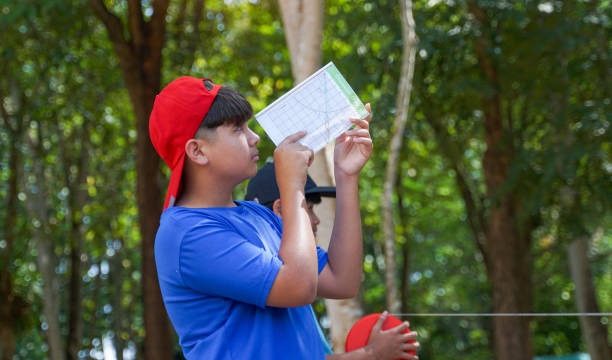
For the youngest learners, project-based learning can be a delightful exploration of the world around them. Consider a nature scavenger hunt, where preschoolers venture outside to find specific plants, insects, or rocks. This simple project encourages them to observe their environment closely, fostering a sense of wonder. After their hunt, children can create a collage or a scrapbook, illustrating their findings with drawings or photographs. This not only reinforces their connection to nature but also allows for creative expression.
As children transition to elementary school, projects can become slightly more complex. A great example is a community garden project. Students can research different plants that thrive in their local climate, learn about the importance of sustainability, and even engage in the planting process. This project not only teaches valuable lessons about biology and ecology but also cultivates a sense of responsibility as students watch their garden grow. Incorporating discussions about healthy eating and the environment can deepen their understanding of the interconnectedness of these themes.
A small shift toward collaboration
When students reach middle school, the dynamics of project-based learning can shift to include more collaboration. One exciting idea is a “business pitch” project, where students work in groups to develop a product or service that addresses a local issue. This project encourages them to brainstorm, conduct market research, and present their ideas to peers or even local business owners. Not only does this foster teamwork and communication skills, but it also introduces them to concepts of entrepreneurship and community engagement.
In addition to fostering collaboration, middle school students can benefit from projects that encourage critical thinking. A great option is a historical reenactment project. Students can choose a significant event from history, research it, and then recreate it through a play or presentation. This immersive experience deepens their understanding of historical context and encourages them to think critically about the perspectives of different figures involved in the event.
Embracing deeper connections
As students progress to high school, project-based learning can take on even more depth and complexity. One engaging project idea is a documentary film project. Students can select a social issue they are passionate about, conduct interviews, and gather footage to create a short documentary. This not only hones their research and storytelling skills but also empowers them to raise awareness about important topics in their community or beyond.
Another enriching project is a “cultural exchange” program. Students can partner with schools in different countries to learn about each other’s cultures through virtual meetings or letter exchanges. They can create presentations or art projects that reflect their findings, fostering global awareness and appreciation for diversity. This project not only broadens their worldview but also instills a sense of empathy and connection to others.
A nurturing environment for exploration
Regardless of the grade level, project-based learning thrives in an environment that nurtures exploration and creativity. It’s essential to create a classroom or home space where students feel safe to express their ideas and take risks. Encouraging open dialogue and providing constructive feedback can help students build confidence in their abilities and develop a growth mindset.
Parents can also play a vital role in supporting project-based learning at home. Consider setting up a family project night where everyone collaborates on a fun activity, such as creating a family tree or designing a new board game. This not only strengthens family bonds but also allows children to see the value of teamwork and creativity in everyday life.
As students engage in project-based learning, it’s important to remember that the process is just as valuable as the final product. Emphasizing reflection and discussion can help them internalize what they’ve learned and appreciate their growth throughout the project. Encouraging them to share their experiences with peers or family members can further deepen their understanding and inspire others to embark on their own learning journeys.
A continuous journey of discovery
Project-based learning is not just a teaching method; it’s a philosophy that promotes lifelong learning and curiosity. By embracing the idea that education can be an adventure, we can inspire students of all ages to become active participants in their own learning. Each project, whether big or small, serves as a stepping stone toward greater understanding and connection with the world around them.
As we continue to explore innovative ways to engage students, let’s remember the power of creativity and collaboration. Whether in a classroom, at home, or within the community, project-based learning offers countless opportunities for students to discover their passions, develop essential skills, and forge meaningful connections. By fostering an environment that encourages inquiry and exploration, we can help cultivate a generation of learners who are not only knowledgeable but also compassionate and engaged citizens.
In this journey of education, every project is a chance to ignite curiosity, foster connections, and inspire a love for learning that lasts a lifetime. Embracing project-based learning can transform the educational experience, making it richer, more engaging, and ultimately, more rewarding for students and educators alike.