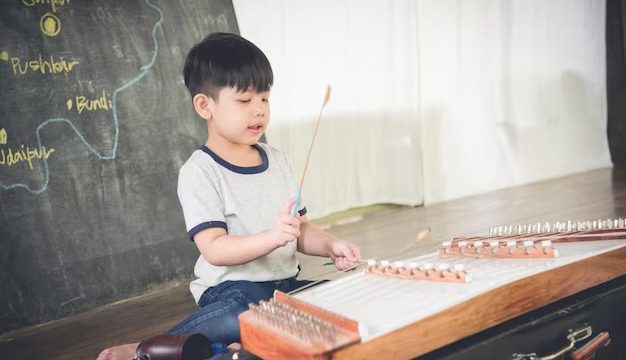
Engaging children in social studies can be a delightful journey into the past, present, and future.
In a world that often feels fast-paced and overwhelming, these activities can serve as a gentle reminder of the rich tapestry of cultures, histories, and communities that shape our lives.
By weaving fun and educational experiences into the fabric of learning, we can spark curiosity and foster a deeper understanding of the world around us.
One of the most effective ways to engage kids in social studies is through storytelling. Stories have the power to transport us to different times and places, allowing us to experience life through the eyes of others. Encourage children to explore their own family histories, interviewing relatives about their experiences and traditions. This not only strengthens family bonds but also provides a personal connection to the broader themes of migration, culture, and history. Children can create a family tree or a scrapbook, illustrating their findings and sharing them with peers. This activity fosters a sense of belonging and helps them appreciate the diverse backgrounds that contribute to their own identity.
A small shift toward balance can also be found in the world of geography. Instead of simply memorizing maps and capitals, turn geography lessons into interactive adventures. Set up a scavenger hunt where children must find items or complete tasks related to different countries. For instance, they could cook a simple dish from a chosen culture, learn a few phrases in a different language, or create a craft that reflects the traditions of that place. This hands-on approach not only makes learning enjoyable but also instills a sense of respect and appreciation for global diversity.
Art and creativity are wonderful companions to social studies. Encourage children to express what they learn through various artistic mediums. They might create posters that depict historical events or cultural symbols, or even stage a small play that brings a historical figure or event to life. These creative endeavors allow children to process information in a way that resonates with them personally. Moreover, the act of creating something tangible can enhance memory retention and make lessons more meaningful.
Exploring current events is another engaging avenue for children to connect with social studies. In a world overflowing with information, it’s important to guide young minds in understanding the news. Create a “news corner” at home or in the classroom where children can bring in articles or stories that interest them. Encourage discussions about these events, fostering critical thinking and empathy as they explore different perspectives. This practice helps children become informed citizens, aware of the world’s complexities while also understanding the importance of their own voice in shaping the future.
Field trips can also serve as a powerful tool in social studies education. Visiting museums, historical landmarks, or cultural festivals can provide children with firsthand experiences that textbooks cannot replicate. These outings can spark their imagination and curiosity, allowing them to see history and culture in a new light. To enhance the experience, consider giving children a small journal to document their thoughts, sketches, or reflections during the trip. This can serve as a keepsake that reinforces their learning long after the visit.
Integrating technology into social studies can further captivate young learners. There are countless resources available that allow children to explore different cultures and histories through virtual tours, documentaries, and interactive games. These tools can make learning more dynamic and accessible, allowing children to engage with content in a way that aligns with their interests. Encourage them to share their findings with family or friends, fostering a sense of community and discussion around the topics they explore.
Another gentle approach to engaging kids in social studies is through community service. Helping others in their community can provide children with a real-world understanding of social issues and the importance of civic responsibility. Whether it’s volunteering at a local food bank, participating in a community clean-up, or helping organize a charity event, these experiences can deepen their understanding of the challenges faced by different groups and the importance of empathy and action. Discussing these experiences afterward can help solidify the lessons learned and inspire further engagement.
As children grow and develop, their understanding of social studies will evolve. Encouraging them to ask questions and seek answers can foster a lifelong love of learning. Create a space where curiosity is celebrated, and exploring new ideas is welcomed. This can be as simple as having open conversations around the dinner table or providing a variety of books and resources that reflect diverse perspectives. When children feel empowered to explore and question, they are more likely to develop a genuine interest in the world around them.
Incorporating social studies activities into everyday life doesn’t have to be a chore. It can be a joyful and enriching experience that brings families and communities closer together. By embracing creativity, storytelling, and real-world experiences, we can nurture a generation that is not only knowledgeable about history and culture but also compassionate and engaged in their communities.
Ultimately, the goal of social studies education is to help children understand their place in the world and the impact they can have on it. Through engaging activities and thoughtful discussions, we can guide them on a path of discovery that enriches their lives and the lives of those around them. As we share stories, explore cultures, and engage with our communities, we inspire a sense of belonging and responsibility that will serve them well throughout their lives.