In an age where technology permeates every aspect of our lives, education is not left behind.
The rise of digital classrooms has ushered in a transformative approach to learning, particularly through project-based learning (PBL).
This method emphasizes the importance of hands-on experience, collaboration, and critical thinking, fostering an environment where students can thrive.
As we explore the harmonious blend of digital classrooms and project-based learning, we discover how this approach nurtures creativity and equips students with essential life skills.
Project-based learning is much more than a teaching method; it’s a philosophy that encourages students to engage deeply with their education. Rather than passively absorbing information, learners become active participants in their educational journey. They explore real-world problems, devise solutions, and collaborate with peers to bring their projects to fruition. This engagement not only makes learning more enjoyable but also instills a sense of ownership and responsibility in students.
The digital classroom serves as a canvas for this innovative approach. With tools like video conferencing, collaborative platforms, and educational software, teachers and students can connect and create in ways that transcend traditional classroom walls. Imagine a group of students working on a community project to address local environmental issues. They can research, share ideas, and present their findings using digital tools that enhance their learning experience. This sense of community and collaboration, even in a virtual space, enriches the educational process.
A small shift toward balance can be found in how digital classrooms allow for personalized learning experiences. In a traditional setting, one-size-fits-all teaching often leaves some students feeling disengaged. However, the flexibility of digital classrooms enables educators to cater to individual learning styles and paces. Through project-based learning, students can choose projects that resonate with their interests, making the learning experience more meaningful. This personalization fosters a deeper connection to the material and encourages students to take initiative in their education.
Moreover, the integration of technology in project-based learning cultivates digital literacy, a vital skill in today’s world. As students navigate various digital tools, they learn to communicate effectively, collaborate with others, and critically analyze information. These skills are not merely academic; they are essential for success in the modern workforce. By engaging with technology in a meaningful way, students become adept at utilizing digital resources, preparing them for future challenges.
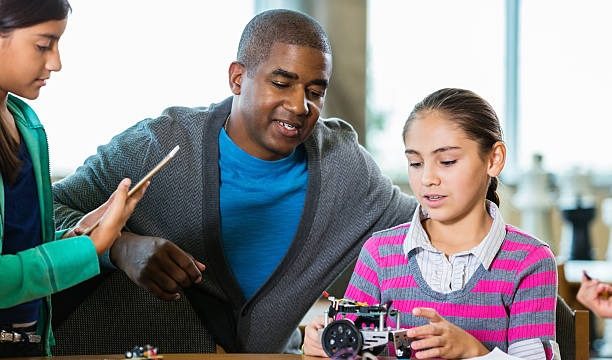
The role of the teacher in a digital classroom is also evolving. Educators are no longer just dispensers of knowledge; they become facilitators of learning. In project-based environments, teachers guide students as they explore ideas, ask questions, and seek solutions. This mentorship fosters a supportive atmosphere where students feel comfortable taking risks and expressing their creativity. The relationship between teacher and student transforms into a partnership, enhancing the overall learning experience.
As we explore the benefits of digital classrooms for project-based learning, it’s important to acknowledge the challenges that may arise. Access to technology remains a concern for many students, particularly in underserved communities. Ensuring equitable access is crucial for the successful implementation of this educational approach. Schools, educators, and policymakers must work together to bridge the digital divide, providing all students with the tools they need to succeed.
Additionally, while technology can enhance learning, it is essential to strike a balance. Too much screen time can lead to fatigue and disengagement. Educators must be mindful of how digital tools are integrated into their lessons, ensuring that technology serves as a supplement to, rather than a replacement for, meaningful interactions and hands-on experiences. By carefully curating the use of technology, teachers can create a harmonious learning environment that fosters both innovation and connection.
Looking toward the future, the potential for digital classrooms and project-based learning is vast. As educational technology continues to evolve, so too will the opportunities for students to explore, create, and collaborate. Virtual and augmented reality, artificial intelligence, and other emerging technologies hold the promise of transforming project-based learning into even more immersive and engaging experiences. Imagine students conducting virtual experiments in a science lab or collaborating with peers from around the world on a global project. The possibilities are truly exciting.
Ultimately, the marriage of digital classrooms and project-based learning offers a refreshing approach to education that aligns with the needs of today’s students. By fostering creativity, collaboration, and critical thinking, this method prepares young learners for the complexities of the modern world. As we navigate this evolving educational landscape, it is essential to embrace the potential of technology while remaining grounded in the values of connection and community.
In conclusion, digital classrooms for project-based learning are not just a trend; they represent a shift toward a more holistic and engaging educational experience. By prioritizing hands-on learning, personalized experiences, and collaboration, we empower students to take charge of their education and develop essential life skills. As we continue to explore and innovate in this space, let’s remember the importance of nurturing creativity and connection in our classrooms, ensuring that every student can thrive in their unique learning journey.