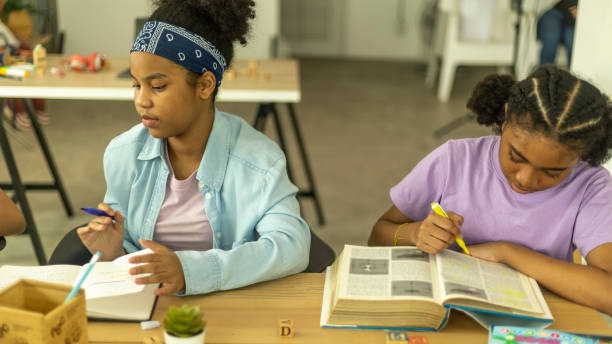
Storytelling for engaging reading and writing lessons
In a world overflowing with information, the art of storytelling remains a timeless tool for capturing hearts and minds.
It is a bridge that connects us, a way to share experiences, emotions, and lessons learned.
In the realm of education, particularly in reading and writing lessons, storytelling can transform a mundane task into an enchanting journey.
By weaving narratives into the fabric of learning, we can create an environment that not only fosters comprehension but also sparks creativity and engagement.
The magic of storytelling lies in its ability to resonate with our innate human nature. From the moment we are born, we are surrounded by stories—tales told by our parents, fables shared by our grandparents, and the myriad of books that line our shelves. These narratives shape our understanding of the world and ourselves. When we incorporate storytelling into reading and writing lessons, we tap into this rich tradition, allowing students to see the beauty and relevance of language in their lives.
One of the most effective ways to introduce storytelling in the classroom is through personal narratives. Encouraging students to share their own stories not only builds confidence but also fosters a sense of community. When learners express their thoughts and experiences, they find their unique voices, which is a crucial aspect of effective writing. This practice not only enhances their writing skills but also deepens their understanding of narrative structure and character development.
As students share their stories, they become active participants in their learning journey. This engagement can be further amplified by integrating storytelling techniques into reading lessons. For instance, when exploring a new text, teachers can invite students to predict what might happen next in the story. This practice not only enhances comprehension but also encourages critical thinking. By envisioning different outcomes, students learn to analyze characters’ motivations and the consequences of their actions, enriching their understanding of the narrative.
Incorporating storytelling into reading and writing lessons can also be a delightful way to introduce various genres. Exploring folklore, myths, and fairy tales can open doors to discussions about cultural diversity and the universal themes that connect us all. As students delve into these stories, they can explore the different styles and techniques employed by authors, gaining a deeper appreciation for the craft of writing.
A gentle shift toward collaborative storytelling can further enhance the experience. In small groups, students can co-create stories, building on each other’s ideas. This collaborative process encourages teamwork and communication, essential skills in both writing and life. As they negotiate plot points, develop characters, and weave their narratives, students learn the value of different perspectives and the importance of listening.
To make storytelling even more engaging, consider incorporating visual aids. Illustrations, photographs, or even multimedia presentations can breathe life into stories, making them more relatable and inspiring. When students visualize the narrative, they are more likely to connect with the material on a deeper level. This connection can lead to richer discussions and more insightful writing, as students draw inspiration from the visuals that accompany their stories.
As we explore the world of storytelling, it’s essential to remember the power of empathy. Stories are not just about words on a page; they are about feelings, experiences, and the human condition. When students read about characters facing challenges or triumphs, they can develop empathy and understanding for others. This emotional connection can be a powerful motivator in their writing, as they learn to express their own feelings and perspectives through the art of storytelling.
In addition to fostering emotional connections, storytelling can also enhance vocabulary and language skills. When students are immersed in narratives, they encounter new words and phrases in context, which aids in retention and understanding. Encouraging them to experiment with language in their own writing can lead to more vivid and imaginative expressions. This exploration of language not only enriches their writing but also instills a love for words that can last a lifetime.
As educators, it is crucial to create a safe space for storytelling. Students should feel free to express themselves without fear of judgment. This nurturing environment allows them to take risks in their writing, explore different styles, and share their authentic selves. By celebrating their stories, we validate their experiences and encourage them to continue sharing their voices.
The beauty of storytelling is that it transcends age and background. Whether teaching young children or adult learners, the principles of storytelling remain the same. Everyone has a story to tell, and each narrative holds the potential to inspire and connect. As we embrace storytelling in reading and writing lessons, we cultivate a love for literature and a passion for expression that can shape lives.
In conclusion, storytelling is a powerful tool in the realm of education, particularly within reading and writing lessons. By integrating personal narratives, collaborative storytelling, and visual aids, we can create an enriching environment that fosters engagement, creativity, and empathy. As we encourage students to share their stories and explore the stories of others, we not only enhance their language skills but also nurture their understanding of the human experience. So let us embrace the art of storytelling, weaving it into the tapestry of learning, and watch as our students flourish in their ability to read, write, and connect with the world around them.