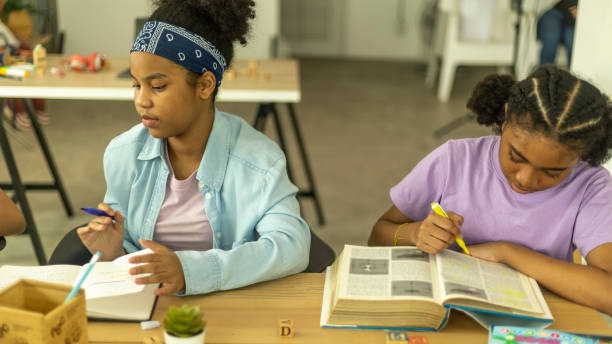
In the heart of every classroom lies a treasure trove of potential, waiting to be unlocked.
The journey of education is not merely about absorbing facts and figures; it is about nurturing the mind to think creatively and solve problems effectively.
One powerful tool that can facilitate this process is storytelling.
The art of weaving narratives can inspire students to approach challenges with curiosity and resilience, transforming obstacles into opportunities for growth.
The magic of storytelling lies in its ability to connect. When students hear a well-crafted story, they can see themselves reflected in the characters and situations. This connection is vital for fostering empathy and understanding. Imagine a student grappling with a difficult math problem. When introduced to a story where a character faces a similar challenge, they may find themselves more inclined to explore solutions. The narrative not only engages their imagination but also provides a framework for thinking critically about the problem at hand.
Stories can also introduce students to diverse perspectives. In a world that is increasingly interconnected, understanding different viewpoints is essential. Through storytelling, students can travel to different cultures, eras, and experiences, broadening their horizons. For instance, a tale about a young inventor from a distant land can inspire students to think innovatively and approach problems from unconventional angles. By immersing themselves in these narratives, students learn that there is often more than one way to tackle a challenge.
Another beautiful aspect of storytelling is its power to evoke emotions. Emotions play a significant role in how we process information and tackle problems. When students are emotionally invested in a story, they are more likely to remember the lessons it imparts. A character who triumphs over adversity can inspire resilience, while a tale of failure can teach the importance of perseverance. This emotional connection fosters a safe environment for students to explore their own feelings about challenges, making them more open to problem-solving.
Incorporating storytelling into problem-solving activities can also spark creativity. When students are encouraged to create their own narratives around a problem, they engage in a form of imaginative play. This process allows them to brainstorm solutions without the constraints of traditional thinking. For example, a science project could be framed as a quest to save a fictional planet, prompting students to consider innovative ways to address environmental issues. By embedding problem-solving within a story, students are more likely to approach it with enthusiasm and a sense of adventure.
A small shift toward balance can also be achieved by allowing students to share their own stories. Encouraging them to narrate personal experiences related to problem-solving can foster a sense of community within the classroom. When students hear their peers’ stories, they realize they are not alone in facing challenges. This shared vulnerability can create a supportive atmosphere where students feel comfortable discussing their struggles. It also cultivates a culture of collaboration, as students may be inspired to work together to solve problems, drawing on each other’s experiences.
Furthermore, storytelling can serve as a bridge between theoretical knowledge and real-world application. When students learn through stories that illustrate concepts, they can better grasp how these ideas manifest in everyday life. For instance, a story about a young entrepreneur facing setbacks can provide valuable insights into business principles while simultaneously inspiring students to think critically about their own aspirations. This connection between theory and practice makes learning more meaningful, motivating students to engage deeply with the material.
Encouraging reflection through storytelling also empowers students to take ownership of their learning journey. After engaging with a narrative, students can be prompted to reflect on their thoughts and feelings about the story. This reflective practice encourages them to analyze how the characters’ decisions relate to their own problem-solving strategies. It cultivates a mindset of growth, as students learn to view challenges as opportunities for self-discovery and improvement.
In the digital age, storytelling has evolved to encompass various mediums, from traditional books to podcasts and interactive videos. Educators can harness these tools to create a dynamic learning environment. Incorporating technology into storytelling not only captivates students’ attention but also allows for diverse forms of expression. Whether through animated videos or collaborative storytelling platforms, students can engage with narratives that resonate with them on multiple levels.
As we explore the potential of storytelling in fostering problem-solving skills, it is essential to recognize the role of the educator in this process. Teachers can curate stories that align with their students’ interests and challenges, creating a rich tapestry of learning experiences. By modeling storytelling techniques and encouraging students to craft their own narratives, educators can guide them in developing critical thinking and creativity.
Ultimately, storytelling is more than just a teaching tool; it is a way to inspire students to believe in their abilities to navigate challenges. In a world filled with uncertainties, the capacity to think critically and solve problems is invaluable. By embracing storytelling as a means of learning, we can empower the next generation to approach life’s challenges with courage, creativity, and an unwavering sense of hope.
As we embrace this narrative approach, let us remember that every story has the potential to inspire change. By weaving tales that resonate with students, we can ignite their imaginations and help them unlock their problem-solving potential. In doing so, we not only enrich their educational experience but also equip them with the tools they need to thrive in an ever-evolving world. The stories we share today can pave the way for the innovative thinkers and compassionate leaders of tomorrow.