In a world filled with endless information, the power of storytelling has never been more important.
It’s a universal language that transcends barriers, evokes emotions, and fosters connections.
When it comes to education, weaving narratives into lessons can transform a simple exchange of facts into a rich tapestry of understanding.
Storytelling not only makes lessons more relatable, but it also helps students engage with the material on a deeper level.
The beauty of storytelling lies in its ability to simplify complex ideas. Imagine a history lesson that goes beyond dates and events, inviting students into the lives of individuals who lived through those times. By sharing the personal journey of a historical figure, educators can breathe life into the past. Suddenly, students are not just memorizing information; they are experiencing history through the eyes of someone who faced challenges, made choices, and ultimately shaped the world.
When lessons are enriched with stories, they become more than just educational moments. They transform into shared experiences that resonate with students. Consider a science lesson about ecosystems. Instead of presenting dry facts about food chains, a teacher might share a story about a young girl who discovers a hidden pond in her backyard. This girl’s adventures exploring the pond, observing the creatures that inhabit it, and learning about their interdependence can create a vivid picture in students’ minds. This narrative not only captivates but also makes the concept of ecosystems relatable and memorable.
Incorporating storytelling into lessons fosters empathy and understanding. When students hear stories from diverse perspectives, they begin to appreciate the world around them in a more nuanced way. For instance, a literature lesson exploring themes of resilience could feature stories from various cultures, highlighting how individuals overcome adversity. By stepping into another’s shoes, students cultivate compassion and a broader worldview.
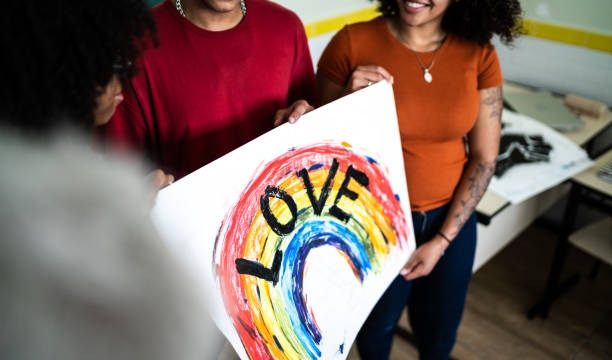
A small shift toward balance can be achieved through storytelling. Educators can create a more inclusive environment by sharing stories that reflect the backgrounds and experiences of all students. When learners see themselves represented in the narratives, they feel valued and understood. This connection can spark enthusiasm and inspire students to share their own stories, enriching the classroom experience for everyone.
As we explore the impact of storytelling in education, it’s important to remember that the narrative doesn’t always have to be grand or elaborate. Sometimes, the simplest stories can leave the most profound effects. An anecdote about a personal struggle or a moment of triumph can create a powerful bond between teacher and student. This vulnerability fosters trust, making students more receptive to the lessons being taught.
In the realm of mathematics, storytelling can also play a pivotal role. Imagine a teacher introducing a lesson on fractions through the story of a family preparing for a picnic. The challenges of dividing a pizza among friends or measuring ingredients for a recipe can illustrate the practical applications of fractions in everyday life. By framing mathematics within a relatable context, students are more likely to engage with the material and understand its relevance.
The integration of storytelling into lessons doesn’t require an overhaul of the curriculum. It can be as simple as sharing a personal anecdote or weaving narratives into existing lesson plans. Educators can encourage students to create their own stories related to the subject matter, allowing them to take ownership of their learning. This collaborative approach not only enhances understanding but also nurtures creativity and critical thinking skills.
Moreover, storytelling can serve as a powerful tool for assessment. Rather than relying solely on traditional tests, educators can ask students to share their learning through a narrative. This method allows students to express their understanding in a way that feels more authentic and less intimidating. It also provides educators with insights into student comprehension, highlighting areas that may need further exploration.
As we embrace the art of storytelling in education, it’s essential to remain mindful of the diverse experiences and backgrounds of students. Stories should be inclusive and respectful, reflecting the rich tapestry of human experience. By doing so, educators can create a safe space for dialogue and exploration, where every student feels empowered to share their voice.
In our fast-paced world, where technology often dominates, storytelling offers a gentle reminder of the human experience. It allows us to pause, reflect, and connect with one another. In the classroom, this connection can transform learning into a journey rather than a destination.
Ultimately, storytelling enriches the educational experience, creating a sense of community and belonging. When students see themselves in the stories being told, they become more engaged and invested in their learning. This connection not only enhances comprehension but also fosters a lifelong love for learning.
As we continue to navigate the ever-evolving landscape of education, let us remember the power of a well-told story. By infusing lessons with narratives that resonate, we can create a more relatable and enriching experience for students. In doing so, we are not just imparting knowledge; we are nurturing the next generation of thinkers, dreamers, and storytellers.
In a world that often feels disconnected, storytelling serves as a bridge, bringing us together through shared experiences and emotions. It reminds us that, at the heart of education, we are all part of a larger story—one that is constantly unfolding, waiting to be told.