Language is a beautiful tapestry woven from letters, sounds, and meanings.
For young learners, mastering spelling can sometimes feel like an uphill climb.
However, incorporating play into the learning process can transform this challenge into a delightful adventure.
By using creative and engaging spelling activities, we can foster not only a love for words but also a sense of joy and curiosity.
A gentle approach to learning
When we think of spelling, we often envision worksheets filled with repetitive exercises. While these can have their place, they might not always ignite the spark of enthusiasm in young minds. Instead, consider integrating playful activities that encourage exploration and creativity. This not only makes learning enjoyable but also helps children develop a deeper understanding of language.
One wonderful way to infuse play into spelling is through storytelling. Encourage children to create their own stories, weaving in their spelling words. This could be a simple tale about a favorite character or an imaginative journey to a far-off land. As they craft their narratives, they’ll naturally engage with the spelling of words, and the context will help reinforce their understanding. The joy of storytelling can make even the trickiest words feel more approachable.
Exploring the world around us
Nature can also serve as an incredible backdrop for spelling activities. A nature walk can become an adventure in word discovery. As children explore their surroundings, they can collect items like leaves, stones, or flowers. Upon returning home, they can create a “nature alphabet” by associating each item with a letter or a spelling word. For example, a leaf could represent the letter ‘L’, while a smooth stone might stand for ‘S’. This tactile experience not only enhances their spelling skills but also fosters a connection with the environment.
Another playful approach is to turn the home into a spelling playground. You might create a “spelling scavenger hunt,” where children search for objects around the house that start with specific letters or spell out certain words. This activity encourages movement, exploration, and a sense of achievement when they find each item. It’s a delightful way to combine learning with physical activity, making it an enriching experience for both body and mind.
Incorporating art into spelling
Artistic expression can also play a vital role in spelling activities. Consider setting up a craft session where children can create colorful banners or posters featuring their spelling words. Using different materials like paint, glitter, or fabric can transform the process into a fun and engaging project. As they craft, they will repeatedly engage with the words, reinforcing their spelling in a memorable way. Plus, they’ll have a lovely piece of art to display, adding a personal touch to their learning journey.
Using music and rhythm can also enhance spelling skills. Encourage children to create songs or rhymes using their spelling words. The rhythm and melody can make the words more memorable, and the process of creating music can be a joyful experience. Singing together not only strengthens bonds but also makes learning feel like a celebration.
The magic of games
Games have always been a beloved tool in the educational realm, and spelling is no exception. Consider introducing board games or card games that incorporate spelling challenges. Games like Scrabble or Boggle can be not only entertaining but also educational, allowing children to engage with words in a fun and competitive way. The thrill of gameplay adds an element of excitement to the learning process, making it feel less like work and more like play.
Another option is to create your own spelling games at home. You might design a spelling bee challenge with family members, where everyone takes turns spelling words aloud. Or you can create a word relay race, where participants must run to a designated spot to write down a spelling word before racing back. These activities promote teamwork and friendly competition, fostering a love for learning in a supportive environment.
Encouraging collaboration
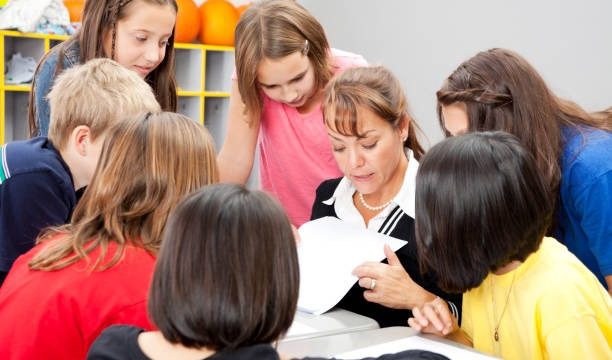
Collaboration can also enhance the spelling experience. Organizing group activities, such as a spelling circle, where children take turns sharing their words and creating sentences together, can be a wonderful way to build community. This not only helps with spelling but also enhances their verbal skills and confidence. As they listen to one another and engage in discussions, they will learn from each other, making the experience richer and more enjoyable.
As children develop their spelling skills, it’s essential to celebrate their progress. Acknowledging milestones, no matter how small, can boost their confidence and motivate them to continue learning. Consider creating a “spelling wall” at home, where they can display their achievements. Each new word they master can be added to the wall, serving as a constant reminder of their growth and accomplishments.
A holistic approach to learning
Ultimately, the goal of these playful spelling activities is to create a love for language that lasts a lifetime. By integrating play into the learning process, we can nurture a positive attitude toward spelling and literacy as a whole. The key is to approach learning with a sense of curiosity and joy, allowing children to explore the world of words at their own pace.
In a world where education often feels structured and rigid, embracing play as a learning tool can provide a refreshing perspective. It encourages creativity, fosters connection, and creates lasting memories. So, whether it’s through storytelling, nature exploration, artistic expression, or games, let’s embrace the magic of play in our spelling adventures. After all, the journey of learning should be as enjoyable as the destination.