In a world where technology often dominates our interactions, finding ways to connect on a deeper level becomes essential, especially in the classroom.
One of the most effective tools for fostering a sense of belonging and community is storytelling.
By weaving narratives into the fabric of daily learning, teachers can create an environment where students feel valued, understood, and engaged.
The power of storytelling lies in its ability to transcend cultural boundaries and touch the hearts of individuals. When students share their stories, they reveal their unique perspectives and experiences, allowing classmates to see the world through a different lens. This exchange of narratives not only enriches the classroom experience but also cultivates empathy and understanding among peers.
Creating a welcoming atmosphere begins with the teacher. By sharing personal stories—perhaps a favorite childhood memory or a lesson learned from a challenging situation—educators set the tone for vulnerability and openness. This simple act encourages students to share their own stories, fostering a sense of safety and trust within the classroom. When students feel comfortable expressing themselves, they are more likely to engage in discussions, collaborate on projects, and support one another in their learning journeys.
As stories unfold in the classroom, they can serve as powerful teaching tools. Literature, for instance, offers a treasure trove of narratives that can spark discussions about character development, moral dilemmas, and cultural contexts. Teachers can use these stories to draw parallels to students’ lives, encouraging them to reflect on their values and beliefs. This connection between literature and personal experience deepens comprehension and makes learning more relevant and meaningful.
Incorporating storytelling into various subjects can also enhance creativity and critical thinking. Students can be invited to create their own narratives related to the curriculum. Whether it’s a historical event, a scientific concept, or a mathematical principle, crafting a story around these topics allows students to engage with the material in a playful and imaginative way. This approach not only solidifies their understanding but also nurtures their creativity, as they explore different ways to express their ideas.
A small shift toward balance can also be achieved through collaborative storytelling. Group projects that involve creating a shared narrative can be a delightful way to build community. Students can work together to develop characters, plotlines, and settings, allowing them to learn from one another and appreciate diverse viewpoints. This collaborative effort fosters teamwork and communication skills, essential components of a supportive classroom environment.
Moreover, storytelling can be a bridge to discussions about social issues and current events. By sharing stories that reflect the challenges faced by individuals or communities, teachers can guide students in understanding complex topics such as diversity, equity, and inclusion. This not only informs their worldview but also empowers them to become empathetic and socially responsible individuals.
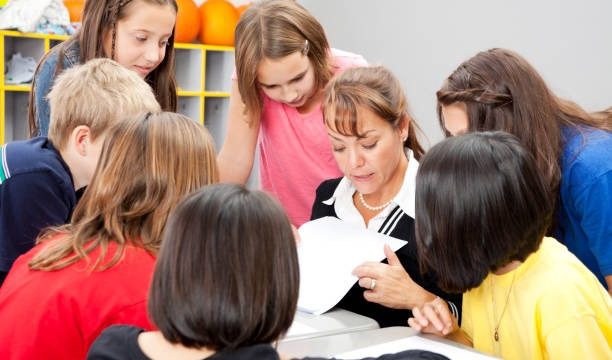
Creating a culture of storytelling also means valuing the art of listening. Teaching students to listen attentively to their peers’ stories is just as important as encouraging them to share their own. Active listening promotes respect and understanding, reinforcing the notion that every voice matters. Simple practices, such as circle time or sharing circles, can create spaces where students can listen and reflect on the stories shared, further strengthening their connections with one another.
As the classroom community grows, it’s important to celebrate the stories that emerge. Acknowledging students’ narratives can be as simple as creating a “Story of the Week” bulletin board or hosting a storytelling event where students can present their tales to the class. These celebrations not only validate students’ experiences but also inspire others to share their own stories, creating a ripple effect of connection and community.
In addition to fostering relationships among students, storytelling can also enhance the bond between teacher and student. When teachers share their own challenges and triumphs, they humanize the educational experience, making it clear that learning is a journey filled with ups and downs. This transparency encourages students to approach their own struggles with resilience and hope, knowing they are not alone.
As educators embrace storytelling in their classrooms, it’s essential to remain mindful of the diverse backgrounds and experiences of students. Every story is unique, and sensitivity to cultural differences can enrich the storytelling experience. Encouraging students to share their cultural narratives not only validates their identities but also promotes a richer understanding of the world around them.
The journey of building a classroom community through storytelling is ongoing. It requires patience, openness, and a commitment to fostering a safe space for sharing. However, the rewards are immense. As students learn to share their stories and listen to others, they cultivate empathy, respect, and a sense of belonging.
In conclusion, storytelling is a powerful tool for building community in the classroom. By creating spaces where students feel comfortable sharing their narratives, educators can foster connections that transcend the walls of the classroom. As stories are exchanged and relationships are built, the classroom transforms into a vibrant community where every voice is valued. In this nurturing environment, students not only thrive academically but also grow as compassionate individuals ready to embrace the world beyond their classroom doors.