In our increasingly interconnected world, social skills play a vital role in how we navigate relationships and group settings.
Whether it’s a family gathering, a community event, or a workplace team, the ability to communicate effectively and engage with others can significantly enhance our experiences.
Supporting social skills in group settings is not merely about improving interactions; it’s about fostering a sense of belonging and understanding among individuals.
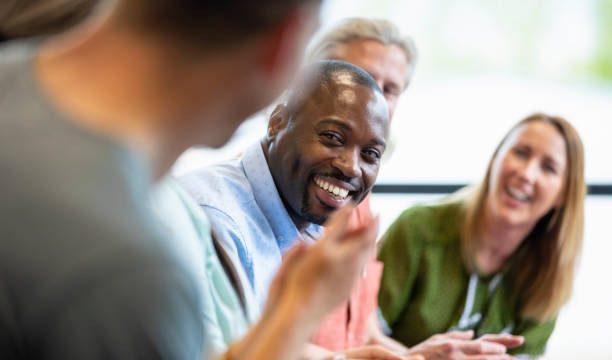
Creating a warm environment is essential for nurturing these skills. When people feel safe and welcomed, they are more likely to open up and express themselves. This begins with simple gestures—greeting people with a smile, making eye contact, and showing genuine interest in what others have to say. These small actions can help break the ice and set a positive tone for interactions.
A gentle approach to conversation can also pave the way for deeper connections. Encouraging open dialogue allows individuals to share their thoughts and feelings without fear of judgment. When we listen actively and respond thoughtfully, we validate others’ experiences and create a space for mutual respect. This is especially important in group settings, where diverse opinions and personalities come together.
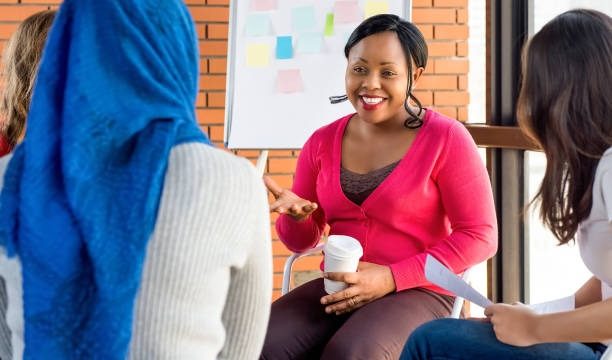
In group environments, it can be helpful to establish some ground rules that promote respectful communication. These might include guidelines for taking turns speaking, being mindful of others’ feelings, and encouraging everyone to participate. By fostering an atmosphere of respect and collaboration, we can help individuals feel valued and empowered to contribute.
A small shift toward balance can make a significant difference in group dynamics. Recognizing that each person brings unique strengths and perspectives can help us appreciate the richness of diversity. Encouraging individuals to share their talents, whether it’s storytelling, humor, or problem-solving, can enhance group cohesion. Celebrating these differences not only builds confidence but also fosters a sense of community.
Engagement in group activities can also be a wonderful way to support social skills. Activities that require teamwork, such as collaborative projects or group games, can encourage individuals to communicate and cooperate. These experiences allow participants to practice essential skills like negotiation, conflict resolution, and empathy. The shared experience of working towards a common goal can create lasting bonds and memories.
It’s important to remember that not everyone has the same comfort level when it comes to social interactions. Some individuals may feel anxious in group settings, while others may be more outgoing. Being sensitive to these differences can help create a more inclusive environment. Offering quieter individuals opportunities to contribute in less intimidating ways, such as through written feedback or smaller group discussions, can help them build their confidence in social settings.
Another key aspect of supporting social skills is modeling positive behavior. As leaders or facilitators in group settings, we have the opportunity to demonstrate how to engage with others effectively. This might include showing how to ask open-ended questions, express appreciation, or resolve disagreements amicably. By embodying these behaviors, we can inspire others to follow suit.
Encouraging reflection can also be a valuable tool in developing social skills. After group interactions, taking a moment to discuss what went well and what could be improved can help individuals learn and grow from their experiences. This practice not only reinforces positive behaviors but also helps individuals become more self-aware, which is crucial for effective social interactions.
Creating opportunities for informal social interactions can also enhance group cohesion. Casual gatherings, such as coffee breaks or team lunches, provide a relaxed setting for individuals to connect on a personal level. These moments can help break down barriers and foster friendships that extend beyond formal group activities. When people feel comfortable with one another, they are more likely to communicate openly and supportively.
Incorporating elements of play can further enrich group interactions. Light-hearted activities, games, or even icebreakers can ease tension and encourage laughter. When we allow ourselves to have fun together, we not only strengthen relationships but also create a positive atmosphere that supports social skill development.
As we navigate the complexities of group dynamics, it’s essential to recognize that developing social skills is a journey, not a destination. Each interaction provides an opportunity for growth and learning. By fostering an environment that values communication, respect, and inclusivity, we can support individuals in building their social skills and confidence.
Ultimately, supporting social skills in group settings is about creating connections. When individuals feel understood and valued, they are more likely to engage wholeheartedly. By nurturing these skills, we contribute to building a more empathetic and connected community. So, whether you’re attending a casual gathering or leading a team project, remember that every interaction is an opportunity to strengthen the bonds that unite us all.