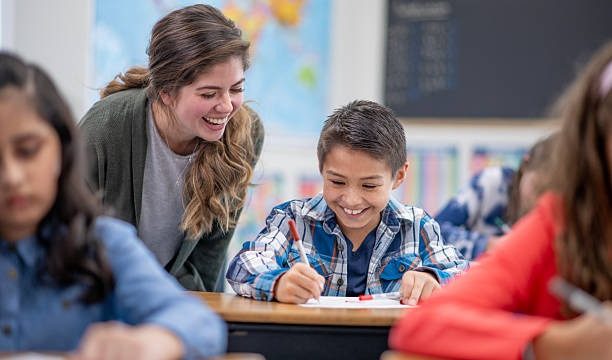
In the ever-evolving landscape of education, the role of school psychology is becoming increasingly vital.
As classrooms become melting pots of diverse backgrounds, learning styles, and emotional needs, the quest for harmony within these spaces grows ever more important.
School psychologists are at the forefront of this endeavor, working quietly yet effectively to foster an environment where students can thrive academically, socially, and emotionally.
A gentle touch of understanding
At the heart of school psychology is a deep understanding of human behavior and the myriad factors that influence it. School psychologists are trained to recognize that each student brings their own unique story to the classroom. This awareness allows them to address not only academic challenges but also emotional and social hurdles that might hinder a child’s ability to learn and interact with peers.
Creating a harmonious classroom environment often starts with identifying the underlying issues that may affect a student’s behavior. Whether it’s anxiety, family dynamics, or social struggles, school psychologists work to create strategies that can help students navigate their challenges. Through individual counseling sessions, group therapy, and classroom interventions, they aim to build resilience and coping skills, thus contributing to a more harmonious atmosphere.
Cultivating connections
One of the most beautiful aspects of school psychology is its emphasis on connection. School psychologists frequently engage with teachers, parents, and other support staff to create a cohesive network of care around each student. This collaborative approach ensures that everyone involved in a child’s education is on the same page, fostering a sense of community and shared responsibility.
When teachers are equipped with strategies to better understand their students’ emotional and psychological needs, they can create lesson plans and classroom activities that resonate on a deeper level. This not only enhances academic engagement but also cultivates connections among students. When children feel understood and valued, they are more likely to extend that kindness and understanding to their peers, promoting a culture of empathy and respect.
A small shift toward balance
In many cases, the presence of a school psychologist can lead to a small yet significant shift in classroom dynamics. By introducing mindfulness practices, social-emotional learning, and conflict resolution techniques, school psychologists help students develop the skills they need to manage their emotions and relationships. These practices encourage self-awareness and empathy, which are essential for creating a peaceful classroom environment.
Imagine a classroom where students are taught to recognize their feelings and articulate them in a constructive way. Rather than resorting to disruptive behavior or conflict, students learn to express their emotions through dialogue and understanding. This shift not only benefits the individual student but also contributes to a more serene atmosphere for everyone.
Nurturing a positive school climate
School psychologists play a crucial role in promoting a positive school climate. They often lead initiatives aimed at fostering inclusivity, respect, and kindness among students. By organizing workshops, peer mentoring programs, and community-building activities, they help create an environment where every student feels valued and accepted.
These initiatives can take many forms, from anti-bullying campaigns to diversity celebrations. The goal is to ensure that every student feels safe and supported, which in turn creates a more harmonious classroom environment. When students are comfortable being themselves, they are more likely to engage with their peers and participate in classroom activities, enhancing the overall learning experience.
The ripple effect of support
The impact of school psychology extends beyond the individual student. When a school psychologist is actively involved in a classroom, the benefits can ripple outward, affecting the entire school community. Teachers who feel supported and equipped to handle diverse student needs are more likely to experience job satisfaction and lower stress levels. This positive energy can translate into more engaging and effective teaching, which ultimately benefits students.
Moreover, when students witness their peers receiving support and understanding, they are more likely to develop a sense of compassion and empathy. This creates a cycle of kindness that can significantly improve classroom harmony. As students learn to support one another, they build stronger social bonds and a sense of belonging, which is essential for their emotional well-being.
The journey toward emotional intelligence
Emotional intelligence is a crucial component of a student’s overall development, and school psychologists play a pivotal role in nurturing this skill. By teaching students how to identify their emotions, understand the feelings of others, and develop healthy coping strategies, school psychologists help lay the groundwork for a more harmonious classroom environment.
As students grow in their emotional intelligence, they become better equipped to handle conflicts and challenges. They learn to approach disagreements with a mindset of understanding rather than hostility. This not only helps to diffuse potential conflicts but also fosters a culture of collaboration and teamwork within the classroom.
A brighter future through harmony
Ultimately, the work of school psychologists is about more than just improving classroom harmony; it is about laying the foundation for a brighter future. By addressing the emotional and psychological needs of students, they empower children to become resilient, empathetic individuals. The skills they acquire in the classroom will serve them well beyond their school years, equipping them to navigate life’s challenges with grace and understanding.
In an increasingly complex world, the importance of harmony in our classrooms cannot be overstated. School psychology provides the tools and support necessary to cultivate this harmony, ensuring that every student can thrive. As we continue to embrace the role of school psychologists, we move closer to creating educational environments that nurture not just academic success, but the holistic development of every child.
In this journey, we discover that harmony in the classroom is not merely an ideal; it is a vibrant reality that can be achieved through understanding, connection, and support. As we look to the future, let us cherish and champion the role of school psychology in fostering a world where every student feels valued, understood, and empowered to learn and grow.