In a world that often feels fast-paced and overwhelming, the journey of learning can sometimes seem daunting for students.
However, guided learning offers a nurturing pathway that not only helps students absorb information but also empowers them to build their own knowledge in a meaningful way.
This approach cultivates curiosity and instills a sense of ownership over one’s education, transforming the learning experience into something rich and fulfilling.
The essence of guided learning lies in its supportive structure. Rather than simply being handed information, students are gently led through the process of discovery. This journey can take many forms, from collaborative group projects to one-on-one mentoring sessions. By engaging with knowledgeable guides—be it teachers, tutors, or peers—students find themselves exploring subjects in depth, asking questions, and forming connections that enhance their understanding.
A small shift toward balance can be incredibly beneficial. In traditional learning environments, the focus often lies heavily on rote memorization and standardized testing. While these methods have their place, they can sometimes overshadow the joy of exploration. Guided learning encourages students to step back from the pressure of grades and instead focus on the process of learning itself. This shift not only alleviates stress but also allows students to engage with the material in a more profound way.
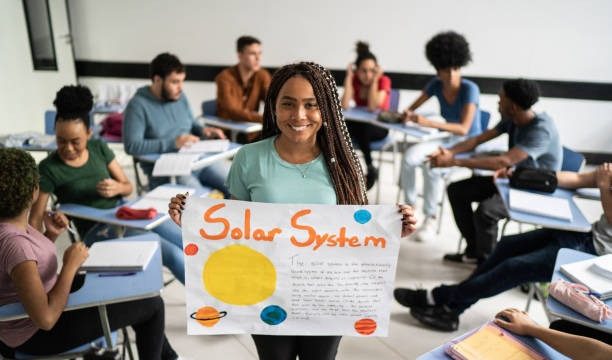
Imagine a classroom where students are encouraged to share their thoughts and ideas openly. In such an environment, the teacher acts as a facilitator, guiding discussions and helping students navigate through complex concepts. This collaborative approach fosters a sense of community and belonging, making students feel more invested in their own learning. When they realize that their insights are valued, they are more likely to take risks, ask questions, and pursue knowledge with enthusiasm.
The beauty of guided learning is that it accommodates diverse learning styles. Some students thrive in a hands-on environment, while others may prefer visual aids or auditory explanations. A skilled guide recognizes these differences and adapts the learning experience accordingly. This flexibility not only enhances comprehension but also allows students to explore subjects in ways that resonate with them personally. When students feel understood and supported, their confidence grows, paving the way for deeper engagement with the material.
Another essential aspect of guided learning is the emphasis on critical thinking. Rather than simply absorbing information, students are encouraged to analyze, evaluate, and synthesize what they learn. This fosters a mindset of inquiry, where the goal is not just to find the right answer but to understand the reasoning behind it. As students practice these skills, they become more adept at solving problems and thinking creatively, essential tools in today’s ever-changing world.
Creating a safe space for mistakes is also a hallmark of guided learning. In traditional settings, fear of failure can stifle creativity and discourage students from fully engaging. However, when students know that making mistakes is a natural part of the learning process, they are more likely to embrace challenges. Guided learning nurtures resilience by framing setbacks as opportunities for growth. This mindset shift cultivates lifelong learners who are not afraid to explore new ideas or venture outside their comfort zones.
As technology continues to evolve, the landscape of education is also changing. Guided learning is adaptable to various formats, including online platforms and virtual classrooms. This flexibility allows students to access resources and expertise from around the globe, enriching their educational experience. Whether through interactive simulations, engaging videos, or collaborative online discussions, technology can enhance guided learning, making it more accessible and dynamic than ever before.
The emotional aspect of guided learning should not be overlooked. Learning is not just an intellectual exercise; it is also a deeply personal journey. When students feel supported and understood, they are more likely to develop a love for learning that lasts a lifetime. A positive learning environment fosters emotional intelligence, helping students navigate their feelings and build relationships with their peers. This sense of connection can be a powerful motivator, encouraging students to dive deeper into their studies and pursue their passions.
As we reflect on the future of education, it is clear that guided learning holds immense potential. By prioritizing the needs of students and fostering a culture of curiosity, we can create enriching educational experiences that extend beyond the classroom. The goal is not merely to impart knowledge but to inspire a lifelong passion for learning that empowers individuals to explore, innovate, and contribute to the world around them.
In this journey, it is essential to remember that learning is not a race. Each student’s path is unique, and the pace at which they absorb information varies. Guided learning allows for this individuality to shine through, creating a more personalized educational experience. By honoring each student’s journey, we cultivate an environment where knowledge is not only built but cherished.
Ultimately, guided learning is about connection—between students and their guides, among peers, and with the material itself. It is a gentle reminder that education is a shared experience, one that thrives on collaboration, understanding, and mutual respect. As we embrace this approach, we take significant steps toward nurturing a generation of learners who are not only knowledgeable but also compassionate and curious, ready to face the challenges of tomorrow with confidence and grace.