In the heart of every thriving community lies a network of connections that strengthens bonds among its members.
Schools play a pivotal role in nurturing these ties, serving as a hub for families, educators, and students alike.
Through community events programs, schools foster relationships that extend beyond the classroom, creating an environment where everyone feels valued and involved.
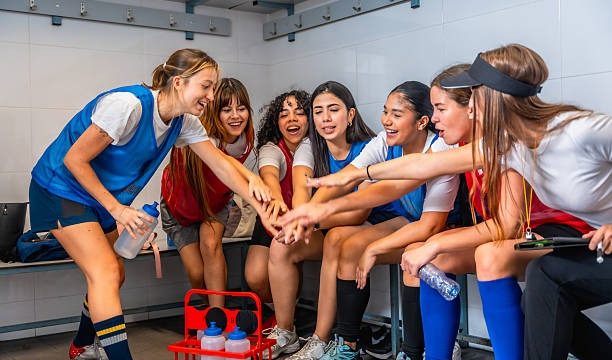
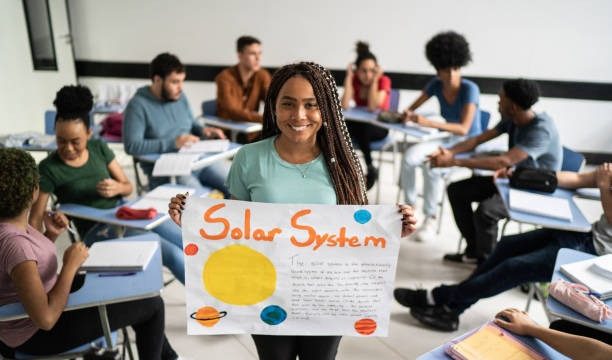
The essence of these community events often revolves around shared experiences. Whether it’s a fall festival, a science fair, or a charity run, these gatherings provide opportunities for families to come together, share stories, and forge friendships. It’s in these moments that parents can meet one another, educators can engage with families, and students can connect with peers in a relaxed, joyful setting. The laughter of children, the aroma of homemade treats, and the vibrant chatter create an atmosphere that feels like an extended family reunion, strengthening the sense of belonging.
Building bridges between families and schools is essential for fostering a supportive educational environment. When parents participate in school events, they gain insight into their children’s daily lives and the learning process. This involvement not only enhances parental engagement but also empowers families to advocate for their children’s needs. A community event can serve as a platform for discussions about educational goals, challenges, and successes. This exchange of ideas creates a partnership between parents and educators, nurturing a shared commitment to the children’s growth.
Creating a sense of community through events also promotes inclusivity. Schools often serve diverse populations, and community events can be tailored to reflect this richness. Celebrating various cultural festivals, hosting international nights, or organizing themed potlucks allows families from different backgrounds to share their traditions and customs. These experiences not only educate the broader school community but also help students appreciate the beauty of diversity. When everyone feels represented and included, it fosters a deeper sense of respect and understanding among students and their families.
Another significant aspect of community events is the opportunity for local businesses and organizations to get involved. Schools can partner with local vendors, artists, and service providers, creating a symbiotic relationship that benefits both the school and the community. Local businesses can showcase their offerings, while schools can provide a platform for these businesses to engage with families. This collaboration often leads to sponsorships or donations that can enhance school programs, creating a win-win situation. When local businesses support schools, it signals to families that the community values education and is invested in the future of its children.
The impact of community events extends beyond the immediate benefits; they often have lasting effects on students’ social skills and emotional well-being. When children participate in these activities, they learn essential life skills such as teamwork, communication, and empathy. Working together on projects or participating in group activities can help them build friendships and navigate social dynamics. These experiences contribute to a well-rounded education, preparing students for future interactions in both personal and professional contexts.
A gentle focus on wellness also emerges from community events. Schools can incorporate activities that promote physical health, such as fun runs, yoga classes, or wellness fairs. These initiatives encourage families to adopt healthier lifestyles together, fostering a culture of well-being. When schools prioritize health and wellness, they send a message that caring for one’s physical and mental health is integral to personal development. This holistic approach can have a profound impact on students, instilling habits that may last a lifetime.
The role of teachers and staff during these events cannot be overlooked. When educators step outside the traditional classroom setting and engage with families in a more informal environment, it humanizes them and fosters mutual respect. Parents often feel more comfortable approaching teachers to discuss their child’s progress or challenges, knowing they share a connection that extends beyond academic performance. This open line of communication is vital for creating a supportive learning environment where students can thrive.
As schools continue to navigate the changing landscape of education, community events will remain a cornerstone of building connections. They provide a sense of continuity and stability, especially in times of uncertainty. Families look to schools for guidance and support, and community events can serve as a reassuring reminder that they are not alone in their journey.
The joy of coming together, celebrating achievements, and sharing experiences creates a tapestry of connections that enriches the educational experience for everyone involved. Schools that prioritize community engagement through events understand that education is not just about academics; it’s about fostering a sense of belonging and nurturing relationships that extend beyond the school walls.
In conclusion, the power of community events in schools transcends mere gatherings. They are the heartbeat of a connected community, where relationships flourish and support systems grow stronger. By nurturing these connections, schools play a vital role in shaping not just educated individuals, but compassionate and engaged members of society. Through shared experiences, families, educators, and students can create a vibrant community that celebrates diversity, fosters collaboration, and ultimately enriches the lives of all its members. In this ever-changing world, such connections are more important than ever, reminding us that we are all part of a larger family united in our commitment to education and growth.