In today’s fast-paced world, confidence is an invaluable asset, especially for students navigating the diverse challenges of school life.
Educators are recognizing the importance of fostering self-assurance among their students, and one effective way they do this is through presentation programs.
These initiatives not only enhance communication skills but also contribute significantly to building confidence in young learners.
A gentle introduction to presentation programs reveals that they serve as a bridge between knowledge and expression. When students are encouraged to share their thoughts, ideas, and projects in front of their peers, they embark on a journey of personal growth. This experience can be transformative, as it allows them to step outside their comfort zones and develop a sense of ownership over their work.
Creating a nurturing environment is essential for students to flourish during presentations. Schools often design these programs with careful attention to the emotional landscape of their students. By offering supportive feedback and cultivating a culture of encouragement, educators help students understand that making mistakes is a natural part of learning. This perspective not only eases the pressure associated with public speaking but also reinforces the idea that each attempt is a step toward improvement.
One of the most significant benefits of presentation programs is the opportunity for collaboration. Students often work in groups, which fosters a sense of camaraderie and shared responsibility. Through collaboration, they learn to appreciate diverse viewpoints and develop effective communication skills. This teamwork not only enhances their presentations but also builds interpersonal skills that are essential for future success. As they navigate group dynamics, students gain confidence in their ability to express their ideas and contribute meaningfully to discussions.
As students prepare for their presentations, they engage in research, organization, and critical thinking—all of which contribute to their academic growth. This process encourages them to take ownership of their learning, as they delve into topics that interest them. When students are passionate about their subjects, their enthusiasm shines through during presentations, further boosting their confidence. The act of sharing knowledge with others can be incredibly empowering, reinforcing their belief in their abilities.
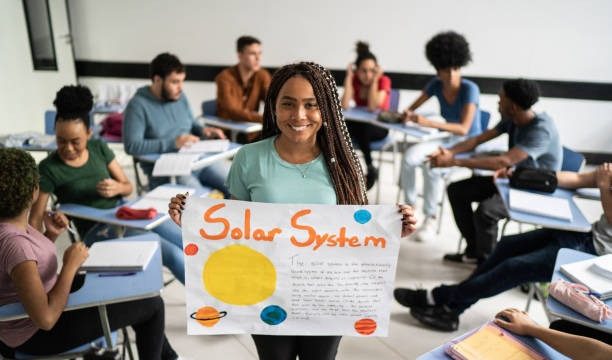
In addition to enhancing academic skills, presentation programs often incorporate elements of creativity. Whether through visual aids, storytelling, or engaging multimedia, students are encouraged to think outside the box. This creative freedom allows them to express their personalities and unique perspectives. As they experiment with different formats and styles, students discover their strengths and preferences, ultimately nurturing a sense of self-awareness that contributes to their confidence.
The role of teachers in this process cannot be overstated. Educators play a pivotal role in guiding students through their presentation journeys. By providing constructive feedback and celebrating their achievements, teachers help students recognize their growth. This positive reinforcement is crucial in building confidence, as it allows students to see their progress over time. When they receive encouragement from trusted mentors, they are more likely to embrace challenges and view themselves as capable individuals.
Moreover, schools often host events such as presentation days or showcases, where students can share their work with a broader audience. These occasions serve as milestones in their academic journeys, allowing them to experience the thrill of presenting to parents, peers, and community members. The excitement of sharing their hard work with others can be a powerful confidence booster. It transforms the often daunting task of public speaking into a celebration of achievement, reinforcing the idea that their voices matter.
Another key aspect of these programs is the emphasis on self-reflection. After presentations, students may engage in discussions about what went well and what could be improved. This reflective practice encourages them to evaluate their performance critically while also recognizing their strengths. By fostering a mindset of continuous improvement, schools empower students to approach future challenges with resilience and confidence.
In addition to individual growth, presentation programs can also strengthen the school community. As students come together to share their work, they build connections with one another. These shared experiences foster a sense of belonging and support, creating an environment where students feel safe to express themselves. This sense of community can have a lasting impact on their confidence, as they learn that they are not alone in their struggles and triumphs.
As students progress through their educational journeys, the skills they develop through presentation programs become invaluable. The ability to communicate effectively, think critically, and collaborate with others are essential skills not just academically but also in their future careers and personal lives. Schools that prioritize these programs are investing in the holistic development of their students, equipping them with the tools they need to navigate the complexities of adulthood.
Ultimately, the journey of building confidence through presentation programs is one of growth, exploration, and connection. Schools play a crucial role in fostering this environment, guiding students as they learn to embrace their voices and share their ideas with the world. As students step onto the stage—whether literal or metaphorical—they carry with them not just their presentations, but a newfound belief in themselves.
In a world that often challenges young people to find their place, schools that support student confidence through presentation programs are nurturing a generation of empowered individuals ready to take on the world. The ripple effects of this confidence extend far beyond the classroom, influencing how students view themselves and their potential. As they continue to develop their skills, they are not just becoming better presenters—they are becoming confident, capable individuals ready to make their mark.