In today’s fast-paced world, learning extends far beyond the confines of traditional classrooms.
As students navigate their educational journeys, practical projects can serve as invaluable tools for everyday learning.
These projects not only enhance understanding of various subjects but also cultivate essential life skills, fostering creativity, critical thinking, and collaboration. Whether you’re a student yourself or guiding someone on their path, engaging in hands-on projects can turn ordinary tasks into extraordinary learning experiences.
A gentle approach to everyday learning involves integrating practical projects that resonate with students’ interests and real-life applications. Let’s explore some delightful ideas that can inspire creativity while reinforcing academic concepts.
One of the most enjoyable ways to learn is through cooking. This activity can be transformed into a comprehensive project that encompasses mathematics, science, and culture. When students follow a recipe, they practice measurements and conversions, which reinforce their math skills. The science of baking, for instance, introduces concepts like chemical reactions and temperature changes. Furthermore, students can explore the cultural significance of various dishes, learning about the history and traditions behind them. This project not only satisfies hunger but also nurtures a deeper appreciation for global diversity.
Gardening offers another enriching avenue for practical learning. By planting seeds and tending to a garden, students can observe the life cycle of plants firsthand. This project can incorporate lessons in biology, ecology, and even economics. Students can research which plants thrive in their local climate, understand the importance of biodiversity, and learn about sustainable practices. As they nurture their garden, they also cultivate patience and responsibility, making it a holistic educational experience.
For those passionate about technology, creating a simple website or blog can be both engaging and educational. This project encourages students to delve into digital literacy while expressing their thoughts and interests. They can explore topics that fascinate them, whether it’s a hobby, a personal journey, or a cause they care about. Through this process, they learn about design, content creation, and even basic coding. Moreover, sharing their work with others fosters a sense of community and connection in the digital realm.
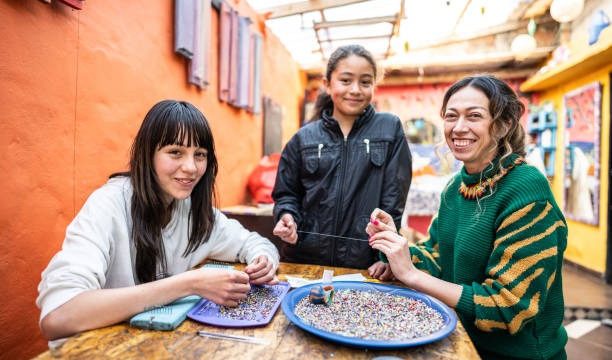
Art projects can also be a wonderful way to blend creativity with learning. Students can choose a theme or subject matter that resonates with them and create a series of artworks. This project encourages exploration of different mediums, such as painting, drawing, or sculpture, while also prompting research into art history and various artistic movements. As they create, students develop their artistic voice and learn to express their emotions and ideas visually. This process not only enhances their artistic skills but also boosts confidence and self-awareness.
Exploring local history through a community project can provide students with a profound sense of connection to their surroundings. They can choose to research historical sites, interview local residents, or even create a documentary about their community’s past. This project allows students to apply their research skills while developing a deeper understanding of their heritage. It fosters a sense of pride in where they come from and encourages them to appreciate the stories that shape their community.
As students engage in these practical projects, it’s essential to create a supportive environment that encourages exploration and experimentation. The process of learning should feel like a journey rather than a destination. Mistakes can be valuable teachers, and celebrating small successes along the way fosters resilience and a positive mindset.
Incorporating reflection into these projects can further enhance the learning experience. Encouraging students to journal about their thoughts, challenges, and discoveries allows them to process their experiences. This practice not only reinforces what they’ve learned but also cultivates mindfulness and self-awareness, essential skills for lifelong learning.
A small shift toward balance can also come from collaborative projects. Working with peers not only enhances social skills but also promotes teamwork and communication. Students can team up for community service projects, science experiments, or even creative performances. These collaborative efforts teach them the value of diverse perspectives and the importance of working together toward a common goal.
In addition to these hands-on projects, it’s helpful to integrate learning into daily routines. Students can turn everyday tasks, like budgeting for groceries or planning a family outing, into practical learning experiences. These activities reinforce math skills, critical thinking, and decision-making, making learning a seamless part of life.
As we navigate the complexities of education, it’s clear that practical projects hold immense potential for enriching students’ learning experiences. By engaging in activities that resonate with their interests and the world around them, students can cultivate a love for learning that lasts a lifetime.
Whether through cooking, gardening, technology, art, or community exploration, these projects not only enhance academic knowledge but also nurture personal growth and resilience. In a world that often feels rushed, taking the time to embrace these practical experiences can lead to a more balanced and fulfilling educational journey.
Ultimately, the goal is to create a learning environment where curiosity thrives and students feel empowered to explore their passions. By integrating practical projects into everyday life, we can inspire a generation of lifelong learners who approach challenges with confidence and creativity.