In the ever-evolving landscape of education, fostering creativity in students has become an essential goal for teachers around the world.
Creative skills not only enhance learning but also empower students to express themselves and think critically.
By incorporating engaging classroom activities, educators can create an environment that nurtures these vital skills.
Here, we explore a variety of activities that highlight students’ creative capabilities, making learning a joyful and enriching experience.
A gentle approach to storytelling
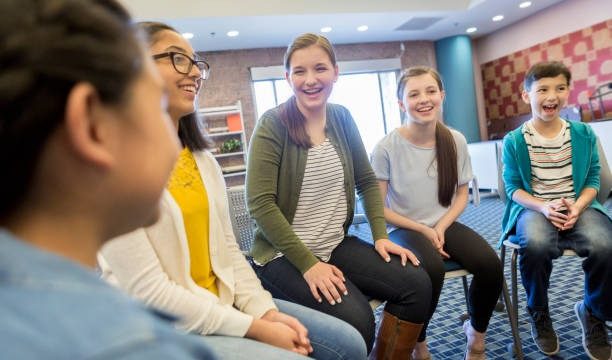
One of the most effective ways to tap into students’ creativity is through storytelling. This age-old practice not only encourages imaginative thinking but also enhances language skills. Teachers can start by creating a storytelling circle, where students take turns sharing tales, whether they are personal experiences or entirely fictional. To add an extra layer of creativity, educators can introduce props or visual aids. A simple object, like a feather or a toy, can inspire a whole new narrative, sparking students’ imaginations and encouraging them to think outside the box.
As students share their stories, they learn to listen and appreciate the diverse perspectives of their peers. This shared experience fosters a sense of community and encourages collaboration, allowing students to build on each other’s ideas. The beauty of storytelling lies in its ability to transport both the teller and the listener to different worlds, nurturing empathy and understanding along the way.
The art of collaboration
Creativity often flourishes in collaborative environments. Group projects can be designed to let students work together while allowing their individual talents to shine. For instance, a project centered around creating a class mural can invite students to contribute their unique artistic styles. Each student can take ownership of a section, ensuring that their creativity is represented in the final piece.
This activity not only promotes artistic expression but also teaches valuable skills such as teamwork, communication, and compromise. As students collaborate, they learn to appreciate each other’s strengths, fostering a deeper understanding of the importance of diverse perspectives in the creative process.
Exploring the world of music
Music is a powerful medium that can ignite creativity in students. Incorporating musical activities into the classroom can be both fun and inspiring. Teachers might consider organizing a “create your own instrument” day, where students use everyday materials to craft unique instruments. This hands-on activity engages students in the creative process, allowing them to experiment with sound and rhythm.
Once the instruments are created, students can form small groups to compose their own songs. This not only encourages musical expression but also helps them develop skills in composition, collaboration, and performance. Sharing their creations with the class can boost their confidence and provide a platform for self-expression, allowing them to connect with their peers through the universal language of music.
A touch of drama
Drama activities can also serve as a wonderful outlet for creativity. Engaging students in role-playing or improvisation exercises helps them step into different characters and scenarios, encouraging them to think creatively and critically. A simple exercise, such as a “freeze frame” activity, allows students to create a tableau that represents a specific theme or emotion.
This not only enhances their understanding of various concepts but also allows them to express their interpretations in a visual format. By exploring emotions and situations through drama, students can develop empathy and improve their communication skills, all while having fun.
Crafting with purpose
Art projects are a classic way to foster creativity in students, but they can be elevated by incorporating a purpose. For example, students can create artwork that addresses social issues or themes they feel passionate about. This not only allows them to express themselves artistically but also encourages them to think critically about the world around them.
Whether it’s a painting that represents environmental conservation or a sculpture that highlights cultural diversity, these projects can spark meaningful discussions among students. As they create, they learn to articulate their thoughts and feelings, developing a deeper understanding of their own beliefs and values while appreciating those of their classmates.
Nature as inspiration
Nature has long been a source of inspiration for artists, and it can be just as influential in the classroom. Organizing outdoor activities encourages students to connect with their surroundings, fostering a sense of wonder and creativity. A simple nature walk can lead to observations that inspire poetry, sketches, or even scientific inquiry.
Teachers might encourage students to collect natural materials like leaves, stones, or flowers to create art projects or dioramas. This hands-on experience not only stimulates creativity but also instills a sense of responsibility toward the environment. By connecting with nature, students can learn to appreciate the beauty around them, igniting their imaginations and encouraging them to think creatively.
Reflecting on creativity
At the end of creative projects or activities, it is beneficial to create time for reflection. Allowing students to discuss their experiences, challenges, and triumphs can deepen their understanding of the creative process. This reflective practice encourages them to articulate their thoughts and feelings, fostering a growth mindset.
By sharing their reflections with peers, students can learn from one another, gaining insights into different approaches and perspectives. This process of sharing not only validates their experiences but also helps them develop critical thinking skills, as they evaluate their own work and that of others.
In conclusion, classroom activities that highlight students’ creative skills are essential for fostering an environment of exploration and self-expression. By engaging in storytelling, collaboration, music, drama, purposeful crafting, and connecting with nature, students can unlock their creative potential. These activities not only enhance individual talents but also cultivate a sense of community, empathy, and understanding. As educators embrace these creative endeavors, they play a vital role in shaping the next generation of thinkers, innovators, and compassionate individuals ready to navigate the world ahead.