Creating an inclusive environment in the classroom is essential for fostering a sense of belonging among students.
When learners feel included, they are more likely to engage, participate, and thrive in their educational journey.
With the right activities, teachers can cultivate a classroom atmosphere that celebrates diversity and encourages every student to shine. Here are some thoughtful approaches to consider.
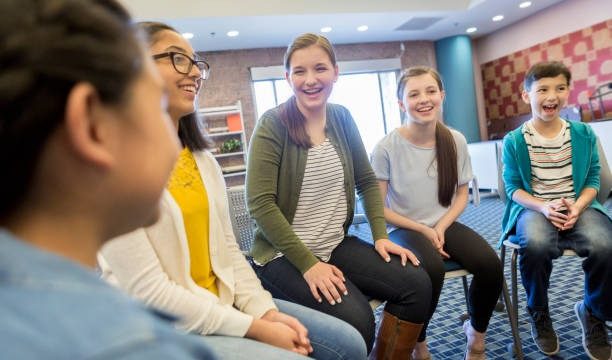
Building connections through storytelling can be a powerful way to help students feel included. Inviting everyone to share personal experiences or family traditions fosters a sense of community. This can be done in small groups or as a class activity, allowing students to listen to one another’s unique stories. Such exercises not only promote empathy but also highlight the beauty of diverse backgrounds. When students hear their peers’ narratives, they may find common ground, creating bonds that transcend cultural differences.
Another engaging activity is the creation of a class mural or collage, where each student contributes something that represents their identity or interests. This collaborative effort not only beautifies the classroom but also gives every student a voice in the project. As they work together, students learn to appreciate each other’s perspectives and talents. The mural becomes a shared piece of art that embodies the collective spirit of the classroom, reminding everyone of their importance in the group.
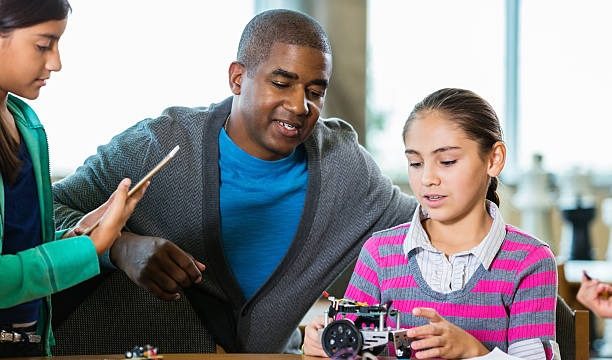
Incorporating cooperative learning activities can also promote inclusion. Group projects that require collaboration allow students to work together, combining their strengths and skills. By assigning roles that play to each student’s abilities, teachers can ensure that everyone feels valued. For instance, a project might require a researcher, a presenter, and a creative designer. This way, each student has a distinct part to play, ensuring that no one is left out and everyone’s contributions are acknowledged.
Creating a safe space for open dialogue is another essential aspect of fostering inclusivity. Establishing ground rules for respectful communication can help students feel secure in expressing their thoughts and feelings. Regular class discussions on various topics can encourage students to share their opinions and listen to others. This not only enhances their communication skills but also nurtures a culture of respect and understanding. When students know their voices matter, they are more likely to engage actively in classroom discussions.
Mindfulness activities can also play a significant role in promoting a sense of belonging. Simple practices, such as guided meditation or breathing exercises, can help students feel grounded and present. Allocating a few moments each day for mindfulness allows students to reflect on their feelings and share their thoughts if they choose. This practice can help reduce anxiety and create a calm atmosphere where everyone feels comfortable. By encouraging self-awareness, students can better understand themselves and their classmates, fostering deeper connections.
Incorporating games that focus on teamwork can further enhance inclusivity. Whether it’s a fun relay race or a problem-solving challenge, these activities can break down social barriers and encourage collaboration. When students work together toward a common goal, they learn to rely on one another’s strengths, building trust and camaraderie. Celebrating both successes and efforts reinforces the idea that every contribution is valuable, regardless of the outcome.
Another gentle approach is to integrate cultural appreciation days into the classroom schedule. These occasions can be dedicated to exploring different cultures through food, music, art, or guest speakers. By inviting students to share aspects of their heritage, you create opportunities for learning and celebration. This not only enriches the classroom experience but also helps students see the value in diversity. When students learn about each other’s backgrounds, they develop a broader understanding of the world around them.
Encouraging peer mentorship can also foster a sense of inclusion. Pairing older students with younger ones or students with different abilities can create meaningful connections. Mentorship provides opportunities for students to learn from one another, building confidence and social skills. This relationship can offer support in academic endeavors as well, with the mentor helping their peer navigate challenges. The mutual respect that develops through mentorship can enhance the overall classroom dynamic.
Creating a classroom library that reflects diverse voices and experiences is another way to promote inclusivity. Including books that feature characters from various backgrounds and cultures encourages students to see themselves represented in literature. This can spark conversations about identity and belonging, allowing students to explore their own experiences through the lens of storytelling. A well-curated library becomes a safe haven for students to discover new perspectives and understand the richness of human experience.
Lastly, regular feedback sessions can help students feel heard and valued. Providing opportunities for students to express their thoughts about classroom activities and dynamics can lead to meaningful changes. When students know that their opinions matter, they are more likely to engage and invest in their learning environment. This continuous dialogue helps create a responsive classroom atmosphere where everyone feels involved in shaping their experiences.
In crafting a classroom that embraces inclusivity, it is essential to remember that small, intentional actions can create a significant impact. By incorporating activities that encourage storytelling, collaboration, and cultural appreciation, teachers can foster an environment where every student feels valued. As students learn to appreciate each other’s differences and similarities, they develop essential social skills that will serve them well beyond the classroom. Ultimately, an inclusive classroom is not just about accommodating differences; it’s about celebrating the unique tapestry of experiences that each student brings to the table.