In the ever-evolving landscape of education, fostering a deep understanding of ideas is more crucial than ever.
As classrooms become increasingly diverse and dynamic, educators are seeking innovative activities that not only engage students but also help them internalize concepts more effectively.
By weaving together creativity, collaboration, and critical thinking, teachers can create an environment where learning flourishes.
The power of storytelling
One of the most enchanting ways to promote understanding in the classroom is through storytelling. This age-old tradition transcends generations and cultures, making it a powerful tool for connecting with students. When educators encourage students to share their own stories or retell historical events, they immerse themselves in the narrative, allowing ideas to resonate on a personal level.
For instance, a lesson on environmental science could transform into a shared storytelling session where students describe their experiences with nature, be it a cherished family hike or a visit to a local park. This not only fosters a sense of community but also deepens their understanding of ecological concepts by relating them to real-life experiences.
Engaging through hands-on activities
Another effective approach is incorporating hands-on activities that allow students to explore concepts tangibly. Whether it’s building a model, conducting an experiment, or creating a visual representation of an idea, these activities engage multiple senses, making the learning experience more memorable.
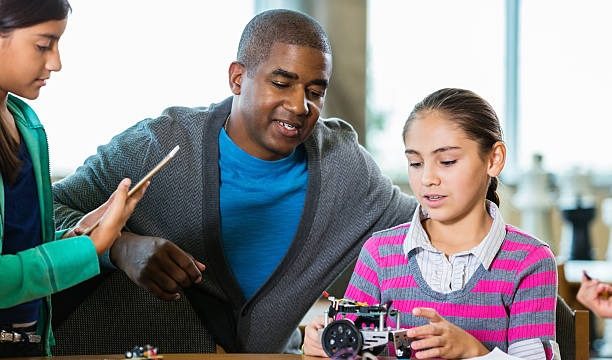
Imagine a classroom where students construct simple machines, allowing them to grasp the principles of physics through direct interaction. As they manipulate materials and observe outcomes, they develop a richer understanding of mechanical concepts. This kinesthetic approach caters to various learning styles, ensuring that each student finds a way to connect with the material.
The beauty of collaboration
Collaboration is a cornerstone of effective learning. When students work together, they exchange ideas, challenge one another’s perspectives, and build a deeper understanding of the subject matter. Group activities can take various forms, from project-based learning to cooperative problem-solving tasks.
Consider a scenario where students tackle a complex social issue, such as poverty or climate change, in small groups. By discussing their thoughts and opinions, they not only learn from each other but also develop critical thinking skills as they navigate differing viewpoints. This collaborative spirit creates a sense of belonging, reinforcing the idea that learning is a shared journey.
A gentle nudge toward creativity
Creativity can be a powerful ally in the quest for understanding. Encouraging students to express their thoughts through art, music, or drama allows them to explore ideas in unique ways. For instance, a lesson on the theme of friendship in literature could inspire students to create their own skits or artworks that depict their interpretations of the concept.
This creative exploration not only enhances their grasp of the material but also nurtures their emotional intelligence as they reflect on their experiences and feelings. By allowing students to express themselves creatively, educators foster a classroom environment that values individuality and encourages personal connections to ideas.
Reflection as a learning tool
Reflection is an essential component of the learning process. When students take time to process what they’ve learned, they can connect the dots between new ideas and their existing knowledge. Incorporating reflective practices, such as journaling or group discussions, can help solidify this understanding.
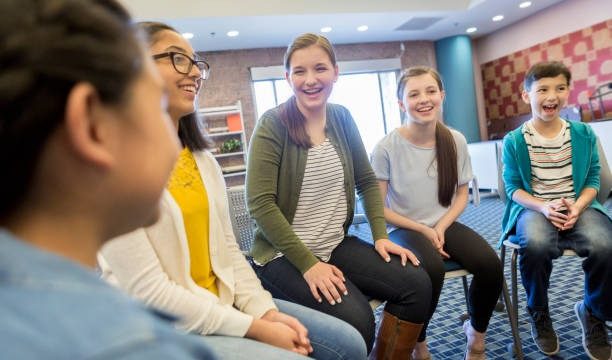
After completing a project, for example, students might engage in a sharing circle where they discuss what they learned, the challenges they faced, and how their perspectives have changed. This reflective dialogue not only reinforces their learning but also cultivates a growth mindset, enabling them to embrace challenges as opportunities for development.
Connecting ideas to real life
Bringing real-world connections into the classroom can significantly enhance understanding. When students see how concepts apply to their lives outside of school, they are more likely to engage with the material. Field trips, guest speakers, or community projects can bridge the gap between theory and practice.
For instance, a unit on healthy eating could be enriched by a visit to a local farm or a cooking class where students learn to prepare nutritious meals. These experiences ground abstract ideas in reality, allowing students to appreciate the relevance of what they are learning.
A supportive atmosphere
Creating a nurturing and supportive classroom environment is vital to promoting understanding. When students feel safe to express their thoughts and ask questions, they are more likely to engage deeply with the material. Establishing a culture of respect, where every voice is valued, encourages open dialogue and exploration.
Teachers can foster this atmosphere by modeling vulnerability and sharing their own learning experiences. By showing that it’s okay to make mistakes and learn from them, educators empower students to take risks in their learning journey.
The joy of inquiry
Encouraging a spirit of inquiry can transform the learning experience. When students are given the freedom to ask questions and seek answers, they take ownership of their education. Inquiry-based learning invites them to explore topics that genuinely interest them, leading to a more profound understanding.
In this approach, teachers can act as facilitators, guiding students as they navigate their inquiries. This collaborative exploration not only deepens their understanding of ideas but also instills a lifelong love of learning.
As we look to the future of education, it’s clear that promoting understanding of ideas requires creativity, collaboration, and a commitment to fostering a supportive environment. By engaging students through storytelling, hands-on activities, and reflective practices, educators can create a rich tapestry of learning experiences. Ultimately, when students feel connected to the material and to one another, they embark on a journey of discovery that goes far beyond the classroom walls. In this way, education becomes not just a process of acquiring knowledge, but a beautiful exploration of ideas that shapes lives.