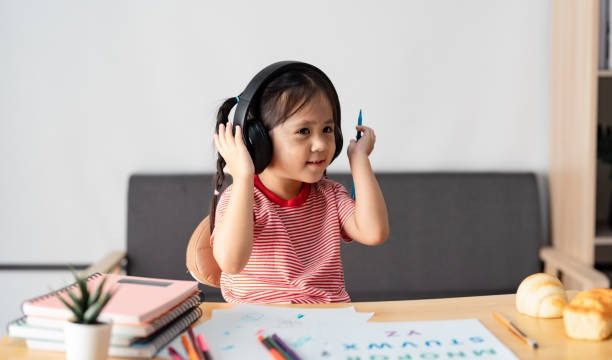
Academic growth is often viewed as a solitary journey, where students strive to reach their personal bests through individual study and self-discipline.
However, there’s a different perspective that can foster a deeper understanding and a more enriching experience: collaborative review.
This approach not only enhances learning but also builds a sense of community among peers, creating an environment where knowledge flows freely and curiosity thrives.
In today’s fast-paced educational landscape, the idea of collaboration may seem daunting. Yet, when students come together to review and discuss their academic work, they tap into a rich resource of shared insights and diverse perspectives. Each student brings their unique experiences and understanding to the table, allowing for a more holistic grasp of the material. This collaborative spirit can transform the often isolating experience of studying into a vibrant exchange of ideas.
The beauty of collaborative review lies in its ability to break down complex concepts. When students discuss topics together, they can approach challenging material from various angles. One student may understand a theory well and explain it in a way that resonates with others, while another might ask questions that spark deeper exploration. This dialogue not only clarifies misunderstandings but also ignites curiosity, encouraging students to delve deeper into the subject matter.
Creating a supportive environment is essential for fostering collaborative review. Students should feel comfortable sharing their thoughts and questions without fear of judgment. This sense of safety can be cultivated through group norms that prioritize respect and open-mindedness. When everyone knows that their contributions are valued, they are more likely to engage actively in discussions.
Moreover, collaborative review can reinforce accountability among peers. When students know that they will be discussing their ideas with others, they may feel more motivated to prepare and engage with the material. This shared responsibility can lead to more thorough understanding and retention of information. It’s not just about passing a test; it’s about genuinely grasping the concepts and being able to apply them in real-world scenarios.
Incorporating collaborative review into study routines can take many forms. Students might organize study groups, participate in peer-led workshops, or even utilize online platforms for discussions. The key is to find a method that feels natural and enjoyable. The process should be less about rigid schedules and more about creating meaningful interactions that inspire growth.
As students engage in collaborative review, they also cultivate essential skills that extend beyond academics. Communication, teamwork, and critical thinking are all enhanced through these interactions. Students learn to articulate their thoughts clearly, listen to others, and navigate differing viewpoints. These skills are invaluable in both personal and professional contexts, equipping students for future endeavors.
Another aspect to consider is the emotional support that comes from collaborative review. Academic pressures can be overwhelming, and sharing these experiences with peers can lighten the burden. When students realize they are not alone in their struggles, it fosters resilience and encourages perseverance. The camaraderie built through shared challenges can be a powerful motivator, reminding students that they are part of a larger community striving for success.
It’s important to approach collaborative review with an open heart and mind. Each student’s journey is unique, and while some may grasp concepts quickly, others may need more time. Embracing this diversity creates a richer learning experience. Patience and kindness become cornerstones of the collaborative process, allowing everyone to progress at their own pace while supporting one another.
As we navigate the complexities of academic growth, we should also acknowledge the role of technology in facilitating collaboration. Virtual study groups and online forums offer opportunities for students to connect beyond geographical boundaries. These platforms can be particularly beneficial for those who may feel isolated or for those who thrive in digital spaces. The flexibility of online collaboration allows students to engage with their peers in ways that suit their schedules and preferences.
While the idea of collaborative review holds immense promise, it’s essential to stay mindful of its challenges. Not every group dynamic will be harmonious, and conflicts may arise. However, these moments can serve as valuable learning experiences. Navigating disagreements can teach students how to communicate effectively, negotiate solutions, and ultimately strengthen their relationships. The ability to resolve conflicts in a constructive manner is a skill that will benefit them throughout their lives.
As we encourage academic growth through collaborative review, let’s remember the importance of balance. While collaboration is a powerful tool, it should complement individual study habits rather than replace them. Encouraging students to find the right mix of independent and collaborative learning can lead to a more rounded educational experience.
In essence, collaborative review is about more than just academic success; it’s about nurturing a community of learners. It’s about creating spaces where students feel valued, understood, and inspired. As they share knowledge, support one another, and grow together, they not only enhance their understanding of the material but also build lasting friendships and networks.
Embracing the power of collaboration in academic settings can transform the learning experience into a joyful journey of exploration and connection. So, let’s celebrate the power of working together, fostering an environment where everyone can thrive. In the end, education is not just about acquiring knowledge; it’s about building relationships, understanding ourselves, and supporting one another in our quests for growth.