In the journey of education, we often find ourselves seeking ways to enhance learning outcomes.
While traditional methods of assessment and feedback have their merits, the practice of peer review emerges as a gentle yet powerful tool to elevate the learning experience.
This collaborative approach not only enriches students’ understanding but also nurtures a sense of community and shared responsibility.
A nurturing environment for growth
Peer review encourages students to engage deeply with their work and the work of their peers. When learners take on the role of reviewer, they step outside their own perspectives and into the shoes of others. This shift fosters empathy and understanding, as they consider different viewpoints and approaches. The act of reviewing also prompts students to reflect on their own work, leading to greater self-awareness and critical thinking skills.
In many ways, peer review acts as a mirror, reflecting back both strengths and areas for improvement in a constructive manner. This supportive feedback loop helps learners to refine their ideas and hone their skills, ultimately resulting in higher quality learning outcomes. It reinforces the notion that learning is not a solitary endeavor but a shared journey.
Cultivating collaboration
When students participate in peer review, they engage in a collaborative process that mirrors real-world scenarios. In professional settings, collaboration is often key to success. By fostering these skills in an academic environment, we prepare students for future challenges. They learn to communicate effectively, negotiate differing opinions, and appreciate the diverse perspectives that their peers bring to the table.
This collaborative spirit also builds a sense of belonging. Students who feel connected to their peers are more likely to engage actively in their learning. They develop a support system that encourages risk-taking and exploration, knowing that their peers are there to offer encouragement and constructive feedback. This nurturing environment can be transformational, allowing individuals to thrive both academically and personally.
A gentle shift in perspective
Incorporating peer review into the educational framework may seem daunting at first, but it can be a simple shift that yields significant benefits. Educators can start small, perhaps by introducing peer review in a single assignment or project. As students become comfortable with the process, it can gradually expand to encompass more of the curriculum.
This gentle introduction can also include guidance on how to provide constructive feedback. Teaching students to communicate their thoughts with kindness and clarity can enhance the overall experience. When feedback is framed positively, it encourages growth rather than discouragement. This approach not only helps the reviewer to articulate their thoughts but also ensures that the recipient feels valued and motivated to improve.
The transformative power of reflection
One of the most profound aspects of peer review is the opportunity for reflection it provides. After receiving feedback, students are encouraged to reflect on their work and the insights shared by their peers. This reflective practice cultivates a deeper understanding of the subject matter and allows for personal growth.
Reflection can take many forms, whether through journaling, discussions, or even informal conversations. The key is to create a space where students feel comfortable exploring their thoughts and emotions about the feedback they receive. This process not only enhances learning outcomes but also fosters resilience, as students learn to navigate criticism and use it as a stepping stone for improvement.
Building a supportive community
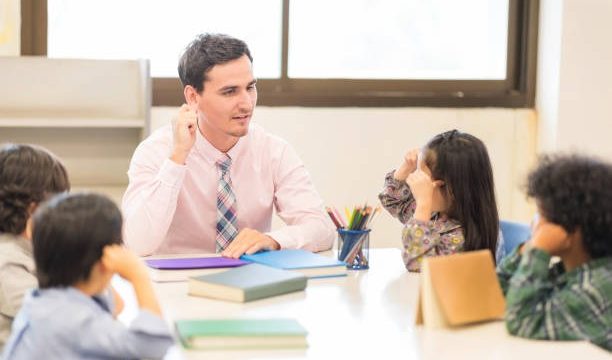
At its core, peer review is about building a community of learners. When students collaborate and support one another, they create an atmosphere where everyone feels valued. This sense of community can be particularly beneficial in diverse classrooms, where students come from various backgrounds and experiences. By engaging in peer review, learners can share their unique perspectives and insights, enriching the learning experience for all.
Moreover, this communal approach can help reduce feelings of isolation that some students may experience. Knowing that they are part of a supportive network encourages individuals to participate more actively in their education. This collective engagement can lead to a more vibrant learning environment, where ideas flow freely and creativity is nurtured.
Embracing the journey
As we embrace the practice of peer review, it’s essential to acknowledge that it is a journey, not a destination. Both educators and students will encounter challenges along the way. There may be moments of discomfort as individuals navigate giving and receiving feedback. However, it is precisely in these moments that growth occurs.
By fostering a culture of openness and understanding, we can help students navigate the complexities of peer review with grace. Encouraging a growth mindset—where mistakes are seen as opportunities for learning—can empower individuals to approach the process with curiosity rather than fear.
In conclusion, peer review holds the potential to transform learning outcomes in profound ways. By cultivating collaboration, building community, and encouraging reflection, we create a nurturing environment that supports growth and development. As we embark on this journey together, let us embrace the power of peer review, celebrating the unique contributions that each learner brings to the table. With patience and kindness, we can guide one another toward higher quality learning experiences that resonate far beyond the classroom.