Understanding grade levels can feel a bit overwhelming, especially if you’re navigating the educational landscape for the first time or trying to make sense of the different systems in place.
Whether you’re a parent, a student, or simply curious about how education is structured, it’s helpful to have a clear and friendly explanation of what these grade levels mean and how they work.
The journey through education often begins in early childhood, where the foundation for learning is laid.
In many places, this starts with preschool, typically for children ages three to five. Here, the focus is on socialization, basic skills, and a love for learning. Activities are designed to be engaging and playful, allowing children to explore their interests and develop foundational skills in a nurturing environment.
As children transition from preschool, they enter kindergarten, usually around age five or six. This is often seen as the official start of formal education. In kindergarten, children begin to learn the basics of reading, writing, and mathematics. They also engage in activities that promote social skills, creativity, and emotional development. The goal at this stage is to foster a love for learning and prepare children for the more structured environment of elementary school.
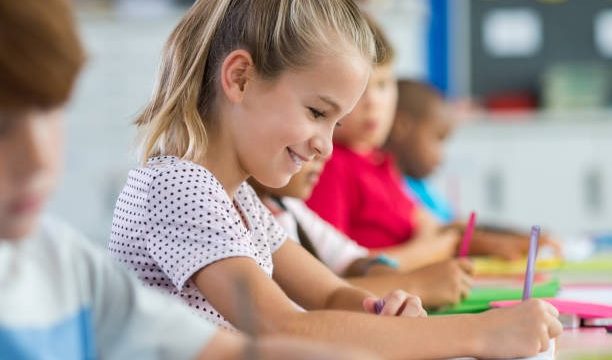
Elementary school typically spans grades one through five or six, depending on the school district. During these years, students dive deeper into core subjects like math, science, language arts, and social studies. Each grade level builds upon the previous one, gradually increasing in complexity. For example, first graders may focus on basic addition and subtraction, while fifth graders tackle more advanced concepts like fractions and introductory algebra. This progression helps students develop critical thinking and problem-solving skills that are essential for their future academic endeavors.
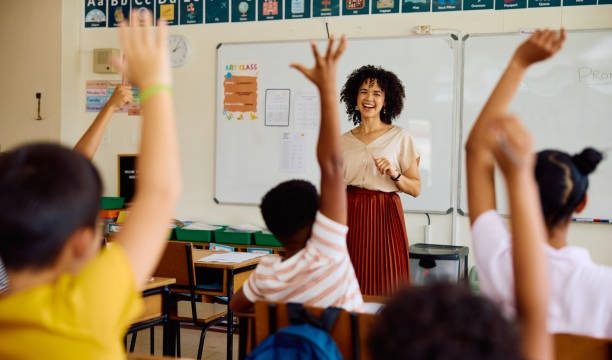
As students complete elementary school, they transition into middle school, which generally includes grades six through eight. This period can be a significant time for growth, as students begin to navigate more complex subjects and develop greater independence. Middle school often introduces a variety of teachers, allowing students to experience different teaching styles and subjects, including foreign languages and specialized electives such as art or music. This transition can bring its challenges, but it also offers opportunities for students to explore their interests and develop their identities.
After middle school, students typically move on to high school, which usually encompasses grades nine through twelve. High school is a time of significant academic and personal development. Students are exposed to a wider range of subjects and have the opportunity to take advanced placement (AP) courses, which can earn them college credit. High school also emphasizes the importance of extracurricular activities, encouraging students to participate in sports, clubs, and community service. This holistic approach helps students not only prepare for college and careers but also fosters important life skills such as teamwork, leadership, and time management.
The transition from high school to post-secondary education is another pivotal moment in a student’s life. Graduating from high school often leads to various paths, including attending college or university, enrolling in vocational training, or entering the workforce. Each option presents its own set of opportunities and challenges, and students are encouraged to explore their passions and interests as they make these decisions.
While the traditional grade level system provides a framework for education, it’s important to recognize that every child’s learning journey is unique. Some students may thrive in a traditional classroom setting, while others may benefit from alternative educational approaches, such as homeschooling or online learning. The key is to find an environment that nurtures individual strengths and encourages personal growth.
As we reflect on the progression through grade levels, it’s essential to acknowledge the role of parents and caregivers in this journey. They are often the first teachers, instilling values and a love for learning from an early age. Their support can make a significant difference in a child’s educational experience. Open communication between parents, educators, and students fosters a collaborative approach that can enhance learning and create a supportive environment.
Another important aspect to consider is the emotional and social development that occurs alongside academic progress. Education is not solely about grades and tests; it’s also about building relationships, understanding oneself, and navigating the complexities of life. Schools often provide resources to support students’ mental health and well-being, recognizing that a balanced approach to education is crucial for long-term success.
In recent years, there has been a growing awareness of the need for flexibility within the grade level system. Some schools are adopting innovative practices that allow for personalized learning experiences. This shift acknowledges that students learn at different paces and in various ways. By embracing a more individualized approach, educators can help students reach their full potential while fostering a love for learning that lasts a lifetime.
As we navigate the world of education, it’s essential to keep in mind that grade levels are just one part of a much larger picture. They serve as a guide, helping to structure learning experiences and support students’ development. However, the true essence of education lies in the connections we make, the knowledge we gain, and the lives we touch along the way.
In conclusion, understanding grade levels is an important step in appreciating the educational journey. From the joyful exploration of preschool to the challenges and triumphs of high school, each stage offers unique opportunities for growth and discovery. By fostering a supportive and nurturing environment, we can empower students to embrace their learning experiences and thrive in their academic and personal lives. Education is a lifelong journey, and every grade level is a stepping stone toward a brighter future.