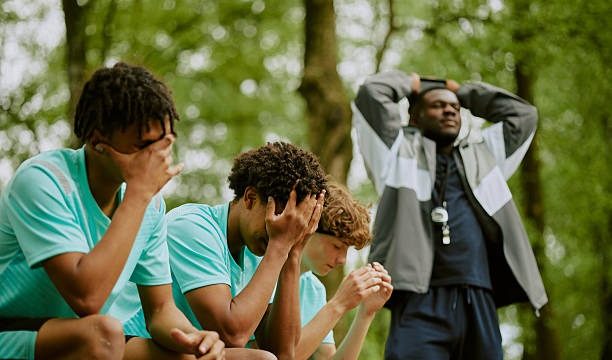
In a world that often measures success by grades, trophies, or accolades, it’s refreshing to pause and recognize the myriad of efforts that contribute to student achievement.
Each day in classrooms across the globe, students embark on journeys filled with challenges, growth, and small victories that often go unnoticed.
These moments, though sometimes subtle, are the threads that weave the fabric of a meaningful educational experience.
Every effort counts
When we think about student achievement, it’s easy to get caught up in the big milestones. Graduations, competitions, and high scores can overshadow the quieter, yet equally important, moments of progress. A student who raises their hand to answer a question, even when unsure, is displaying courage. The classmate who spends extra time helping a friend understand a difficult concept is showcasing compassion and teamwork. These actions, while not always celebrated, are vital to creating a supportive learning environment.
Recognizing the importance of these smaller achievements can significantly boost a student’s confidence. When educators and parents acknowledge the effort behind each action, it encourages students to take risks and engage more fully in their learning. The recognition of effort fosters resilience, helping students understand that mistakes and setbacks are part of the learning process.
Creating a culture of positivity
Building a classroom culture that celebrates every effort begins with the adults in the room. Teachers play a crucial role in modeling positivity and enthusiasm for learning. By sharing their own experiences of trial and error, educators can create an atmosphere where students feel safe to express themselves. This openness cultivates an environment where every question asked, and every effort made, is valued.
Parents also play an essential role in this journey. Encouraging children to embrace their unique paths can help them appreciate their own efforts. Simple words of encouragement at home can reinforce the idea that achievement is not solely about the outcome but also about the journey taken to get there. When children see their parents valuing effort, they are more likely to internalize that belief, leading to a more positive self-image.
A small shift toward balance
In today’s fast-paced educational landscape, where pressure to perform can be overwhelming, it’s essential to shift the focus from purely academic success to a more balanced perspective. Encouraging students to engage in extracurricular activities, hobbies, and social interactions can provide them with a well-rounded experience. These activities often lead to personal growth and help students discover their passions, which is a significant part of their overall achievement.
This holistic approach nurtures not only academic skills but also emotional intelligence, creativity, and social skills. Students learn to collaborate, communicate, and problem-solve in real-world situations. These competencies are invaluable as they prepare for life beyond school. Striking a balance between academics and other pursuits can ultimately lead to a more fulfilling educational experience.
The power of community
Another vital aspect of celebrating student achievement is the role of community. Schools that foster strong relationships among students, teachers, and families create an environment where everyone feels connected and supported. When students know they are part of a community that values their efforts, they are more likely to take pride in their work and strive for improvement.
Community events, such as open houses, talent shows, or family engagement nights, can provide platforms for students to showcase their efforts in various forms. These gatherings allow families and friends to celebrate achievements together, reinforcing the idea that success is a collective experience rather than an individual one. When students see their peers being recognized for their unique contributions, it encourages a spirit of camaraderie and motivation.
Mindfulness and self-reflection
Incorporating mindfulness practices into the school day can also enhance students’ ability to recognize and celebrate their own efforts. Simple activities, such as journaling about daily challenges and victories, can help students reflect on their experiences. This practice encourages them to appreciate their growth over time, fostering a sense of accomplishment that may not always be visible in grades.
Mindfulness can also teach students to be present and engaged in their learning. When they focus on the effort they put into tasks rather than solely on the outcome, they cultivate a growth mindset. This perspective allows them to embrace challenges and view setbacks as opportunities for learning, which is a valuable skill that extends beyond the classroom.
Encouraging a lifelong love of learning
Ultimately, celebrating every effort in student achievement can lead to a lifelong love of learning. When students feel appreciated for their hard work, they are more likely to develop intrinsic motivation. This internal drive is what keeps them curious, engaged, and eager to explore new ideas and concepts throughout their lives.
As we move forward, it’s important to remember that every student is unique. Their paths to achievement may look different, but the common thread is the effort they invest in their learning. By creating an environment that values and celebrates these efforts, we can nurture confident, resilient individuals who are prepared to face the world with curiosity and enthusiasm.
In conclusion, student achievement is not just about the end result; it is a rich tapestry woven from every little effort along the way. By recognizing and celebrating these efforts, we can create a more inclusive, supportive, and nurturing educational experience for all students. Let us embrace the beauty of the journey and honor the remarkable efforts that contribute to each student’s unique story.