In the journey of education, student success often hinges not just on grades or test scores, but on the cultivation of lifelong academic skills.
These skills extend beyond the classroom, shaping how young minds approach challenges, embrace learning, and navigate the complexities of life.
In this exploration, we delve into the essence of these skills and how they contribute to a fulfilling academic experience and beyond.
A gentle introduction to lifelong learning
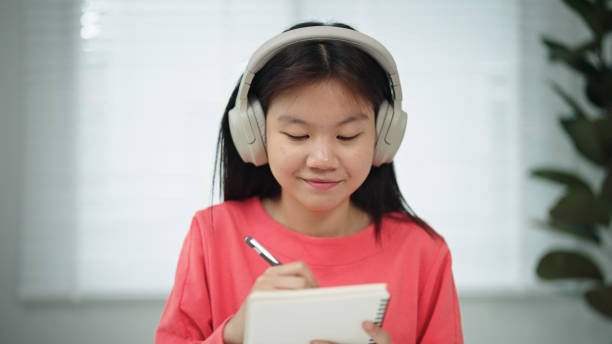
Lifelong academic skills encompass a broad spectrum of abilities that nurture curiosity, critical thinking, and adaptability. These skills are not confined to textbooks or lectures; rather, they thrive in real-world applications. When students engage in self-directed learning, they discover the joy of exploring topics that spark their interest. This intrinsic motivation fosters a love for learning that lasts well beyond their school years.
Curiosity is the cornerstone of lifelong learning. It encourages students to ask questions, seek answers, and develop a deeper understanding of the world around them. When students learn to embrace curiosity, they become active participants in their education, transforming the learning experience into an adventure rather than a chore.
The art of critical thinking
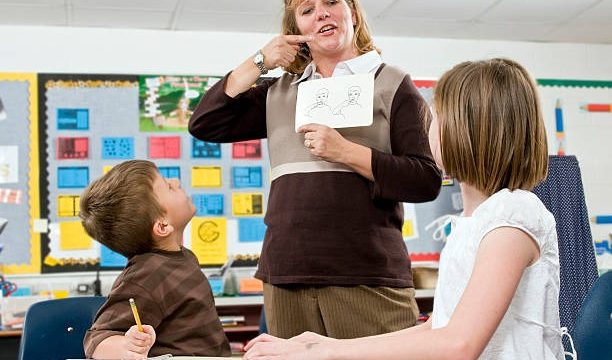
Critical thinking is another essential skill that paves the way for student success. It involves analyzing information, evaluating different perspectives, and making informed decisions. In an age where information is abundant yet sometimes misleading, the ability to think critically is invaluable. Students who hone this skill learn to navigate complexities, discern fact from opinion, and approach problems with a balanced mindset.
Encouraging students to engage in discussions and debates can enhance their critical thinking abilities. By sharing ideas and challenging each other’s viewpoints, they learn to articulate their thoughts clearly and consider alternative perspectives. This collaborative approach not only strengthens their reasoning skills but also fosters a sense of community and belonging.
Adaptability: embracing change
In a world that is constantly evolving, adaptability emerges as a vital skill for student success. The ability to adjust to new circumstances, whether in academic settings or personal lives, prepares students for the unpredictability of the future. Life is filled with transitions, and those who can embrace change with an open mind are more likely to thrive.
Students can practice adaptability by stepping out of their comfort zones. Whether it involves taking on new subjects, participating in extracurricular activities, or collaborating with diverse groups, these experiences teach resilience and flexibility. Each challenge faced and overcome contributes to a stronger, more adaptable mindset.
Time management: a path to balance
As students juggle academic responsibilities, extracurricular activities, and personal interests, mastering time management becomes crucial. Effective time management not only helps students meet deadlines but also allows them to carve out time for self-care and relaxation. Striking a balance between work and play is essential for maintaining mental well-being.
To foster time management skills, students can experiment with different techniques, such as creating schedules or setting priorities. Finding a system that works for them can lead to greater efficiency and a sense of accomplishment. Moreover, learning to allocate time for rest and leisure activities encourages a holistic approach to success.
The power of collaboration
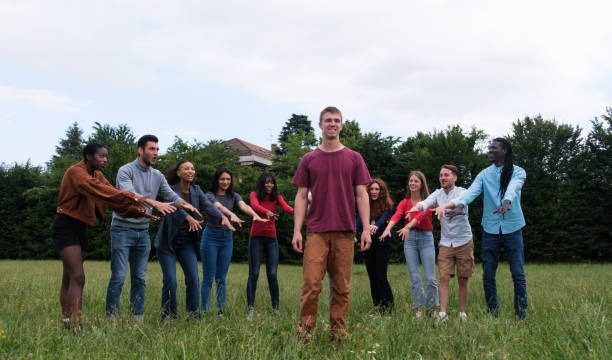
Collaboration is a skill that transcends academic boundaries. Working with peers fosters communication, teamwork, and social skills. In group projects or study sessions, students learn to share ideas, delegate tasks, and support one another. This collaborative spirit not only enhances their understanding of the subject matter but also prepares them for future endeavors in both academic and professional settings.
Encouraging students to engage in group activities, whether in the classroom or through clubs and organizations, nurtures a sense of camaraderie. The connections formed during these experiences can last a lifetime, creating a network of support that enriches their academic journey.
Embracing failure as a learning opportunity
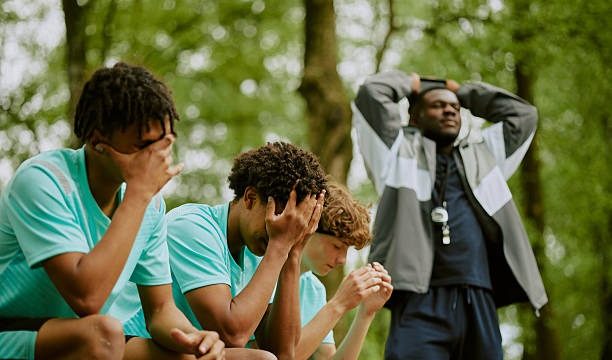
One of the most valuable lessons students can learn is how to embrace failure. In the pursuit of success, setbacks are inevitable. However, viewing failure as a stepping stone rather than a stumbling block can significantly impact a student’s mindset. Each challenge presents an opportunity for growth and self-discovery.
By fostering a culture that encourages risk-taking and resilience, educators and parents can help students reframe their perspectives on failure. Celebrating effort and progress rather than solely focusing on outcomes cultivates a growth mindset, where students understand that improvement comes through perseverance.
Finding joy in the process
Ultimately, the journey toward student success is about finding joy in the process of learning. When students focus on the experience rather than merely the end result, they cultivate a deeper appreciation for education. This joy can manifest in various ways, whether through exploring passions, engaging in creative pursuits, or forming meaningful connections with peers.
Encouraging students to pursue interests outside of the standard curriculum can lead to a more well-rounded educational experience. Whether it’s through art, music, sports, or community service, these activities enrich their lives and contribute to their personal development.
The lasting impact of lifelong skills
As students develop these lifelong academic skills, they build a foundation for success that extends far beyond their school years. The ability to learn continuously, think critically, adapt to change, manage time effectively, collaborate with others, and embrace challenges prepares them for whatever path they choose.
In a rapidly changing world, these skills become essential tools, equipping students to navigate the complexities of life with confidence and grace. The beauty of lifelong learning lies in its endless possibilities, empowering individuals to pursue their passions and contribute meaningfully to society.
In conclusion, the journey of education is not solely about grades or diplomas; it’s about cultivating skills that will serve students throughout their lives. By embracing curiosity, critical thinking, adaptability, and collaboration, students can achieve success in ways that are fulfilling and meaningful. In nurturing these lifelong academic skills, we pave the way for a brighter future—one where learning never truly ends.