In the ever-evolving landscape of education, the quest for meaningful learning experiences has never been more crucial.
As educators, parents, and policymakers, we find ourselves at a crossroads where traditional curriculum design meets the need for a more holistic approach.
A fresh perspective on curriculum design can breathe new life into classrooms, fostering environments where students not only absorb knowledge, but also connect deeply with it.
Creating a meaningful learning experience begins by acknowledging that education is not a one-size-fits-all journey. Each student comes with unique backgrounds, interests, and learning styles. By embracing this diversity, we can create curricula that resonate on a personal level, making learning not just an academic exercise but a pathway to self-discovery and growth.
A gentle shift toward personalization can transform the educational landscape. Imagine a classroom where students are encouraged to explore their passions, weaving their interests into the fabric of the curriculum. This approach not only enhances engagement but also nurtures a love for learning that can last a lifetime. When students see themselves reflected in the material they study, they are more likely to invest their time and energy into the learning process.
Another essential aspect of meaningful learning is the integration of real-world applications. Traditional education often emphasizes theoretical knowledge, which can sometimes feel distant from the realities students face outside the classroom. By incorporating project-based learning, internships, and community engagement into the curriculum, educators can bridge the gap between theory and practice. This hands-on approach allows students to apply their knowledge in practical settings, reinforcing their understanding while developing invaluable skills.
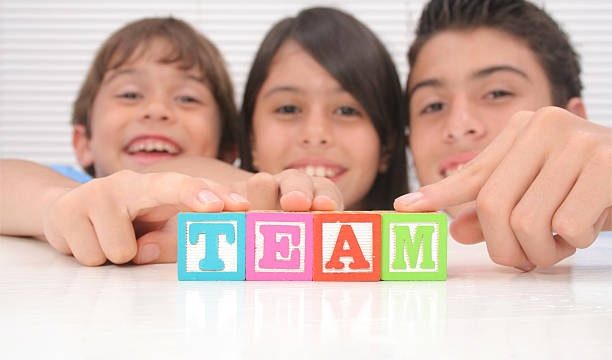
Collaboration is also a vital ingredient in the recipe for meaningful learning. When students work together on projects, they not only learn from one another but also cultivate essential social skills. Group activities encourage communication, empathy, and teamwork, all of which are critical in today’s interconnected world. By designing curricula that promote collaboration, educators can create a sense of community within the classroom, where every voice is valued, and every contribution matters.
In addition to these elements, a focus on emotional intelligence can greatly enhance the learning experience. Teaching students to recognize and manage their emotions, as well as to understand the feelings of others, fosters a supportive and inclusive environment. When students feel safe and understood, they are more likely to take risks in their learning. Integrating social-emotional learning into the curriculum helps students develop resilience, empathy, and self-awareness, all of which are essential for navigating life’s challenges.
As we reimagine curriculum design, it’s important to consider the role of technology. In our increasingly digital world, technology can serve as a powerful tool for enhancing learning. By thoughtfully integrating digital resources, educators can create interactive and engaging experiences that resonate with today’s tech-savvy students. Online platforms can facilitate collaboration, provide access to diverse resources, and allow for personalized learning experiences that adapt to individual needs.
However, it’s crucial to strike a balance. While technology can enhance learning, it should not overshadow the importance of human connection. Face-to-face interactions, mentorship, and community engagement remain irreplaceable components of meaningful education. By finding harmony between technology and traditional teaching methods, we can create a rich tapestry of learning experiences that cater to the needs of all students.
A fresh look at curriculum design also invites us to reflect on the assessment methods we use to gauge student progress. Traditional testing often focuses on rote memorization and standardized measurements, which may not accurately capture a student’s understanding or growth. By embracing alternative assessment methods, such as portfolios, presentations, and self-assessments, educators can gain deeper insights into student learning. These approaches not only provide a more comprehensive picture of a student’s abilities but also encourage reflection and self-directed learning.
As we embark on this journey of reimagining curriculum design, it’s essential to involve all stakeholders in the conversation. Teachers, parents, students, and community members all have valuable insights and experiences to share. By fostering open dialogue and collaboration, we can create a curriculum that reflects the values and aspirations of the entire community. This inclusive approach not only strengthens the educational experience but also builds a sense of ownership and pride among all participants.
In conclusion, a fresh look at curriculum design for meaningful learning is about more than just content; it’s about creating an environment where students feel valued, engaged, and empowered. By prioritizing personalization, real-world applications, collaboration, emotional intelligence, and thoughtful use of technology, we can cultivate a rich educational experience that resonates deeply with every learner. As we move forward, let us embrace the beauty of diversity and the power of connection, ensuring that every student has the opportunity to flourish in their unique learning journey. Together, we can transform education into a vibrant tapestry of experiences that inspire, nurture, and uplift.