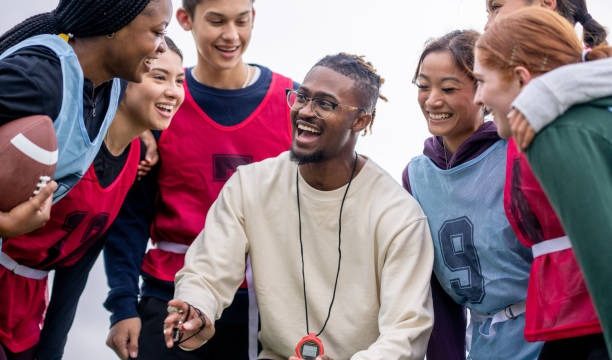
In a world that thrives on diversity, the importance of inclusive education cannot be overstated.
It’s a beautiful concept that advocates for every voice to be heard and valued, regardless of background, ability, or circumstance.
Inclusive education is not merely a system of teaching; it’s a way of life that fosters understanding, compassion, and collaboration.
When we encourage every voice, we open doors to a richer, more vibrant community where everyone can flourish.
The essence of inclusive education lies in its commitment to creating an environment where all students feel welcomed and supported. This approach recognizes that each learner brings unique experiences and perspectives to the table, enriching the educational experience for everyone involved. Imagine a classroom where students with different abilities, backgrounds, and talents come together to learn from one another. This diversity creates a dynamic atmosphere, fostering not only academic growth but also emotional and social development.
One of the most beautiful aspects of inclusive education is its focus on collaboration. When students work together, they learn to appreciate each other’s strengths and challenges. This collaborative spirit nurtures empathy and understanding, qualities that are essential in our increasingly interconnected world. By encouraging students to share their thoughts and ideas, we cultivate an environment where every voice truly matters. The result is a community that values dialogue and actively seeks to include diverse perspectives in decision-making processes.
Creating an inclusive educational environment requires thoughtful planning and a commitment to understanding the needs of all learners. It’s about recognizing that each student has a unique learning style and pace. Some may thrive in traditional settings, while others may require alternative approaches. Educators play a vital role in this process, as they are the ones who can adapt their teaching methods to meet the diverse needs of their students. When teachers feel empowered to embrace different strategies, they can create lessons that resonate with every learner.
A small shift toward balance can make a significant difference in inclusive education. By integrating various teaching methods—such as hands-on activities, group discussions, and visual aids—educators can cater to different learning preferences. This flexibility not only enhances engagement but also empowers students to take ownership of their learning. When students feel that their individual needs are acknowledged, they are more likely to participate actively and express their thoughts and ideas.
Moreover, the role of families and communities in promoting inclusive education cannot be overlooked. Families are the first teachers in a child’s life, and their involvement is crucial in reinforcing the values of inclusion and acceptance. By fostering open communication between schools and families, we can create a partnership that supports the holistic development of each child. Workshops, community events, and open houses are excellent opportunities to engage families and encourage them to share their insights and experiences.
In addition, community members can contribute to inclusive education by volunteering their time and skills. Guest speakers, mentors, and local organizations can provide valuable resources and perspectives, enriching the educational experience for students. When communities come together to support education, they create a network of encouragement that benefits everyone involved. This sense of belonging fosters resilience and confidence in students, empowering them to believe in their abilities and pursue their passions.
As we explore the concept of inclusive education, it’s essential to recognize that it extends beyond the classroom. The principles of inclusion can be applied in various aspects of life, from workplaces to social gatherings. By embracing the idea that every voice matters, we cultivate a culture of respect and understanding. This shift in mindset encourages individuals to engage with one another, listen actively, and appreciate the richness of diverse perspectives.
In our daily lives, we can practice inclusivity by being mindful of the language we use and the assumptions we make. Small gestures, such as inviting someone to share their thoughts or actively listening without interruption, can have a profound impact. It’s about creating spaces where individuals feel safe to express themselves, knowing that their contributions are valued. This practice not only enhances relationships but also nurtures a sense of belonging that is essential for personal growth.
The journey toward inclusive education is ongoing, and while challenges may arise, the rewards are immeasurable. When we commit to encouraging every voice, we pave the way for a future where all individuals can thrive. Education is a powerful tool for change, and by fostering an inclusive environment, we empower the next generation to become compassionate, open-minded leaders.
As we reflect on the importance of inclusive education, let us remember that every voice has the potential to inspire and transform. By embracing diversity and championing inclusion, we create a tapestry of experiences that enrich our communities. Together, we can build a world where everyone feels valued and empowered to contribute, ensuring that no voice goes unheard.
In this shared journey, we have the opportunity to redefine what it means to learn and grow together. By encouraging every voice through inclusive education, we not only uplift individuals but also strengthen the fabric of our society. Let us celebrate this beautiful journey and commit to nurturing a future where every voice is welcomed, valued, and cherished.