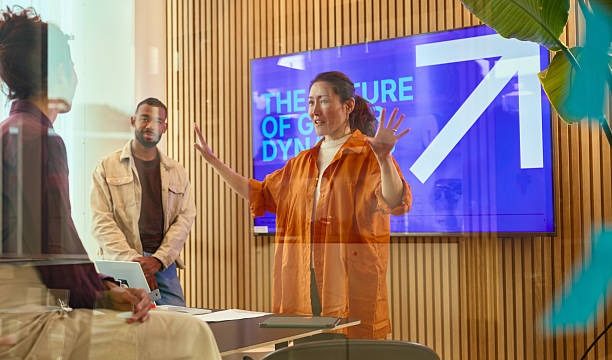
In the tapestry of education, every thread matters.
Each student brings a unique hue to the classroom, contributing to a rich and diverse learning environment.
Inclusive education is more than just a concept; it is a philosophy that recognizes and embraces this diversity.
By fostering an atmosphere where every student feels valued and understood, we can create pathways for student-centered success.
Understanding inclusive education begins with recognizing that every learner has different needs and strengths. Traditional education models often focus on a one-size-fits-all approach, which can leave some students feeling disconnected or undervalued. Inclusive education shifts this paradigm, placing the student at the center of the learning experience. It invites educators, families, and communities to collaborate in creating a supportive environment tailored to individual needs.
Creating a culture of inclusivity requires a gentle shift in perspective. It involves understanding that learning differences are not deficits but rather unique attributes that can enrich the educational landscape. When educators embrace this mindset, they open doors to innovative teaching methods that cater to diverse learning styles. Whether through visual aids, hands-on activities, or collaborative projects, inclusive practices encourage students to engage with the material in ways that resonate with them personally.
A small shift toward balance can significantly impact how students perceive their educational journey. When students feel seen and heard, their confidence flourishes. They begin to engage more actively in discussions, participate in group work, and seek help when needed. This sense of belonging can transform the classroom into a nurturing space where curiosity thrives. Educators play a pivotal role in fostering this environment, encouraging students to share their thoughts and experiences openly.
Incorporating diverse perspectives into the curriculum is also vital for inclusive education. When students see themselves reflected in the materials they study, it fosters a deeper connection to the content. Literature, history, and science can all be enriched by including voices and contributions from various cultures and backgrounds. This not only broadens students’ understanding of the world but also cultivates empathy and respect for different viewpoints.
One of the most beautiful aspects of inclusive education is its ability to create connections among students. In an inclusive classroom, differences are celebrated rather than marginalized. This environment encourages students to learn from one another, building relationships that extend beyond academic performance. When students engage in collaborative learning, they develop social skills and emotional intelligence, essential tools for success in life beyond the classroom.
As we navigate this journey toward inclusivity, the role of families cannot be overlooked. Parents and guardians are integral partners in the educational process. Open communication between educators and families creates a network of support that enhances student success. When families feel involved and informed, they can advocate for their children’s needs and contribute valuable insights into their learning styles and preferences.
Educators can also benefit from professional development opportunities focused on inclusive practices. Ongoing training equips teachers with the knowledge and tools needed to address the diverse needs of their students effectively. By staying informed about best practices and innovative strategies, educators can continually refine their approaches, ensuring that every student has the opportunity to thrive.
In the realm of technology, inclusive education finds new avenues for success. Assistive technologies can bridge gaps for students with disabilities, providing them with tools that enhance their learning experiences. From speech-to-text software to interactive learning platforms, technology can empower students to engage with content in ways that suit their individual needs. As technology evolves, so too do the possibilities for creating a more inclusive educational landscape.
The impact of inclusive education extends beyond academic achievements. When students learn in an environment that values diversity, they develop a sense of social responsibility. They become aware of the importance of inclusion and equity, fostering a generation that understands the significance of kindness and acceptance. This cultural shift can have far-reaching effects, promoting a more compassionate society.
As we reflect on the journey toward inclusive education, it is essential to recognize that this is an ongoing process. Achieving true inclusivity requires commitment and collaboration from all stakeholders—educators, families, communities, and policymakers. By working together, we can create a future where every student feels valued, heard, and empowered to reach their fullest potential.
Ultimately, the goal of inclusive education is to cultivate a love for learning that lasts a lifetime. When students feel supported and understood, they are more likely to embrace challenges and pursue their passions. By nurturing a sense of belonging within the classroom, we equip students with the resilience and confidence needed to navigate the complexities of life beyond school.
In conclusion, inclusive education is a beautiful journey toward student-centered success. By embracing diversity and fostering a supportive environment, we can transform the educational experience for all learners. Let us celebrate the unique contributions of every student and work together to create classrooms that reflect the richness of our world. Through compassion, understanding, and collaboration, we can pave the way for a brighter, more inclusive future for generations to come.