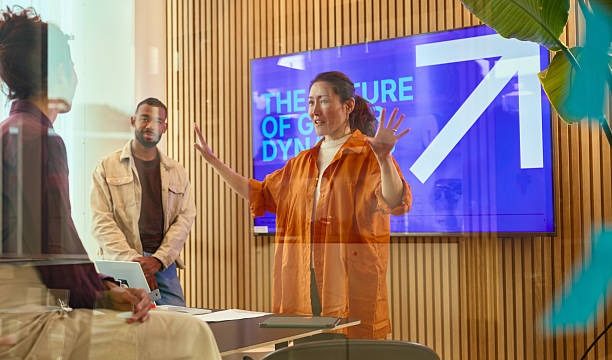
Creating a vibrant and engaging classroom environment is a goal shared by many educators.
The concept of an active classroom focuses on fostering participation, interaction, and a sense of community among students.
One of the most effective ways to achieve this is through thoughtful lesson plan development. Crafting lessons that inspire curiosity and encourage movement can transform the learning experience, making it not only more enjoyable but also more effective.
A gentle shift toward engagement
When developing lesson plans for active classrooms, it’s essential to consider the various ways students learn. Each child has a unique style and pace, and recognizing this diversity is the first step toward creating a more inclusive environment. Incorporating various teaching methods—such as visual aids, hands-on activities, and group discussions—can cater to different learning preferences. This approach not only keeps students engaged but also helps them absorb information in ways that resonate with them.
The integration of movement into lessons can be a game-changer. Simple adjustments, like allowing students to stand or move around during discussions, can enhance focus and retention. For instance, transforming a traditional lecture into a collaborative group project encourages students to share ideas and learn from one another. When students feel active and involved, they are more likely to take ownership of their learning journey.
Nurturing creativity through flexibility
Flexibility is another key component of successful lesson planning for active classrooms. While structure is important, allowing room for spontaneity can lead to unexpected and delightful learning moments. Teachers can set a basic framework for lessons but remain open to exploring new directions based on student interests and questions. This adaptability not only keeps lessons fresh but also empowers students to take the lead in their learning, fostering a sense of agency.
Incorporating elements of play can also enhance creativity in lesson plans. Activities that allow for exploration and experimentation, such as science experiments or art projects, invite students to engage in learning through playful discovery. This not only makes lessons more enjoyable but also deepens understanding as students connect concepts to real-world experiences.
Creating a sense of community
An active classroom thrives on collaboration and connection. Building a sense of community among students is essential for creating a supportive learning environment. Encouraging teamwork through group activities helps students develop communication skills and fosters friendships. Simple practices, such as starting each class with a brief sharing session, can create a warm atmosphere where students feel safe to express themselves.
Incorporating cooperative learning strategies, where students work together to solve problems or complete projects, reinforces this sense of community. This not only enhances social skills but also allows students to learn from one another, enriching the educational experience. When students see themselves as part of a collective effort, their motivation and commitment to learning can flourish.
Mindfulness and reflection
A mindful approach to lesson planning can significantly enhance the learning experience in an active classroom. Incorporating moments of reflection, whether through journaling or group discussions, encourages students to process their thoughts and feelings. This practice not only deepens their understanding of the material but also nurtures emotional awareness.
Mindfulness techniques, such as guided breathing exercises or brief meditation sessions, can also be integrated into the classroom routine. These practices help students cultivate focus and calm, creating a more conducive environment for learning. When students are present and engaged, they are more likely to absorb information and participate actively in discussions.
Embracing technology
In today’s digital age, integrating technology into lesson plans can further enhance the active classroom experience. Educational tools and resources, such as interactive apps or online platforms, can make learning more dynamic and accessible. Technology can facilitate collaboration, allowing students to work together on projects even from different locations.
However, it’s important to find a balance. While technology can be a powerful ally, it’s essential to ensure that it complements rather than replaces traditional learning methods. Encouraging students to engage in both digital and hands-on activities creates a rich tapestry of learning experiences.
A focus on holistic development
When developing lesson plans for active classrooms, it’s essential to consider the whole child. Academic success is important, but emotional and social well-being play a crucial role in a student’s overall development. Incorporating social-emotional learning into lesson plans can help students develop resilience, empathy, and self-awareness.
Activities that promote emotional intelligence, such as role-playing or discussing diverse perspectives, can enrich students’ understanding of themselves and others. This holistic approach not only prepares students for academic success but also equips them with essential life skills that will serve them well beyond the classroom.
The journey of continuous improvement
Lesson plan development is not a one-time task; it’s an ongoing journey of reflection and improvement. Gathering feedback from students about what works well and what doesn’t can provide valuable insights for future lessons. Observing how students respond to different activities can also inform adjustments and enhancements.
Creating a culture of feedback encourages open communication and demonstrates to students that their opinions matter. This collaborative approach not only improves lesson effectiveness but also reinforces the idea that learning is a shared journey.
In conclusion, developing lesson plans for active classrooms is a rewarding endeavor that can significantly enhance the learning experience. By fostering engagement, nurturing creativity, and building a sense of community, educators can create a vibrant environment where students thrive. Embracing flexibility, mindfulness, and technology, while focusing on the holistic development of each child, ensures that learning is not just an academic pursuit but a joyful exploration of the world around them. As educators embark on this journey, they will undoubtedly find that the active classroom is not just a space for learning; it’s a nurturing haven for growth, connection, and discovery.