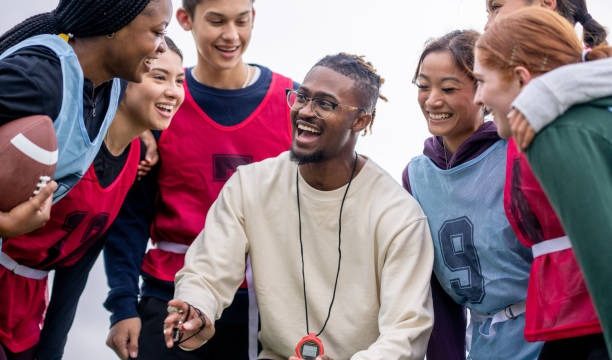
In the tapestry of education, every thread contributes to a vibrant and meaningful design.
The journey through school can be a joyful experience for all students, especially when inclusive education is woven into the fabric of learning.
This approach not only enriches the lives of those who need additional support but also enhances the classroom experience for every student, creating a harmonious environment where diversity is celebrated.
Inclusive education is not merely about integrating students with disabilities into mainstream classrooms; it embodies a philosophy that values each individual’s uniqueness. It recognizes that every child brings their own set of strengths, perspectives, and challenges, which can enrich the learning experience for everyone. When we embrace this philosophy, we create a nurturing environment that fosters understanding, empathy, and collaboration.
A small shift toward balance can have a profound impact on how students perceive themselves and their peers. In an inclusive classroom, students learn to appreciate differences rather than view them as obstacles. This shift encourages a culture of kindness and respect, where students support one another in their educational journeys. For instance, a child who may struggle with certain subjects can shine in areas where they excel, inspiring their classmates to recognize the value of diverse talents.
Building a community within the classroom involves more than just physical arrangements; it requires intentional efforts to cultivate relationships. Teachers play a vital role in this process, often serving as the guiding light that fosters connections among students. By promoting open dialogue and encouraging teamwork, educators can create a safe space where students feel comfortable expressing themselves. This environment not only enhances academic performance but also nurtures emotional well-being.
As students engage in collaborative projects, they learn essential life skills such as communication, problem-solving, and empathy. These are not just academic skills; they are the building blocks of meaningful relationships in the real world. When students work together, they learn to view challenges from multiple perspectives, which can lead to more innovative solutions. This collaborative spirit can transform the classroom into a microcosm of society, preparing students for future interactions in a diverse world.
In addition to the social and emotional benefits, inclusive education also provides opportunities for personal growth. Students with disabilities or different learning styles often develop resilience and adaptability as they navigate the challenges of a traditional classroom. Their peers, in turn, gain valuable insights into perseverance and the importance of support. This reciprocal learning process enriches the educational experience for everyone involved.
Creating a joyful school journey also involves incorporating various teaching methods that cater to different learning styles. Whether through visual aids, hands-on activities, or group discussions, diverse approaches can engage all students and help them grasp complex concepts. This adaptability not only enhances understanding but also fosters a love for learning that can last a lifetime.
As we consider the role of parents and guardians in this journey, their involvement is crucial. Parents can advocate for inclusive practices in schools and support their children’s learning at home. Open communication between parents and teachers can create a partnership that benefits students immensely. When families are engaged, children tend to feel more supported and confident in their abilities, further enhancing their educational experiences.
The impact of inclusive education extends beyond the classroom walls. As students learn to appreciate diversity and inclusivity, they carry these values into their communities. Such understanding fosters a generation that is more compassionate, accepting, and understanding of differences. This cultural shift can lead to a more harmonious society, where individuals are celebrated for their unique contributions.
While the benefits of inclusive education are clear, it is essential to acknowledge that this journey is not without its challenges. Schools must be equipped with the necessary resources and training to support all learners effectively. Educators need ongoing professional development to understand the diverse needs of their students and to implement inclusive strategies successfully. Additionally, schools must foster a culture that prioritizes inclusivity, ensuring that it is not merely an afterthought but rather an integral part of the educational philosophy.
In recent years, many schools have made significant strides toward inclusivity, but there is always room for growth. By continuously seeking ways to improve and adapt, educators can create an environment where every child feels valued and empowered. This commitment to inclusivity not only benefits students with disabilities but enriches the educational landscape for all learners.
As we reflect on the joyful journey of education, it is essential to recognize the power of community. The collaboration between teachers, parents, and students creates a supportive network that amplifies the impact of inclusive practices. Together, we can foster an environment where each child feels seen, heard, and celebrated for who they are.
In conclusion, the journey through school can be a joyful and enriching experience when inclusive education is embraced. By nurturing a culture of understanding, empathy, and collaboration, we can create classrooms that reflect the beauty of diversity. As we move forward, let us commit to fostering inclusive environments that not only enhance academic success but also prepare our children to thrive in a diverse world. Together, we can make every school day a celebration of learning, growth, and connection.