In recent years, the conversation around inclusive education has gained significant traction, reflecting a growing recognition of its importance in fostering collaborative success.
At its core, inclusive education is about creating an environment where every learner, regardless of their background or abilities, feels valued and supported.
This approach not only enhances individual growth but also cultivates a sense of community among students, educators, and families alike.
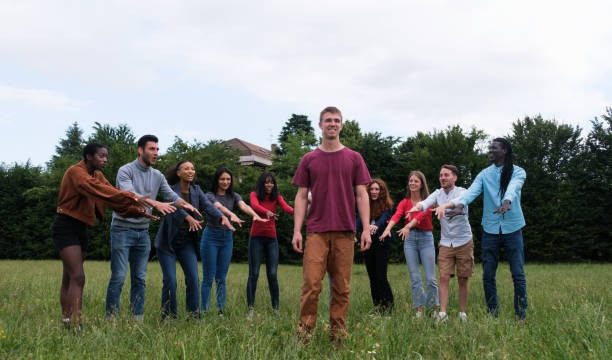
The essence of inclusive education lies in its commitment to diversity. Every classroom is a melting pot of unique backgrounds, perspectives, and experiences. By embracing this diversity, educators can create a rich tapestry of learning that benefits everyone involved. When students see their own identities reflected in the curriculum and feel a sense of belonging, it fosters an environment where they can thrive. This is particularly important in a world that often emphasizes differences rather than commonalities.
A small shift toward balance can make a world of difference in how education is perceived and experienced. Traditional educational models often focus on standardization, which can inadvertently marginalize students who do not fit the mold. Inclusive education challenges this notion, advocating for personalized learning experiences that cater to the individual needs of each student. By recognizing that everyone learns differently, educators can implement strategies that promote engagement and understanding, allowing every learner to shine in their own way.
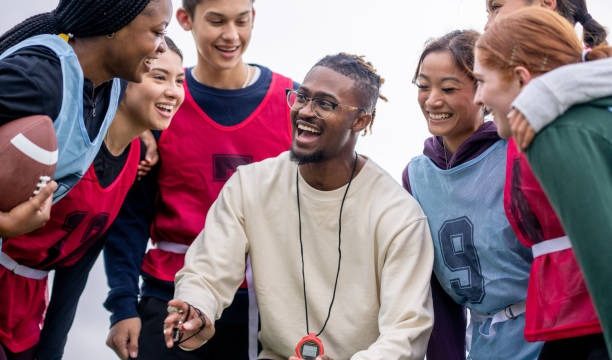
Collaboration is a cornerstone of inclusive education. When educators, families, and communities come together, the potential for success multiplies. Teachers play a pivotal role in this collaborative process, working closely with special education professionals, counselors, and parents to develop tailored strategies that support all learners. This teamwork not only enriches the educational experience but also builds a network of support that extends beyond the classroom.
The role of families in this collaborative effort cannot be overstated. When parents are actively involved in their child’s education, it creates a powerful partnership that enhances learning outcomes. Schools that foster open communication with families create an environment where concerns can be addressed, and successes can be celebrated. This partnership often leads to increased confidence in students, as they feel supported both at home and at school.
Creating an inclusive classroom involves more than just physical arrangements; it requires a shift in mindset. Educators are encouraged to reflect on their own biases and assumptions, ensuring that they approach each student with empathy and understanding. By fostering an atmosphere of respect and kindness, teachers can model positive behaviors that students are likely to emulate. This nurturing environment encourages students to collaborate with one another, developing essential social skills that will serve them well beyond their school years.
Inclusion also extends to the curriculum itself. Integrating diverse voices and perspectives into lesson plans enriches the learning experience for all students. By exposing learners to a variety of cultures, histories, and viewpoints, educators can cultivate critical thinking and empathy. This not only prepares students for an increasingly interconnected world but also encourages them to appreciate the richness of human experience.
As we explore the concept of inclusive education, it’s important to acknowledge the role of technology in facilitating collaboration. Digital tools can enhance communication and provide alternative avenues for learning, making education more accessible for all. For instance, assistive technologies can support students with disabilities, ensuring they have equal opportunities to participate in classroom activities. By leveraging these tools, educators can create an inclusive environment that empowers every learner to reach their full potential.
The benefits of inclusive education extend beyond the classroom. When students learn to work collaboratively with peers from diverse backgrounds, they develop essential life skills such as teamwork, problem-solving, and adaptability. These skills are invaluable in today’s global society, where collaboration across cultures and disciplines is increasingly important. By embracing inclusive practices, we are not only preparing students for academic success but also equipping them to thrive in an ever-changing world.
While the journey toward inclusive education may present challenges, the rewards are profound. A commitment to inclusivity fosters a culture of belonging, where every student feels seen, heard, and valued. This sense of belonging can significantly impact a student’s academic performance and emotional well-being. When learners feel supported in their environment, they are more likely to take risks, ask questions, and engage deeply with the material.
As we continue to advocate for inclusive education, it is essential to celebrate the small victories along the way. Each step toward a more inclusive classroom is a step toward a brighter future for all students. By recognizing and valuing the contributions of every learner, we build a foundation for collaborative success that benefits not just individuals but society as a whole.
In this journey, it’s important for educators and advocates to remain patient and persistent. Change takes time, and the path to inclusivity requires ongoing reflection and adaptation. By fostering a culture of continuous improvement, schools can evolve to meet the needs of all students, ensuring that every learner has the opportunity to succeed.
Ultimately, inclusive education is about more than just academic achievement; it’s about nurturing a sense of community and belonging. As we work together to create inclusive environments, we are not only paving the way for individual success but also fostering a society that values diversity and collaboration. In doing so, we take meaningful steps toward a future where every learner can thrive, contributing their unique gifts to the world.