As the morning sun spills its golden light into classrooms across the country, the concept of inclusive education blooms like a vibrant garden.
It’s not just a trend; it’s a philosophy that nurtures the unique potential of every student.
Inclusive education is about creating meaningful school experiences that embrace diversity, fostering environments where all children can thrive together.
The essence of inclusive education lies in its recognition that every child is different, with their own strengths, challenges, and dreams. Rather than fitting students into a one-size-fits-all model, inclusive classrooms adapt to meet individual needs. This approach not only benefits students with disabilities but enriches the educational landscape for everyone. When children learn alongside their peers, they gain more than just academic knowledge; they cultivate empathy, respect, and a sense of community.
A gentle shift toward balance can be observed in schools that prioritize inclusion. Teachers are becoming more adept at differentiating instruction, tailoring their teaching methods to accommodate diverse learning styles. This could mean providing visual aids for visual learners, offering hands-on activities for kinesthetic learners, or allowing for flexible assessments. Such strategies create an environment where every student feels valued and understood, allowing them to engage meaningfully with the curriculum.
The importance of collaboration cannot be overstated in this journey toward inclusivity. Educators, parents, and specialists often come together to share insights and strategies. This teamwork is essential, as it helps to build a comprehensive support network for students. When parents are involved, their perspectives enrich the educational experience, ensuring that schools remain attuned to the needs of each child. This collaboration fosters a culture of openness and understanding, where everyone works together toward a common goal.
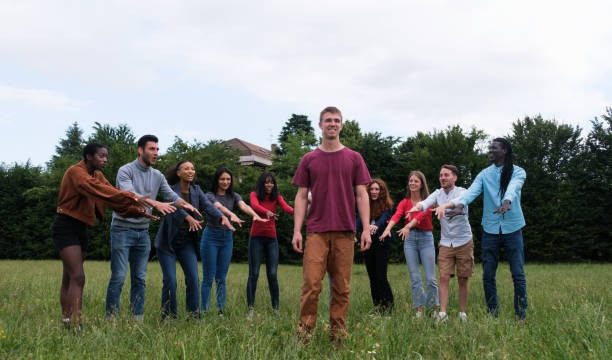
In inclusive classrooms, the social dynamics shift as well. Students learn to appreciate differences, to celebrate what makes each of their classmates unique. Friendships blossom in these settings, as children discover common interests and shared experiences. They learn to look beyond labels and stereotypes, understanding that everyone has something valuable to contribute. This aspect of inclusive education lays the groundwork for a more compassionate society, where individuals are respected and valued for who they are.
However, the journey toward inclusive education is not without its challenges. There can be resistance to change, often rooted in fear or misunderstanding. Educators may feel unprepared to meet the diverse needs of their students, while parents might worry about the implications for their child’s education. It’s important to address these concerns with empathy and open dialogue. Professional development opportunities for teachers can help build confidence and skills, while community workshops can educate families about the benefits of inclusion.
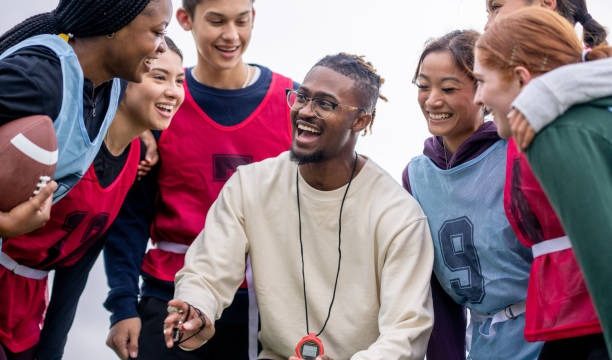
Creating inclusive spaces also extends beyond the classroom walls. Schools can foster a sense of belonging through extracurricular activities that accommodate all students. Whether it’s sports, art, or music, these programs allow children to explore their passions while forging connections with others. When children see themselves reflected in the activities offered, it enhances their sense of identity and belonging.
As we explore the concept of meaningful school experiences, it’s crucial to acknowledge the role of policy and advocacy. Schools that champion inclusive education often have supportive policies in place that prioritize equity and access. Advocacy groups play a vital role in pushing for systemic changes that promote inclusion at all levels. By working together, educators and advocates can create an educational landscape that values diversity and ensures that no child is left behind.
The ripple effects of inclusive education extend far beyond the school day. Children who experience inclusion learn valuable life skills that prepare them for the world ahead. They develop resilience, adaptability, and a sense of responsibility toward their peers. These traits are essential in today’s interconnected society, where collaboration and understanding are paramount.
Inclusion also fosters innovation and creativity. When students from diverse backgrounds come together, they bring a multitude of perspectives and ideas. This blend of experiences can lead to richer discussions, more creative problem-solving, and a deeper understanding of the world. By embracing inclusivity, schools become incubators for the next generation of thinkers and leaders.
As we reflect on the journey of inclusive education, it becomes clear that it is about much more than just academic achievement. It’s about nurturing the whole child and fostering a sense of belonging that empowers students to reach their full potential. The beauty of inclusive education lies in its ability to create a tapestry of experiences, woven together by the threads of understanding and acceptance.
In conclusion, inclusive education is a powerful catalyst for meaningful school experiences. It invites us to look beyond traditional boundaries and embrace the richness that diversity brings. By fostering environments where every child feels valued, we not only enhance individual learning but also cultivate a more compassionate society. As we continue to advocate for inclusion, let us remember the profound impact it has on the lives of students, families, and communities. Together, we can create a future where every child can shine brightly, contributing their unique light to the world.