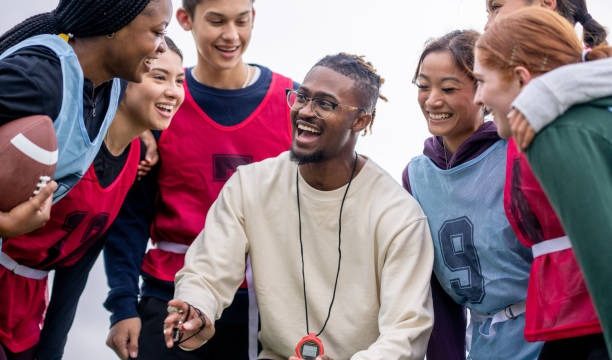
In the heart of every classroom lies a world of potential, a mosaic of unique minds ready to learn, grow, and connect.
Inclusive education serves as a bridge that not only nurtures academic achievement but also fosters the development of positive student relationships.
As we explore this enriching approach, we can uncover the many ways it enhances the educational landscape, creating a community where every voice is heard and valued.
The essence of inclusive education is rooted in the belief that diversity enriches the learning experience. When students from various backgrounds, abilities, and experiences come together, they create a vibrant tapestry of perspectives. This diversity can be a powerful catalyst for empathy and understanding. By learning alongside peers who may have different abilities or come from different cultures, students are encouraged to step outside their own experiences and embrace the beauty of differences.
In an inclusive setting, students develop not only academically but socially and emotionally. They learn to communicate effectively, collaborate with others, and navigate the complexities of interpersonal relationships. These skills are invaluable, equipping them to thrive in an increasingly interconnected world. When students engage with one another, they cultivate a sense of belonging that transcends the classroom walls.
Creating an inclusive classroom environment requires thoughtful planning and a commitment to understanding each student’s unique needs. Teachers play a pivotal role in this process, serving as guides who facilitate connections among students. By employing various teaching strategies, educators can ensure that all students have access to the curriculum. This might mean adapting lessons to cater to different learning styles or providing additional support to those who need it. The goal is to create an atmosphere where everyone feels safe to express themselves and participate fully.
A small shift toward balance can significantly impact the dynamics of a classroom. When teachers prioritize inclusivity, they model behaviors that encourage respect and kindness. Students learn to appreciate one another’s strengths and support each other in areas of challenge. This collaborative spirit fosters friendships that can last a lifetime, teaching students the importance of teamwork and collaboration.
Peer relationships are often the cornerstone of a positive educational experience. Inclusive education provides ample opportunities for students to form bonds with their classmates. Group projects, cooperative learning activities, and peer mentoring programs are just a few ways students can connect on a deeper level. These shared experiences create memories that enrich their school journey, allowing them to celebrate successes together and navigate challenges as a united front.
The emotional benefits of inclusive education extend beyond the classroom as well. Students who feel accepted and valued are more likely to develop a positive self-image. They learn that their contributions matter, fostering a sense of confidence that can influence their interactions with others. This confidence translates into healthier relationships, as students become more open to forming connections based on mutual respect and understanding.
As students build these positive relationships, they also learn the importance of advocacy and allyship. In an inclusive environment, students are encouraged to support one another, stand up against bullying, and celebrate differences. This culture of respect not only enhances the classroom experience but also prepares students to be compassionate leaders in their communities. They carry these lessons with them, influencing their interactions long after they leave the classroom.
The journey toward inclusive education is not without its challenges. It requires ongoing reflection, professional development, and a willingness to adapt. However, the rewards are profound. When schools commit to inclusivity, they create a ripple effect that extends beyond academic success. Students learn to navigate the complexities of human relationships, building skills that will serve them throughout their lives.
Community involvement is another crucial aspect of fostering positive student relationships within inclusive education. When families and community members are engaged in the educational process, students feel a stronger sense of belonging. Schools can host events that bring families together, allowing them to share their cultures and experiences. Such gatherings can create a sense of unity, reinforcing the idea that everyone plays a vital role in the educational journey.
Furthermore, inclusive education encourages collaboration among educators, specialists, and support staff. By working together, these individuals can create a comprehensive support system for students. This collaborative approach not only benefits students with diverse needs but also enriches the professional development of teachers. They learn from one another, sharing strategies and insights that enhance their teaching practices.
As we reflect on the impact of inclusive education, it’s essential to remember that the goal is not merely to accommodate but to celebrate the unique contributions of every student. When students feel seen and heard, they are more likely to engage actively in their learning. This engagement fosters a positive classroom environment where relationships flourish, and students feel empowered to reach their full potential.
In a world that often emphasizes differences, inclusive education serves as a reminder of our shared humanity. It teaches students that they are part of a larger community, one that thrives on connection and understanding. By embracing inclusivity, we can create a brighter future for our students, where positive relationships become the foundation for lifelong learning and personal growth.
As we move forward, let us continue to champion inclusive practices in education. Together, we can nurture a generation of empathetic, compassionate individuals who understand the importance of lifting one another up. The journey toward inclusivity is ongoing, but with each step, we pave the way for a more connected, understanding, and harmonious world.