In the vibrant tapestry of modern education, the thread of inclusivity weaves a powerful narrative of empowerment and care.
Inclusive education is not merely a trend; it is a profound philosophy that embraces diversity and champions the unique strengths of every student.
In this harmonious environment, learners are not just recipients of knowledge but active participants in their educational journeys, fostering not only academic success but also personal growth and self-advocacy.
A gentle shift toward understanding
At its core, inclusive education recognizes that every student has distinct needs, abilities, and experiences. This approach is grounded in the belief that diversity enriches the learning experience. When classrooms reflect the varied backgrounds and abilities of their students, they become vibrant ecosystems where empathy and collaboration flourish. Teachers, parents, and communities are all integral to this process, fostering an environment where every learner feels valued and understood.
Creating a culture of belonging is essential. When students see themselves represented in their curriculum and feel supported by their peers and educators, they are more likely to engage fully in their education. This sense of belonging empowers learners to express themselves, take risks, and develop the confidence to pursue their passions. It is within this nurturing space that students can thrive academically and socially, leading to a more profound sense of self-worth and identity.
Empowerment through collaboration
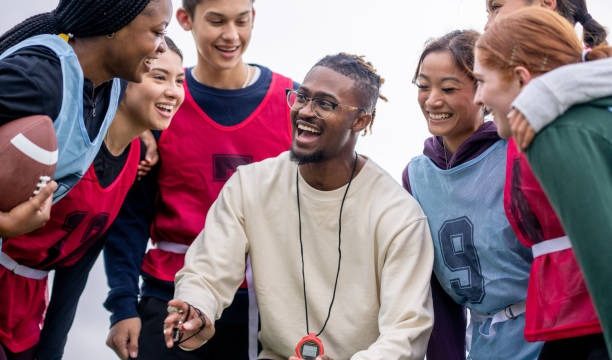
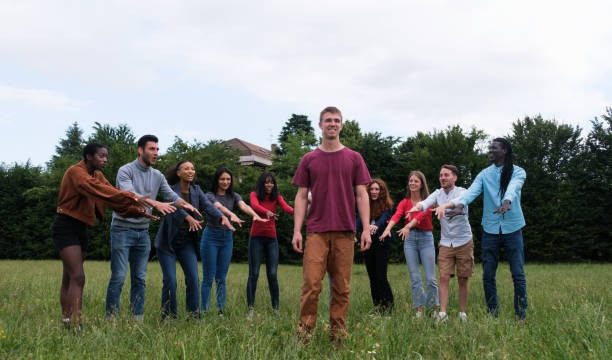
In inclusive educational settings, collaboration plays a pivotal role. Students learn not only from their teachers but also from one another. When learners work together, they not only share knowledge but also cultivate essential life skills such as communication, teamwork, and problem-solving. These interactions help break down barriers and foster understanding, creating a rich tapestry of human connection that extends beyond the classroom.
Furthermore, educators equipped with training in inclusive practices are better prepared to meet the diverse needs of their students. They employ various teaching strategies tailored to different learning styles, ensuring that every child has access to the same opportunities. This commitment to professional development reflects a dedication to lifelong learning, a principle that resonates deeply in the world of education.
Fostering resilience and adaptability
Inclusive education also nurtures resilience. When students face challenges, they learn to adapt and find creative solutions. This journey of overcoming obstacles fosters a growth mindset, where failures are viewed as stepping stones to success. In an inclusive classroom, mistakes become valuable learning experiences, teaching students that perseverance is a vital skill.
Additionally, students with diverse abilities often develop a heightened sense of empathy. They learn to appreciate different perspectives and recognize the strengths that each individual brings to the table. This understanding not only enriches their educational experience but also prepares them for a world that thrives on collaboration and inclusivity.
The role of families and communities
The journey toward inclusive education is a shared responsibility that extends beyond the classroom. Families play a crucial role in advocating for their children’s needs and fostering a culture of acceptance. When parents are engaged in their children’s education, it creates a powerful partnership with educators. This collaboration ensures that students receive consistent support both at home and in school, reinforcing the values of empowerment and care.
Communities also have a vital part to play. Local organizations, businesses, and volunteers can contribute to inclusive initiatives by providing resources, mentorship, and opportunities for students to engage in real-world experiences. These efforts create a network of support that nurtures the growth and development of all learners.
A vision for the future
As we look to the future, the vision of inclusive education is one of hope and possibility. By prioritizing the unique needs and strengths of every student, we can create an educational landscape that is truly reflective of our diverse society. This approach not only benefits individuals but also enriches communities as a whole.
Imagine a world where every child feels seen, heard, and empowered to reach their full potential. Where classrooms are safe spaces for exploration, creativity, and collaboration. This vision is attainable when we commit to fostering inclusive practices in our schools and communities.
The journey toward inclusive education is ongoing, requiring dedication, compassion, and a willingness to learn from one another. By embracing the principles of empowerment and care, we can cultivate a culture that values diversity and nurtures the potential of every learner.
In this shared journey, we find strength in our differences and a deeper understanding of the human experience. Inclusive education is not just a goal; it is a way of life that celebrates the richness of our shared humanity. As we move forward, let us continue to champion this cause, ensuring that every student has the opportunity to thrive and contribute to a brighter, more inclusive future.
In every classroom, there lies the potential for transformation—not just for students, but for educators, families, and communities. Together, we can create an environment where every learner is empowered to shine, fostering a world that values compassion, understanding, and the beauty of diversity. Embracing this path leads us toward a more equitable and just society, where everyone has the chance to flourish.