Special Education That Inspires Daily Progress
In a world that constantly evolves, the importance of nurturing every individual’s potential is paramount.
Special education serves as that nurturing ground, a unique space where tailored approaches enable children to thrive.
It’s not just about meeting educational standards; it’s about inspiring daily progress in ways that resonate deeply with each child’s unique abilities and dreams.
Creating a nurturing environment is one of the core tenets of special education. This environment goes beyond the classroom walls, extending into the community and home. It is a place where every child feels valued and understood, where their individual needs are met with compassion and creativity. The heart of special education lies in recognizing that each child is a tapestry of strengths and challenges, and this recognition fosters an atmosphere where growth can flourish.
A small shift toward balance can have profound effects. For many students with special needs, traditional educational methods may feel overwhelming or out of reach. The beauty of special education is its flexibility. Educators and caregivers can adapt teaching methods, materials, and environments to suit the learning styles of each child. This personalized approach allows children to engage with the material in a way that feels comfortable and motivating, paving the way for meaningful progress.
Incorporating various teaching strategies can make learning more accessible and enjoyable. For instance, hands-on activities can be particularly effective for children who thrive on visual and tactile experiences. By engaging in interactive lessons, students can connect concepts to real-life scenarios, making learning relevant and memorable. When children see the practical applications of what they’re learning, it ignites a spark of curiosity that fuels further exploration.
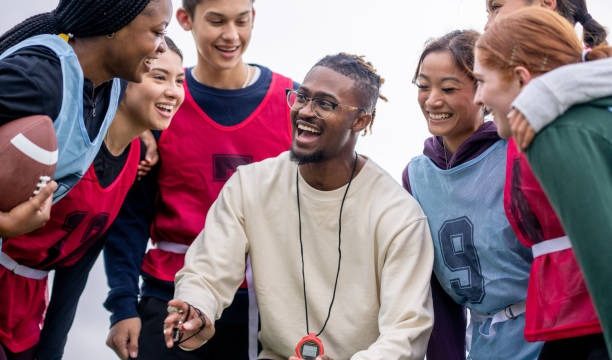
Another essential aspect of inspiring daily progress in special education is the emphasis on social and emotional learning. Building relationships is crucial, as it fosters a sense of belonging and security. When children feel safe and accepted, they are more likely to take risks in their learning. Educators often incorporate group activities that encourage collaboration, communication, and empathy. These interactions not only enhance academic skills but also cultivate essential life skills that will serve students well beyond their school years.
Support from families plays a vital role in this journey. When parents and caregivers are involved, it creates a strong support system that reinforces the lessons learned in school. Open lines of communication between educators and families allow for a holistic approach to each child’s development. Sharing successes, challenges, and strategies fosters a partnership that empowers children to progress at their own pace. This collaboration can take many forms, from regular check-ins to workshops that equip parents with tools to support learning at home.
Celebrating small victories is a cornerstone of this educational philosophy. In special education, progress can often look different than traditional benchmarks. It may not always be about grades or standardized tests; instead, it can manifest as improved social interactions, increased independence, or a newfound enthusiasm for learning. Recognizing and celebrating these achievements, no matter how small, reinforces a child’s sense of accomplishment. It instills confidence and motivation, encouraging them to embrace the next challenge with optimism.
The role of technology in special education cannot be overlooked. Innovative tools and resources have transformed the way educators approach learning. Assistive technologies, such as speech-to-text software or interactive apps, can bridge gaps and enhance communication skills. These tools provide personalized learning experiences that cater to individual needs, allowing students to engage with educational content in ways that were previously unimaginable. As technology continues to advance, the possibilities for fostering growth in special education are boundless.
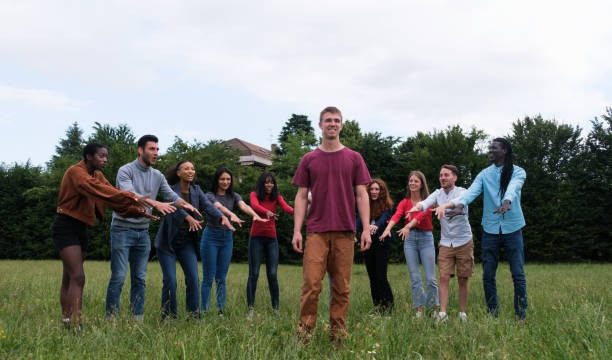
Building a community of support is also essential. Schools that prioritize inclusivity often create environments where students with special needs can interact with their peers. This interaction fosters understanding and acceptance, breaking down barriers and stereotypes. When children learn together, they not only gain academic skills but also develop a sense of empathy and respect for diversity. These experiences lay the foundation for a more compassionate society, where every individual is valued for their unique contributions.
As we reflect on the journey of special education, it’s clear that the focus is on more than just academic success. It’s about nurturing each child’s potential and inspiring them to embrace their individuality. The path may be filled with challenges, but it is also rich with opportunities for growth and connection. Each day presents a chance to celebrate progress, no matter how small, and to remind children that they are capable of achieving their dreams.
Ultimately, special education is a commitment to fostering an environment where every child can thrive. It is a promise to recognize their strengths, support their challenges, and celebrate their unique journeys. By creating a foundation of understanding, compassion, and personalized learning, we can inspire daily progress that empowers children to shine in their own beautiful ways. The future is bright, and with the right support, every child can embark on a journey filled with possibilities, hope, and success.