In a world that often feels divided, the conversation around inclusive special education offers a refreshing glimpse of hope and possibility.
As we navigate the complexities of diverse learning needs, many educators, families, and advocates are coming together to create a more inclusive environment for all students.
This hopeful vision is not just about compliance with laws or policies; it’s about fostering a genuine sense of belonging and understanding in our schools.
The beauty of inclusive special education lies in its core principle: every child deserves the opportunity to learn and thrive in an environment that recognizes and celebrates their unique strengths. When we think about education, we often picture a one-size-fits-all approach. However, the reality is that each child is as unique as a fingerprint, with individual needs, talents, and challenges. This is where the magic of inclusion comes into play.
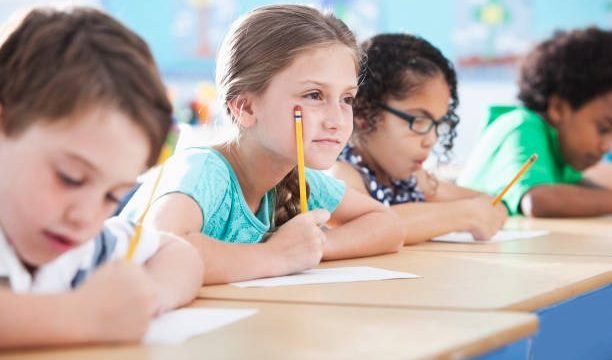
Creating an inclusive classroom is akin to weaving a rich tapestry. Each thread represents a different student, contributing to a vibrant, cohesive whole. Educators play a pivotal role in this process, acting as skilled artisans who carefully intertwine diverse learning styles and needs. By embracing varied teaching methods, such as differentiated instruction and collaborative learning, teachers can create a nurturing space where all students feel valued and understood.
A small shift toward balance can make a significant difference in how inclusive education is perceived and implemented. When educators receive proper training and resources, they are better equipped to meet the diverse needs of their students. This professional development is not merely a checkbox on a to-do list; it is an investment in the future of education. By fostering a culture of continuous learning for teachers, we enhance their ability to connect with every child, ensuring that no one is left behind.
Moreover, the role of families in this journey cannot be overstated. Parents and guardians are the first advocates for their children and bring invaluable insights into their unique needs. When schools actively engage with families, they create a partnership that enriches the educational experience. Open communication fosters trust and collaboration, allowing educators to better understand the challenges and strengths of each child. Together, families and schools can craft individualized education plans that truly reflect the child’s potential.
As we envision a more inclusive future, we must also consider the broader community. Friends, neighbors, and local organizations can play a vital role in supporting inclusive education initiatives. Community events that celebrate diversity and promote understanding can help dismantle stigma and foster acceptance. When students see that their peers are supported not just in school but also in their neighborhoods, it reinforces the idea that inclusion is a shared responsibility.
The power of peer relationships cannot be overlooked in this context. Building friendships among students of varying abilities enriches the classroom experience for everyone. When children learn to appreciate and celebrate differences, they develop empathy and compassion—qualities that extend far beyond the classroom. Inclusive practices encourage students to be more than just passive observers; they become active participants in a community that values every member.
As we look toward the future of inclusive special education, technology also holds promise. Assistive tools and resources can bridge gaps and provide tailored support for students with unique learning needs. From speech-to-text software to interactive learning apps, technology can empower students to engage with the curriculum in ways that resonate with them. Moreover, these tools can enhance collaboration among students, allowing them to work together on projects and share their perspectives in meaningful ways.
However, it’s crucial to remember that technology should complement, not replace, the human connection that is so vital to education. The heart of inclusive special education lies in relationships—between teachers and students, among peers, and between families and schools. Building these connections takes time and effort, but the rewards are immeasurable. When students feel connected, they are more likely to participate actively in their learning and take pride in their accomplishments.
Another essential aspect of fostering an inclusive environment is promoting social-emotional learning. Teaching students about emotions, resilience, and interpersonal skills can create a more compassionate atmosphere in the classroom. When children learn to express their feelings and empathize with others, they contribute to a positive culture that embraces diversity. This holistic approach to education nurtures not only academic growth but also personal development, equipping students with the skills they need to navigate the world beyond the classroom.
In this hopeful vision for inclusive special education, we recognize that challenges will arise. There will be bumps along the way, and not every strategy will work for every child. However, it’s essential to approach these challenges with a spirit of curiosity and a commitment to continual improvement. By remaining open to new ideas and methods, educators and families can adapt and refine their approaches, ensuring that every child has the chance to shine.
Ultimately, the journey toward inclusive special education is one of love, patience, and understanding. It’s about creating a world where every child feels seen and heard, where differences are celebrated, and where learning is a shared adventure. As we work together—educators, families, and communities—we can build a brighter future for all students, one that embodies the true essence of inclusion.
With each small step we take toward this vision, we contribute to a more compassionate society, where diversity is not just acknowledged but embraced. The hope for inclusive special education is not just a dream; it is a commitment to nurturing every child’s potential and fostering a sense of belonging that lasts a lifetime.