In a world that often prioritizes uniformity, the beauty of learning differences can sometimes feel overshadowed.
Yet, these differences are not simply challenges to be overcome; they are unique facets of human experience that contribute to a richer tapestry of knowledge and creativity.
Embracing a supportive approach to learning differences can foster an environment where everyone thrives, and individuals can unlock their full potential.
Understanding learning differences begins with compassion. Every learner has a distinct set of strengths and struggles. Some may excel in creative thinking, while others might shine in analytical tasks. Acknowledging that these variances exist is the first step toward crafting an inclusive atmosphere. It is essential to see beyond the challenges and recognize the individual’s unique capabilities. This perspective not only promotes personal growth but also nurtures a culture of acceptance and understanding among peers.
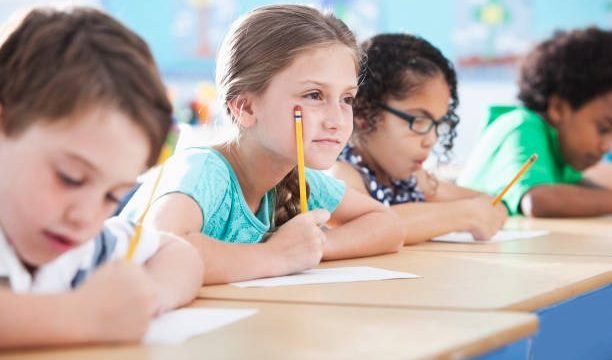
Creating an environment that celebrates diverse learning styles can significantly impact how individuals perceive their abilities. When educators, parents, and peers approach learning differences with kindness and support, it encourages learners to explore their interests freely. This supportive framework allows individuals to experiment with various methods of learning, whether through hands-on activities, visual aids, or auditory resources. Each person can discover what resonates with them, ultimately leading to a more fulfilling educational journey.
A small shift toward balance can make a world of difference. Rather than focusing on what a learner struggles with, it can be beneficial to emphasize their strengths. Encouraging a strengths-based approach helps individuals recognize their potential. For instance, a student who finds reading challenging might excel in storytelling or oral presentations. By highlighting these strengths, learners can build confidence and become more engaged in their educational experiences.
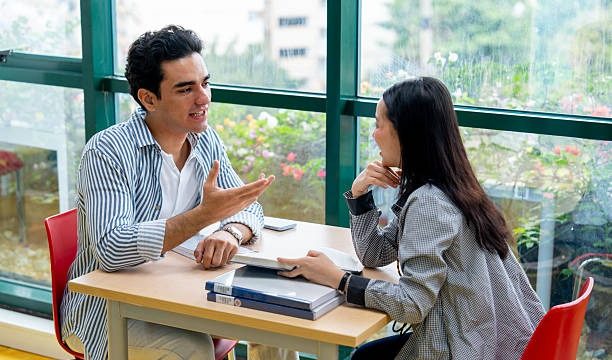
Collaboration is another key element in supporting those with learning differences. When individuals work together, they can share insights and strategies that enhance the learning experience. Group projects, study sessions, or even casual discussions can illuminate new pathways for understanding. This collaborative spirit not only enriches the learning process but also fosters a sense of community. It reminds everyone involved that they are not alone in their journeys and that there is strength in unity.
Emotional well-being plays a crucial role in learning. Creating an emotionally supportive atmosphere where learners feel safe to express themselves can lead to remarkable outcomes. Encouraging open dialogue about feelings, challenges, and triumphs can help to remove the stigma often associated with learning differences. When learners know it’s okay to ask for help or to share their experiences, they can develop resilience and a stronger sense of self-worth.
Incorporating mindfulness practices into the learning environment can also be beneficial. Simple techniques such as deep breathing, meditation, or even quiet reflection can help learners center themselves. These practices can reduce anxiety and promote focus, making it easier for individuals to engage with their studies. Mindfulness encourages a pause, allowing learners to process information at their own pace, which can be particularly helpful for those who may feel overwhelmed by traditional learning methods.
Encouraging curiosity is another vital aspect of supporting learning differences. When learners are allowed to explore topics that genuinely interest them, they are more likely to engage deeply. This exploration not only cultivates a love for learning but also allows individuals to connect their unique perspectives with the wider world. Providing opportunities for self-directed projects or encouraging questions can spark a passion for discovery that transcends conventional educational boundaries.
It’s also important to recognize the role of technology in supporting diverse learning needs. With the rise of educational tools and resources, learners can access a wealth of information tailored to their unique preferences. From interactive apps to online courses, technology opens doors to personalized learning experiences. However, it’s essential to approach these tools with care, ensuring they complement rather than overwhelm the learning process.
In nurturing a supportive approach to learning differences, the role of educators and caregivers is paramount. Training programs that emphasize empathy, understanding, and adaptive teaching methods can empower those in positions of influence. By equipping educators with the skills to address diverse learning needs, we create a ripple effect that benefits not only individual learners but entire communities.
Finally, celebrating progress—no matter how small—can foster a sense of achievement and motivation. Acknowledging the effort put into learning, rather than just the outcome, helps to cultivate a growth mindset. This perspective encourages individuals to view challenges as opportunities for growth rather than obstacles. When learners recognize that their journey is unique and that every step forward is significant, they are more likely to persist in the face of difficulties.
In conclusion, a supportive approach to learning differences is not merely about accommodating challenges; it is about embracing the richness of human diversity. By fostering an environment rooted in compassion, collaboration, and curiosity, we can help individuals unlock their potential and navigate their unique educational journeys. Through understanding and kindness, we can create spaces where every learner feels valued and empowered, contributing to a brighter, more inclusive future for all.