In a world that thrives on diversity, the concept of special education has emerged as a vital component in nurturing every individual’s unique abilities.
It is essential to understand that quality special education goes beyond merely meeting academic needs; it fosters an environment where every child can flourish, regardless of their challenges.
By embracing this philosophy, we can create a brighter future for all children, nurturing their strengths and helping them reach their full potential.
A gentle understanding of the journey begins with recognizing that every child learns differently.
The traditional education system often follows a one-size-fits-all model, which can leave some students feeling lost or overlooked. Special education seeks to address this gap by providing tailored support that aligns with each child’s unique needs, ensuring they receive the attention and resources necessary for their growth. This approach promotes a sense of belonging, allowing children to thrive in a nurturing environment that values their individuality.
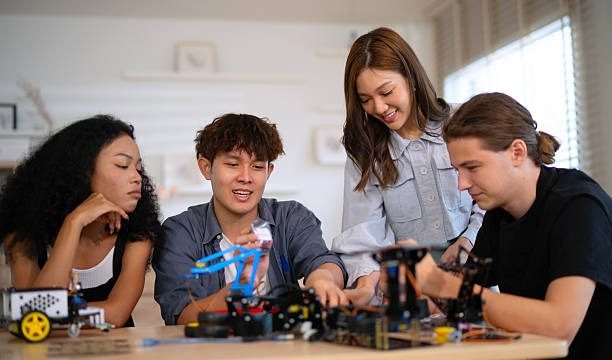
Creating an inclusive atmosphere is paramount in special education. When schools embrace diversity, they cultivate a culture of acceptance and understanding. This not only benefits students with special needs but enriches the entire school community. Peers learn empathy and compassion, vital life skills that extend far beyond the classroom. By promoting a spirit of inclusivity, schools help dismantle barriers and foster friendships that can last a lifetime.
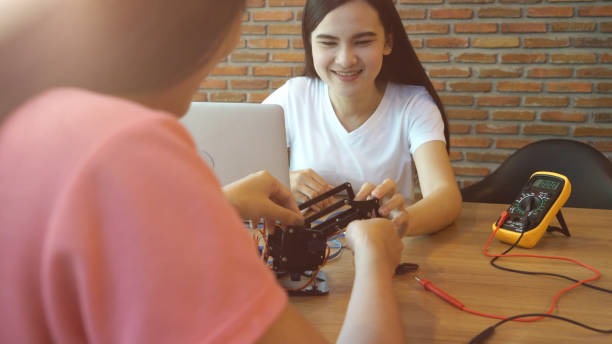
A vital aspect of quality special education is the collaboration between educators, families, and specialists. This partnership is essential in crafting a personalized education plan that reflects the child’s strengths, interests, and areas for growth. Families play a crucial role in this process, as they provide insights into their child’s unique personality and learning style. By working together, educators and families create a supportive network that empowers children to succeed.
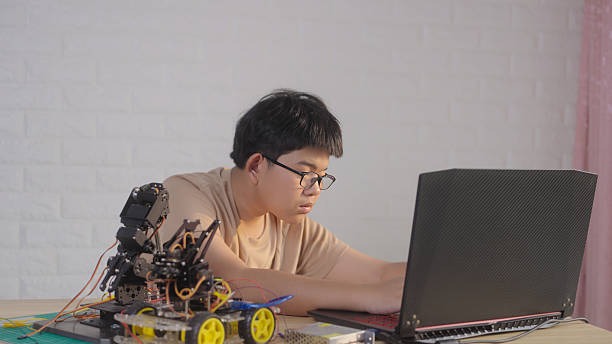
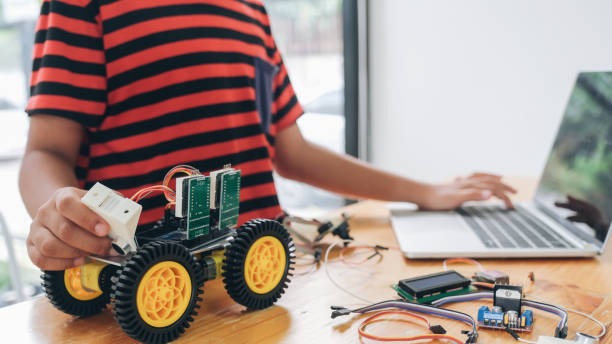
The role of educators in special education cannot be overstated. They are not just teachers; they are advocates, mentors, and cheerleaders for their students. A skilled educator understands the importance of patience and adaptability, recognizing that progress may look different for each child. By employing diverse teaching strategies, they can engage students in ways that resonate with them personally. Whether through hands-on activities, visual aids, or technology, the goal is to ignite a passion for learning that transcends traditional methods.
An essential element of special education is the focus on life skills. While academic achievement is significant, it is equally important to equip children with the tools they need to navigate the world around them. This includes social skills, emotional regulation, and practical abilities that promote independence. By fostering these skills, educators help students build confidence and resilience, preparing them for the challenges they may encounter in life.
As we explore the realm of special education, it becomes clear that technology plays a transformative role. Innovative tools and resources can enhance learning experiences, making them more accessible and engaging. From interactive apps to assistive devices, technology can bridge gaps and provide opportunities for growth. However, it is crucial to remember that technology should complement, not replace, the human connection that is so vital in education. The relationship between teacher and student remains at the heart of effective learning.
Supporting mental health is another critical aspect of quality special education. Children with special needs may face unique emotional challenges, and providing a safe space for them to express their feelings is essential. Schools can implement programs that promote mental well-being, offering counseling services and creating an environment where students feel comfortable seeking help. By prioritizing mental health, we can help children develop coping strategies and resilience, empowering them to face life’s challenges with confidence.
As we consider the broader implications of special education, it is essential to advocate for policies that support inclusivity and accessibility. Advocacy efforts can help raise awareness and promote changes that benefit not only students with special needs but the entire educational system. By engaging in conversations about equity and access, we can work towards a future where every child has the opportunity to succeed, regardless of their abilities.
The journey of encouraging every ability through quality special education is ongoing. It requires a collective effort from educators, families, communities, and policymakers. Each step we take towards inclusivity and understanding brings us closer to a society that values every individual’s contributions. By fostering an environment where differences are celebrated and supported, we can create a world where every child has the chance to shine.
In conclusion, the heart of quality special education lies in its commitment to nurturing every child’s abilities. By embracing diversity, fostering collaboration, and prioritizing mental health, we can create a supportive and inclusive environment that empowers all students to thrive. As we continue this journey, let us remember that every child deserves the opportunity to reach their full potential, and together, we can help them achieve their dreams.