In today’s world, the conversation around education is evolving, particularly when it comes to special education.
As we strive to create a more inclusive society, the focus is shifting toward equipping individuals with lifelong skills that extend beyond traditional academic achievements.
Modern special education is not just about addressing challenges; it’s about fostering strengths and nurturing potential in ways that resonate with each unique learner.
A gentle approach to learning
At the heart of modern special education lies a fundamental understanding that every individual possesses unique abilities.
Educators are increasingly adopting a holistic approach, recognizing that learning is not a one-size-fits-all journey. This perspective encourages the development of lifelong skills through personalized strategies that cater to the diverse needs of students. By focusing on the individual strengths of each learner, educators can create a nurturing environment where students feel valued and empowered.
The role of technology
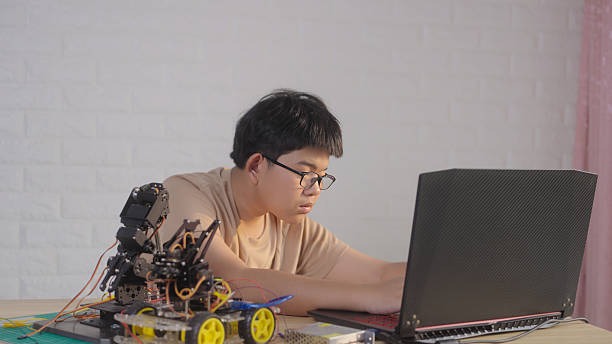
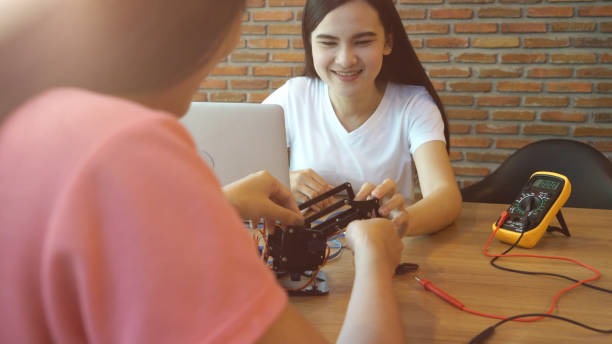
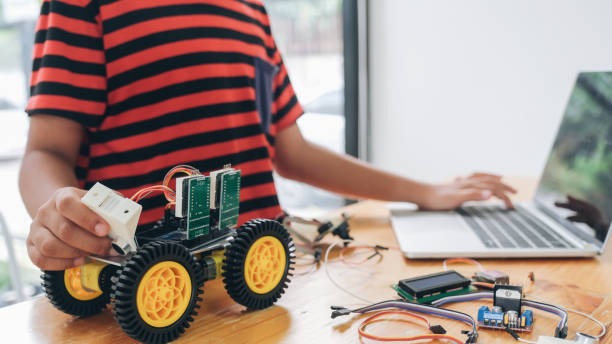
Technology has become a powerful ally in the realm of special education. From assistive devices to interactive learning platforms, digital tools are transforming the way students engage with content. These resources can break down barriers and open doors to new avenues of learning. For instance, apps designed for communication can facilitate expression for non-verbal students, while gamified learning experiences can make complex subjects more accessible and enjoyable.
Incorporating technology not only enhances the learning experience but also helps students develop essential skills for the modern world. As they navigate digital platforms, they learn to adapt, collaborate, and think critically—skills that are invaluable in today’s fast-paced environment.
Cultivating social skills
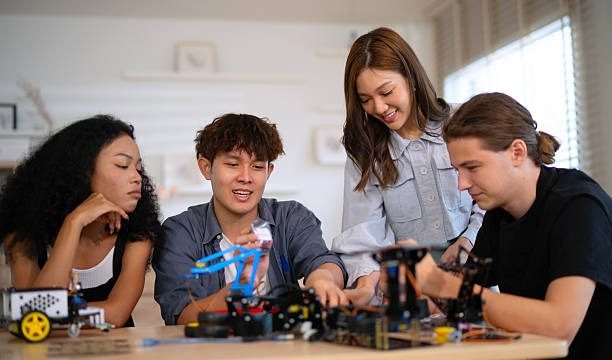
Beyond academic knowledge, social skills are crucial for lifelong success. Modern special education programs are placing a greater emphasis on social-emotional learning, helping students develop the ability to communicate effectively, build relationships, and navigate social situations. Through role-playing, group activities, and peer interactions, students learn to express their feelings, understand others’ perspectives, and work collaboratively.
This focus on social skills is particularly important as it prepares students to thrive in diverse environments, whether in the workplace or in their personal lives. By fostering these connections, we are not only supporting the individual’s growth but also contributing to a more empathetic and understanding community.
The importance of life skills
Life skills—those essential abilities that help us manage our daily lives—are often overlooked in traditional education settings. However, modern special education recognizes their significance and actively incorporates them into the curriculum. From basic self-care tasks to financial literacy, students are taught skills that empower them to live independently and confidently.
Through practical experiences, such as cooking, budgeting, and time management, learners gain a sense of responsibility and autonomy. These skills are not just about survival; they are about thriving in an ever-changing world. When students feel equipped to handle life’s challenges, they develop a sense of agency that can transform their outlook on the future.
Building a supportive community
A key aspect of encouraging lifelong skills in special education is the creation of a supportive community. Families, educators, and peers play an integral role in a student’s journey. By fostering collaboration among all stakeholders, we can create an environment where students feel safe to explore, make mistakes, and grow.
Support groups, workshops, and community events can provide families with resources and connections that enhance their understanding of the educational process. When families are engaged and informed, they can advocate for their children more effectively and contribute to their learning journey. This sense of community not only benefits the individual learner but also strengthens the fabric of society as a whole.
Embracing diversity
Modern special education celebrates diversity in all its forms. Each student brings a unique background, perspective, and set of experiences to the classroom. By embracing this diversity, educators can create a rich tapestry of learning that reflects the world outside. This not only enhances the educational experience but also prepares students to thrive in a multicultural society.
Incorporating diverse perspectives into the curriculum helps students develop empathy and understanding. It encourages them to appreciate differences and find common ground with others. In doing so, we cultivate a generation that values inclusivity and champions the rights of all individuals, regardless of their abilities.
A future filled with possibilities
As we look to the future, it is clear that modern special education is paving the way for a more inclusive society. By focusing on lifelong skills, we are not merely preparing students for academic success; we are equipping them with the tools they need to navigate life with confidence and resilience.
The journey may be filled with challenges, but it is also rich with opportunities for growth and connection. With the right support, encouragement, and resources, individuals with diverse learning needs can flourish, contributing their unique talents to the world around them.
Ultimately, the goal of modern special education is to empower every learner to embrace their individuality and pursue their passions. As we continue to advocate for inclusive practices, we take meaningful steps toward creating a brighter future for all. By nurturing the strengths and abilities of each student, we not only enrich their lives but also the lives of everyone they encounter.
In this evolving landscape, let us celebrate the journey of lifelong learning—one that is filled with promise, potential, and the beautiful diversity of human experience.