In recent years, the conversation around education has evolved significantly, embracing a more inclusive approach that fosters positive outcomes for all students.
Inclusive education is not just a trend; it is a philosophy that recognizes the diverse needs of learners and seeks to create an environment where everyone can thrive.
This shift toward inclusivity not only benefits those with specific learning challenges but also enriches the educational experience for all students.
Creating a welcoming atmosphere in schools starts with understanding that each child is unique, bringing their own strengths and challenges. When educators and communities adopt an inclusive mindset, they open the door to a richer, more diverse learning experience. This approach encourages collaboration, empathy, and respect among students, helping to prepare them for a world that values diversity in all its forms.
A gentle shift toward inclusivity
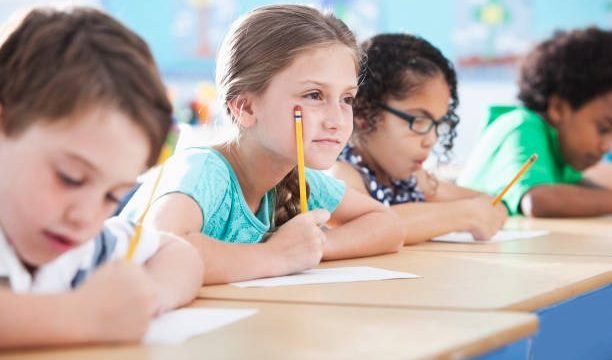
The journey toward inclusive education begins with small, intentional changes in the classroom. Teachers can create a supportive environment by recognizing and valuing the differences among their students. This might involve adapting teaching methods to accommodate various learning styles or providing additional resources for those who need extra support. When educators take the time to understand their students’ individual needs, they can tailor their instruction in ways that resonate with everyone.
For instance, incorporating visual aids, hands-on activities, and collaborative group work can engage students who may struggle with traditional lecture-based learning. This not only enhances understanding but also fosters a sense of belonging among students. When children see that their unique learning styles are acknowledged and valued, they are more likely to feel motivated and confident in their abilities.
Building connections through collaboration
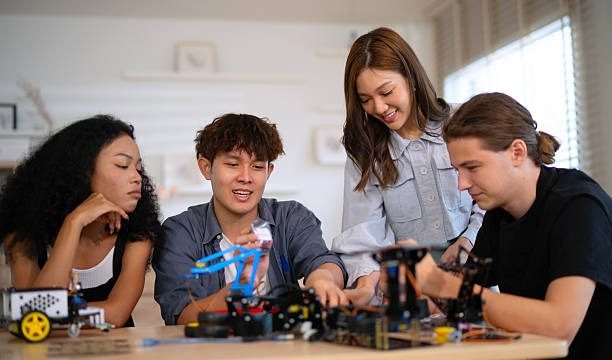
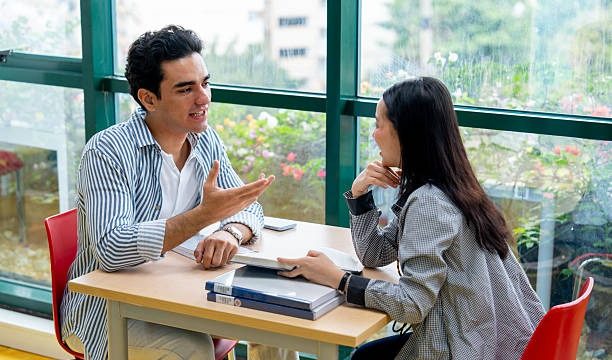
One of the most beautiful aspects of inclusive education is the sense of community it creates. When students work together on projects or engage in discussions, they learn from one another, gaining insights that go beyond the curriculum. This collaborative spirit encourages friendships and helps break down barriers, fostering an environment where differences are celebrated rather than feared.
In inclusive classrooms, peer support becomes a powerful tool. Students can learn to lean on one another, developing social skills and emotional intelligence in the process. This camaraderie not only enhances academic achievement but also nurtures a sense of responsibility toward one another. As students work together to solve problems or complete tasks, they learn the importance of teamwork and respect for diverse perspectives.
Empowering educators and families
While the focus is often on students, it is equally important to empower educators and families in the journey toward inclusivity. Professional development opportunities can equip teachers with the skills and knowledge needed to effectively support all learners. Workshops that focus on differentiation, cultural competency, and trauma-informed practices can make a significant difference in how educators approach their classrooms.
Additionally, fostering strong partnerships with families is crucial for creating an inclusive environment. When schools actively engage with parents and caregivers, they can gain valuable insights into each child’s needs and strengths. Open communication allows for a collaborative approach to education, where families feel valued and involved in their child’s learning journey. This partnership can lead to a more cohesive support system, ensuring that students receive the encouragement they need both at school and home.
The ripple effect of inclusivity
The benefits of inclusive education extend beyond the classroom. As students learn to appreciate and embrace diversity, they carry these values into their communities. An inclusive education fosters a culture of acceptance and understanding, which can have a lasting impact on society as a whole. When children grow up in environments where differences are embraced, they are more likely to become compassionate adults who advocate for equity and inclusion in their own lives.
Moreover, inclusive education can help dispel stereotypes and misconceptions. By interacting with peers from various backgrounds and abilities, students develop a broader perspective on the world around them. This exposure can challenge preconceived notions and encourage empathy, ultimately leading to a more harmonious society.
A brighter future for all
As we continue to champion inclusive education, we are not just shaping the lives of individual students; we are paving the way for a brighter future for everyone. When every child is given the opportunity to learn and grow in an environment that values their unique contributions, we create a society that is rich in understanding and acceptance.
The journey toward inclusivity is ongoing, with challenges and triumphs along the way. However, the rewards are immeasurable. By embracing the diverse tapestry of our classrooms and communities, we can foster positive outcomes that resonate far beyond the school walls.
In conclusion, encouraging inclusive education is a powerful step toward creating a world where every individual feels valued and empowered. With a focus on understanding, collaboration, and community, we can cultivate an environment that not only supports academic success but also nurtures the human spirit. As we move forward, let us remember that each small step toward inclusivity can create a ripple effect, transforming lives and shaping a more compassionate future for generations to come.