In our rapidly changing world, the way we learn and acquire new skills is evolving.
Modern technical education has emerged as a powerful way to bridge the gap between theory and practice, allowing individuals to engage deeply with their chosen fields.
This approach not only enhances understanding but also empowers learners to adapt to the demands of the workforce.
As we explore the landscape of technical education, we find that learning by practice can cultivate a fulfilling and enriching journey.
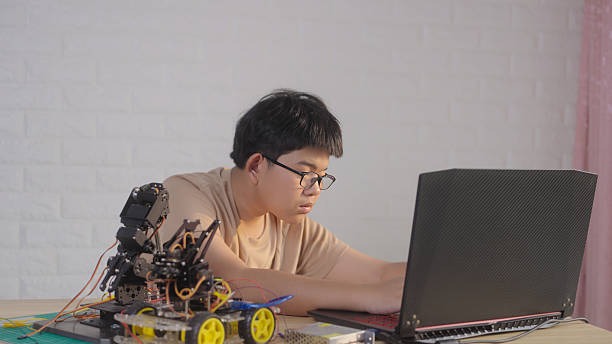
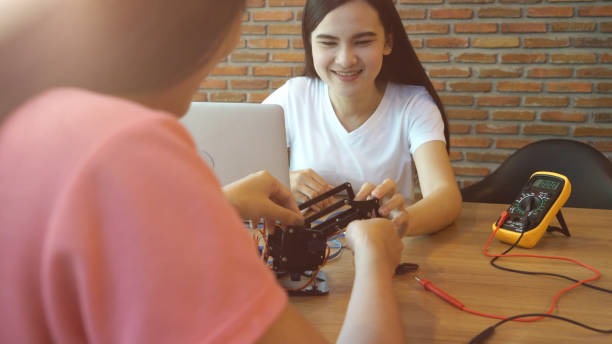
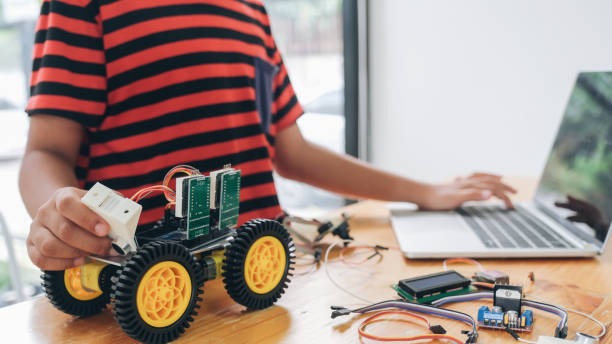
The essence of modern technical education lies in its practical application. Unlike traditional methods, which often emphasize rote memorization and theoretical knowledge, contemporary programs encourage hands-on experience. This shift is a response to the needs of industries that seek skilled professionals who can think critically and solve real-world problems. By immersing themselves in practical scenarios, learners gain insights that textbooks alone cannot provide.
Imagine stepping into a workshop filled with tools and materials, where the air buzzes with the sound of creativity and innovation. Here, students are not just passive recipients of information; they are active participants in their education. Whether it’s coding a new software application, assembling a mechanical device, or designing a stunning piece of art, the experience is transformative. Engaging directly with the subject matter fosters a sense of ownership and mastery that theoretical learning often lacks.
A small shift toward balance can make a significant difference in how we perceive education. In the past, many people viewed technical education as a secondary option, often associated with vocational training rather than academic rigor. However, as the demand for skilled workers grows, this perception is changing. Technical education is now recognized as a viable and valuable pathway, offering a balanced approach that combines both practical skills and theoretical knowledge. This balance not only prepares students for immediate employment but also equips them with lifelong learning skills.
One of the most exciting aspects of modern technical education is the integration of technology. With advancements in virtual reality, online learning platforms, and interactive simulations, students can explore their fields in ways that were once unimaginable. For instance, aspiring engineers can use virtual simulations to test their designs before bringing them to life, while budding chefs can practice culinary techniques through online cooking classes. These tools enhance the learning experience, making it more engaging and accessible.
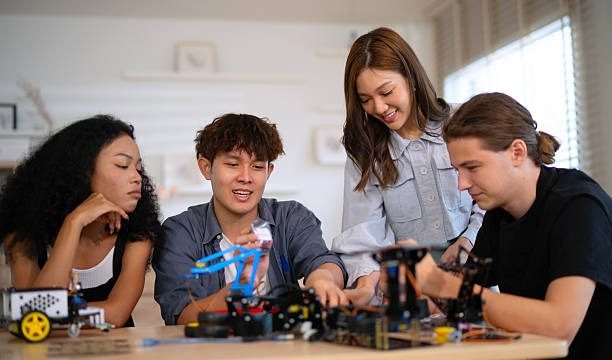
Furthermore, the collaborative nature of technical education encourages networking and community building. Students often work in teams, sharing ideas and supporting one another in their projects. This camaraderie not only enriches the learning experience but also mirrors the collaborative environment they will encounter in the workplace. By fostering connections with peers, mentors, and industry professionals, learners build relationships that can last a lifetime.
As we delve deeper into the world of technical education, it’s important to recognize the diverse pathways available. From coding boot camps to trade schools, there are numerous options tailored to different interests and career aspirations. Each pathway offers unique opportunities for growth and development, allowing individuals to choose the one that aligns best with their passions and goals. This personalization is key, as it empowers learners to take charge of their educational journey.
In this age of information, the ability to adapt is more crucial than ever. Technical education not only provides immediate skills but also instills a mindset of continuous learning. As industries evolve, so too must the workforce. By engaging in hands-on practice, students develop problem-solving skills and a flexible approach to new challenges. They learn to embrace change and view obstacles as opportunities for growth, preparing them for a dynamic career landscape.
Another vital aspect of modern technical education is its emphasis on innovation. In a world driven by advancements in technology, creativity and critical thinking are essential. Students are encouraged to think outside the box, experiment with new ideas, and push the boundaries of what is possible. This culture of innovation not only benefits individuals but also contributes to the growth of industries and economies as a whole.
As we reflect on the journey of learning by practice, it becomes clear that education is not just about acquiring knowledge; it is about fostering a sense of purpose and direction. Technical education provides a pathway for individuals to discover their passions and pursue careers that resonate with them. It empowers them to take control of their futures and contribute meaningfully to society.
In conclusion, modern technical education represents a profound shift in how we approach learning. By prioritizing practical experience and fostering a collaborative community, it equips individuals with the skills and mindset needed to thrive in today’s world. As we continue to embrace this approach, let us celebrate the journey of learning by practice, recognizing its potential to transform lives and shape a brighter future. Whether you are a student, a professional seeking to upskill, or someone contemplating a career change, remember that the world of technical education is open to you. Embrace the opportunity to learn, grow, and make your mark in a field that inspires you.