In today’s rapidly evolving world, technical education stands as a beacon of opportunity, illuminating pathways to fulfilling careers across diverse modern industries.
As we navigate the complexities of a digital age, the blend of practical skills and theoretical knowledge becomes increasingly crucial.
Whether you are a recent high school graduate or someone looking to pivot in your career, embracing technical education can open doors to a realm of possibilities.
The changing landscape of employment demands a workforce equipped with specialized skills. Industries such as healthcare, information technology, manufacturing, and renewable energy are on the lookout for individuals who possess hands-on experience and technical know-how. This shift towards a skills-based economy emphasizes the importance of practical education that prepares students not just for jobs, but for careers that can adapt and grow with the times.
A journey into technical education often begins with a personal exploration of interests and aptitudes. Many individuals find themselves drawn to specific fields, whether it’s the thrill of coding in computer science, the creativity involved in graphic design, or the precision required in automotive technology. This self-discovery is a vital step in aligning one’s passions with career aspirations. As you delve into technical programs, you may discover not only what you are good at, but also what you love to do.
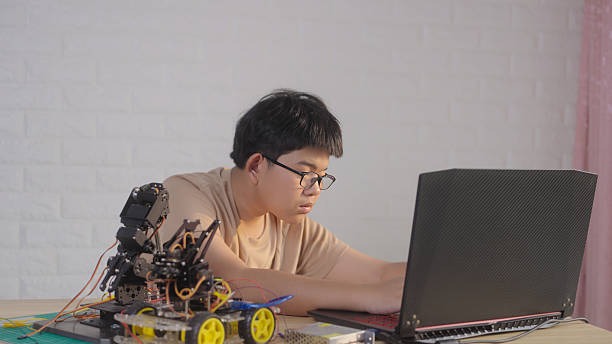
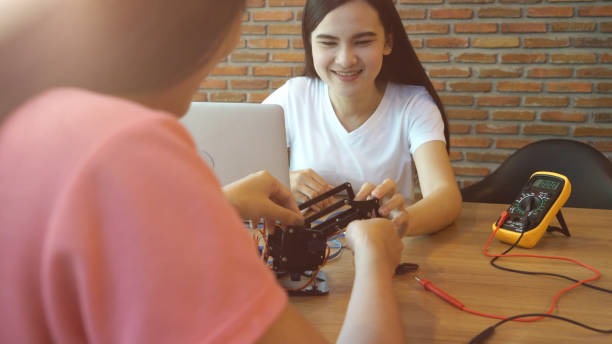
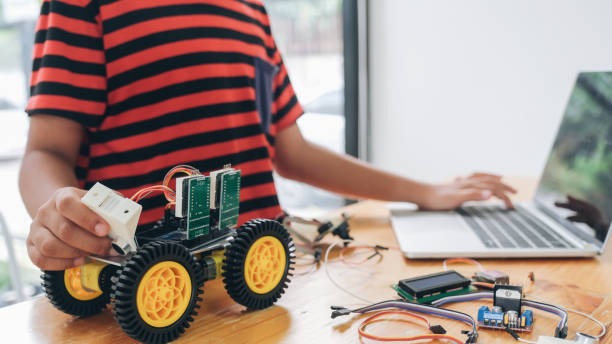
In the realm of technical education, hands-on learning is a cornerstone. Unlike traditional academic routes that often emphasize theoretical concepts, technical programs prioritize real-world application. Students engage in labs, workshops, and internships, fostering a deeper understanding of their chosen fields. This experiential learning not only builds confidence but also equips graduates with the practical skills that employers are actively seeking.
For instance, in the healthcare sector, students in nursing or medical technology programs gain invaluable experience through clinical rotations, working directly with patients under the guidance of seasoned professionals. Similarly, aspiring software developers immerse themselves in coding boot camps, collaborating on projects that mirror real-world scenarios. This immersive approach allows students to transition smoothly from the classroom to the workplace, reducing the gap between education and employment.
As industries evolve, so too do the competencies required to thrive within them. Technical education programs are continually adapting to meet these changing demands. For example, the rise of artificial intelligence and machine learning has led to the incorporation of these topics into curricula across various disciplines. By staying ahead of trends, technical education not only prepares students for current job markets but also positions them as innovators in their fields.
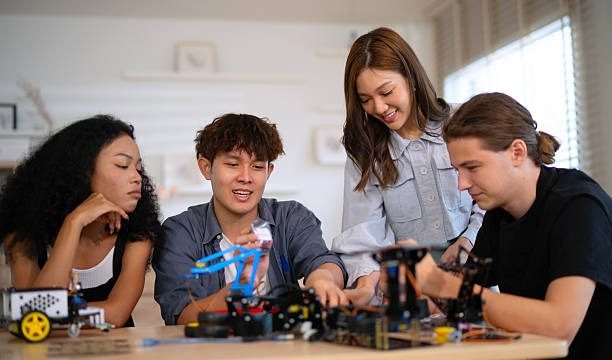
A small shift toward balance can be found in the way technical education embraces diversity and inclusivity. Many programs actively seek to attract individuals from underrepresented backgrounds, recognizing that a varied workforce enhances creativity and problem-solving. This commitment to inclusivity enriches the learning environment, fostering collaboration among students with different perspectives and experiences.
Moreover, the rise of online learning platforms has made technical education more accessible than ever. Individuals can now pursue certifications and degrees from the comfort of their homes, breaking down geographical barriers that once limited educational opportunities. This flexibility allows busy professionals, parents, and those with other commitments to enhance their skills without disrupting their lives.
Networking also plays a vital role in the success of technical education. Building connections with industry professionals can lead to mentorship opportunities, internships, and job placements. Many technical programs emphasize the importance of networking, encouraging students to attend industry events, workshops, and seminars. These interactions not only provide insights into the job market but also help students forge relationships that can be invaluable throughout their careers.
As we consider the broader implications of technical education, it’s important to recognize its role in personal empowerment. Gaining practical skills not only enhances employability but also fosters a sense of accomplishment and confidence. Individuals who pursue technical education often report feeling more capable of navigating their careers and making informed decisions about their futures. This empowerment extends beyond the workplace, influencing personal growth and resilience.
In addition to fostering individual success, technical education contributes to the economy as a whole. A skilled workforce drives innovation, boosts productivity, and enhances competitiveness on a global scale. As industries continue to adapt to technological advancements, the demand for skilled workers will only increase. By investing in technical education, society is investing in its future, creating a cycle of growth and opportunity for generations to come.
As we reflect on the journey of technical education, it becomes clear that it is not merely about acquiring skills; it’s about embracing a mindset of lifelong learning. The world is constantly changing, and the ability to adapt is paramount. Technical education instills a passion for continuous improvement, encouraging individuals to seek out new knowledge and experiences throughout their lives.
In conclusion, technical education offers a pathway to success in modern industries by equipping individuals with practical skills that are in high demand. Through hands-on learning, adaptability to industry trends, and a focus on inclusivity, technical programs prepare students for fulfilling careers and empower them to thrive in an ever-evolving job market. As we embrace this educational journey, we find ourselves not just as participants in the workforce, but as active contributors to a dynamic and innovative future. Whether you are just beginning or looking to pivot, the world of technical education awaits with open arms, ready to guide you toward your aspirations.