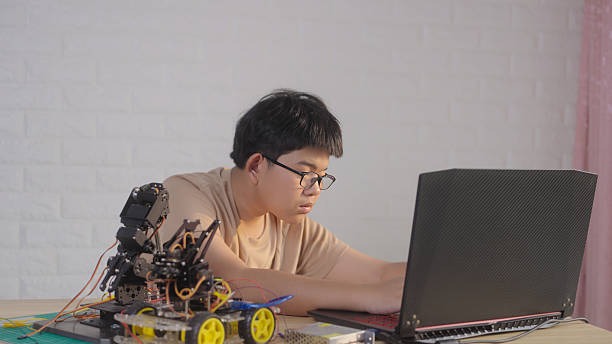
In a world that is constantly evolving, education stands as a beacon of hope and opportunity for individuals and communities alike.
It serves as the foundation upon which bright futures are built, nurturing the minds of the young and guiding them toward a path of success and fulfillment.
Supporting education is not merely an investment in knowledge; it is an investment in the potential of every child and, by extension, the future of our society.
Education, in its essence, is more than just a series of lessons or a means to acquire qualifications. It is a journey that shapes character, instills values, and cultivates critical thinking. When we support educational initiatives, we are nurturing the dreams of young minds, providing them with the tools they need to navigate the complexities of life. This support can take many forms, from volunteering in classrooms to advocating for policy changes that ensure equitable access to quality education for all.
One of the most powerful ways to support education is through community involvement. Local organizations, schools, and families can come together to create a rich tapestry of resources that enhance the learning experience. Whether through mentorship programs, after-school activities, or community workshops, these collaborations can spark creativity and inspire students to pursue their passions. The connections formed in these environments often lead to lifelong friendships and professional networks, reinforcing the idea that education is a shared journey.
A small shift toward balance can significantly impact how we approach education. In our fast-paced world, it’s easy to get caught up in the pressure to achieve high grades and accolades. However, fostering a love for learning is equally important. Encouraging a balance between academic pursuits and personal interests can help children develop a well-rounded perspective. When students engage in arts, sports, or other extracurricular activities, they discover new passions and develop skills that complement their academic achievements.
Another vital aspect of supporting bright futures through education is recognizing the importance of mental health and well-being. A nurturing environment where students feel safe and valued is essential for effective learning. Schools can play a pivotal role in this by implementing programs that promote emotional intelligence, resilience, and mindfulness. When students are equipped with these skills, they are better prepared to face challenges and setbacks, paving the way for a more fulfilling life.
Parents and caregivers are pivotal in this educational journey. Their involvement can significantly influence a child’s attitude toward learning. Creating a supportive home environment where curiosity is encouraged can spark a lifelong love of learning. Engaging in conversations about school experiences, exploring new ideas together, and even reading as a family can strengthen a child’s connection to education. These simple actions can help children see learning as an adventure rather than a chore.
Additionally, access to resources plays a crucial role in educational success. In many communities, disparities in funding and resources can create significant barriers for students. Advocating for equitable funding and resources is essential to ensure that every child has the opportunity to thrive. By supporting local schools through donations, fundraising efforts, or simply spreading the word about their needs, we can help level the playing field and provide all children with the tools they need to succeed.
The role of technology in education cannot be overlooked. With the rise of digital tools and online learning platforms, students have access to a wealth of information and resources like never before. However, it is vital to ensure that this access is equitable. Supporting initiatives that provide technology and internet access to underserved communities can help bridge the digital divide. When students can harness the power of technology, they can explore new horizons and expand their learning experiences beyond the classroom walls.
As we look to the future, it’s essential to remember that education is a lifelong journey. Supporting bright futures means recognizing that learning does not stop after formal schooling. Encouraging a mindset of continuous growth and development can inspire individuals to pursue their interests and passions throughout their lives. Adult education programs, workshops, and community classes can provide opportunities for personal enrichment and professional development, fostering a culture of learning that extends far beyond childhood.
The impact of supporting education can be profound and far-reaching. When we invest in the education of our youth, we are not just shaping individual futures; we are creating a ripple effect that can uplift entire communities. Educated individuals are more likely to contribute positively to society, engage in civic activities, and promote social change. They become leaders, innovators, and advocates for a better world.
In conclusion, supporting bright futures through education is a collective responsibility that requires the involvement of families, communities, and policymakers. By nurturing a love for learning, advocating for equitable access to resources, and fostering a supportive environment, we can empower the next generation to reach their full potential. Every small effort counts, and together, we can create a brighter, more inclusive future for all. As we embark on this journey, let us remember that the seeds of knowledge we plant today will blossom into the achievements of tomorrow.