In today’s rapidly evolving world, the importance of technical education cannot be overstated.
As technology continues to shape our lives, the next generation of professionals must be equipped with the skills and knowledge necessary to navigate this dynamic landscape.
Technical education offers a pathway that combines practical skills with theoretical understanding, creating a foundation for success in various fields.
A gentle shift toward hands-on learning
Traditionally, education has focused heavily on theoretical knowledge, often leaving students unprepared for the practical demands of the workforce.
However, technical education embraces a different philosophy.
It emphasizes hands-on learning, where students engage in real-world applications of their studies. This approach not only fosters deeper understanding but also builds confidence as students see their skills come to life.
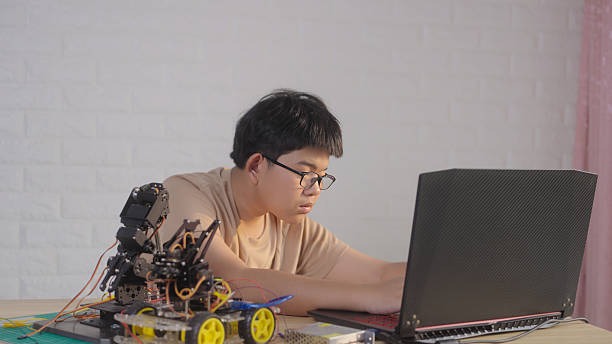
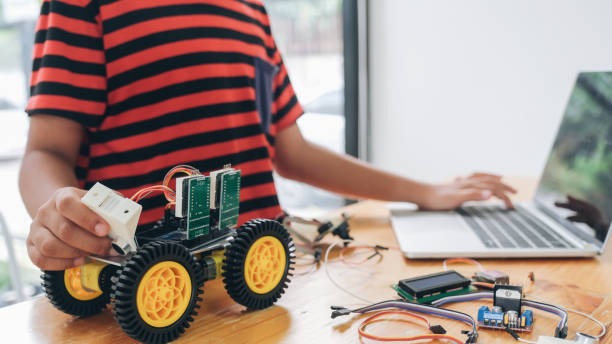
Imagine a classroom where students are not just reading about engineering principles but are actually designing and building projects. This immersive experience allows them to connect theory to practice, making learning more relevant and engaging. As they work with their hands, they develop problem-solving skills, creativity, and critical thinking—traits that are invaluable in any profession.
A community of support
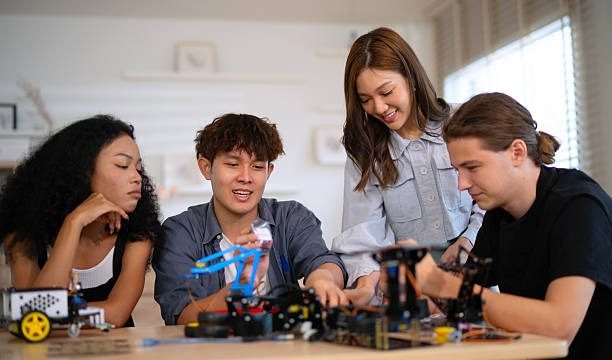
One of the most beautiful aspects of technical education is the sense of community it fosters. Students often work in teams, collaborating on projects that require communication, teamwork, and a shared vision. This collaborative environment not only enhances learning but also helps cultivate essential interpersonal skills.
As students navigate challenges together, they learn to rely on one another, creating bonds that often last beyond the classroom. These relationships provide a support network that can be incredibly beneficial as they transition into the workforce. In a world where professional connections are increasingly important, the friendships formed during technical education can open doors and create opportunities.
Bridging the gap between education and industry
Technical education also plays a crucial role in bridging the gap between academia and industry. Many programs are designed in collaboration with local businesses and organizations, ensuring that the curriculum aligns with current industry needs. This connection means that students are not only learning relevant skills but are also gaining insights into the expectations of potential employers.
Internships and co-op programs are often integral components of technical education. These experiences allow students to gain practical experience while still in school, providing them with a competitive edge when they enter the job market. Employers value candidates who have hands-on experience, and technical education programs are uniquely positioned to provide this.
The role of technology in learning
Technology is at the heart of technical education. With the rise of digital tools and resources, students have access to a wealth of information and learning opportunities. Online platforms, simulation software, and virtual labs enhance the educational experience, allowing students to explore concepts in ways that were previously unimaginable.
Moreover, as technology continues to advance, so too must the curriculum. Technical education programs must remain agile, adapting to emerging trends and innovations. This commitment to continual improvement ensures that students are not only prepared for today’s job market but are also equipped to thrive in the future.
A focus on lifelong learning
In a world where change is the only constant, the concept of lifelong learning has become more important than ever. Technical education instills a mindset of continuous development, encouraging students to seek out new knowledge and skills throughout their careers.
This focus on lifelong learning is particularly beneficial in technical fields, where advancements occur at a rapid pace. Professionals must stay current with new technologies, techniques, and best practices. Technical education lays the groundwork for this ongoing journey, fostering a love of learning that extends far beyond formal education.
Empowering diverse pathways
Technical education is not a one-size-fits-all solution. It offers a variety of pathways that cater to different interests and strengths. Whether a student is drawn to engineering, information technology, healthcare, or the trades, there is a technical program that aligns with their goals.
This diversity is empowering. It allows students to explore their passions and discover areas where they can make a meaningful impact. By providing multiple avenues for success, technical education opens doors for individuals from all backgrounds, ensuring a more inclusive workforce.
The future of work and the role of technical education
As we look to the future, the role of technical education will only continue to grow. The demand for skilled professionals in technical fields is skyrocketing, driven by advancements in technology and a shifting job market. By investing in technical education, we are investing in the future of our economy and society.
Moreover, as the workforce evolves, so too will the skills needed to thrive within it. Technical education provides a foundation that can adapt to these changes, preparing students to face new challenges with confidence.
Creating a culture of innovation
At its core, technical education is about more than just skills; it’s about fostering a culture of innovation. Students are encouraged to think creatively, experiment, and push boundaries. This spirit of exploration is essential for driving progress and finding solutions to the complex issues facing our world today.
By nurturing this culture of innovation, technical education empowers the next generation to not only succeed in their careers but also to contribute positively to their communities. They become problem solvers, critical thinkers, and agents of change, equipped to tackle the challenges of tomorrow.
In conclusion, technical education is a vital component of preparing the next generation of professionals. By emphasizing hands-on learning, fostering community, bridging the gap between education and industry, and promoting lifelong learning, it creates a pathway to success that is both fulfilling and impactful. As we embrace this approach, we not only empower individuals but also contribute to a brighter future for all. The journey may be challenging, but the rewards are profound, shaping not just careers but lives.