A path to independence through special education
Navigating the world of education can be a unique journey for every child, especially for those with special needs.
Special education serves as a bridge, providing tailored support that helps children not only learn but thrive.
This journey is not merely about academic success; it encompasses emotional growth, social development, and ultimately, a path toward independence.
Every child deserves the opportunity to grow at their own pace, and special education recognizes that each learner is a distinct individual with specific needs.
The core of special education is to embrace these differences and to create an inclusive environment where every child can flourish. This approach not only fosters academic skills but also nurtures self-esteem and confidence, essential ingredients for independence.
Understanding the unique needs of children in special education is crucial. Each child may face various challenges, whether they are learning disabilities, developmental delays, or emotional and behavioral issues. By acknowledging these challenges, educators and parents can work together to develop personalized learning plans that cater to each child’s strengths and weaknesses. This collaborative effort is foundational, as it allows for a more holistic view of a child’s development.
A small shift toward balance often occurs when children in special education are given opportunities to interact with their peers. Inclusion in mainstream classrooms, whenever possible, can be incredibly beneficial. These interactions help children learn essential social skills and foster a sense of belonging. Furthermore, they allow for the exchange of ideas and experiences, enriching the educational landscape for everyone involved. This balance between specialized support and inclusion can create a more rounded learning environment, preparing children for real-world interactions.
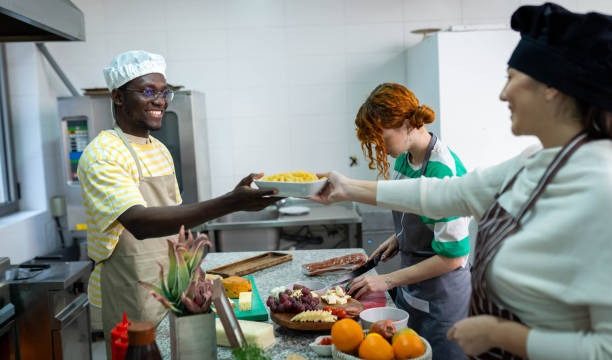
Building independence is a gradual process that can be nurtured through special education. Life skills training often plays a significant role in this journey. Simple tasks like personal hygiene, cooking, or managing time can be integrated into the curriculum, providing children with practical tools they can carry into adulthood. As they master these skills, children gain confidence and a sense of accomplishment, both of which are vital for fostering independence.
Moreover, the emotional support provided in special education settings cannot be underestimated. Children often face unique emotional challenges, and having a supportive environment where they feel safe to express themselves is crucial. Educators and support staff can help children navigate their feelings, teaching them coping strategies that will serve them well throughout their lives. This emotional resilience is a key component of independence, allowing children to face challenges with confidence and determination.
In addition to emotional and practical skills, the role of families in this journey is paramount. Parents and guardians are often the first advocates for their children, and their involvement in the educational process can lead to significant positive outcomes. Open communication between families and educators fosters a partnership that enhances a child’s learning experience. When families are engaged, they can reinforce skills learned in the classroom at home, creating a seamless transition between environments.
As children progress through their special education journey, it’s essential to celebrate small victories. Each step toward independence, no matter how minor it may seem, is a testament to their hard work and resilience. Whether it’s mastering a new skill or making a new friend, these moments are worth acknowledging and celebrating. They serve as reminders that the journey itself is filled with growth and development, paving the way for future successes.
Self-advocacy is another crucial element in the path to independence. Teaching children to understand their own needs and to communicate them effectively is empowering. As they learn to advocate for themselves, they build confidence and a sense of agency. This skill will be invaluable as they transition into adulthood, where self-advocacy becomes essential in navigating various life situations.
The importance of community support cannot be overlooked either. Various organizations and local resources can provide additional assistance and opportunities for children in special education. Engaging in community activities, such as sports, arts, or clubs, can further enhance social skills and provide a sense of belonging. These experiences contribute to a well-rounded development, helping children to establish connections outside of the school environment.
As we reflect on the journey through special education, it becomes clear that the ultimate goal is independence. This independence is not solely about academic achievement; rather, it encompasses emotional well-being, social skills, and practical life skills. It is about equipping children with the tools they need to navigate the world confidently.
In conclusion, the path to independence through special education is a multifaceted journey filled with growth, learning, and self-discovery. By embracing each child’s unique needs and strengths, we can create a nurturing environment that fosters independence. With the support of educators, families, and the community, children can develop the skills and confidence necessary to thrive in their own lives. Ultimately, every child deserves the chance to carve their own path, and special education plays a vital role in making that journey possible.