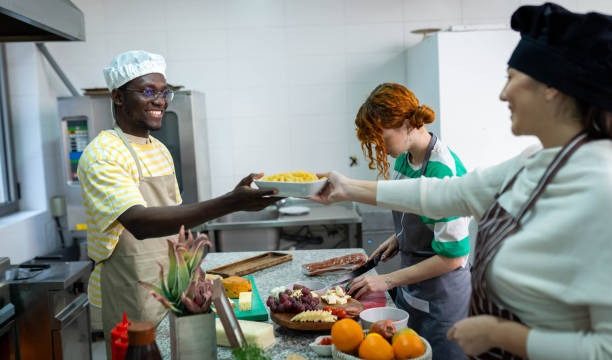
In today’s world, where the beauty of diversity is increasingly recognized and celebrated, special education programs stand out as shining examples of inclusivity and understanding.
These programs are not just about meeting the educational needs of students with disabilities; they are about honoring each individual’s unique journey and fostering an environment where everyone can thrive.
The essence of special education lies in its commitment to personalized learning.
Each child comes with their own set of strengths, challenges, and dreams.
Educators in these programs understand that a one-size-fits-all approach simply does not work. Instead, they tailor learning experiences to fit the individual, creating a rich tapestry of educational opportunities that reflect the diverse needs of their students. This personalized attention not only helps in academic achievement but also nurtures self-esteem and confidence, allowing students to embrace their identities.
A gentle shift toward understanding can be felt in classrooms that prioritize diversity. When teachers take the time to learn about the backgrounds and experiences of their students, they create a nurturing atmosphere. This approach encourages students to share their stories, fostering a sense of community and belonging. In such environments, differences are not merely tolerated; they are celebrated and woven into the fabric of the classroom experience. This cultural exchange enriches the learning process for everyone involved, as students gain insights into perspectives different from their own.
The role of families in special education cannot be overstated. When schools engage with families, they open pathways for collaboration that benefit the students. Parents and guardians bring invaluable knowledge about their children’s strengths and needs. By working together, families and educators can create a supportive network that enhances the educational experience. This partnership often leads to creative solutions and innovative strategies tailored to each child’s learning style.
One of the most heartwarming aspects of special education programs is the friendships that blossom among students. As they share classrooms and experiences, children learn empathy, kindness, and respect. They discover that despite their differences, they have much in common. These friendships can transcend the classroom, creating bonds that last a lifetime. When students see each other as friends rather than labels, they cultivate a sense of community that is both empowering and uplifting.
Inclusion is a key principle in celebrating diversity within special education. Integrating students with disabilities into general education settings can create a more inclusive environment for all. This blend allows students to learn from one another, breaking down barriers and fostering mutual respect. It challenges stereotypes and misconceptions, paving the way for a more understanding society. In this setting, everyone learns the value of patience, cooperation, and teamwork, skills that are essential in all walks of life.
As society evolves, so too do the methods and philosophies surrounding special education. Innovative teaching techniques and technology play a significant role in enhancing learning experiences. From interactive software that engages students to assistive devices that facilitate communication, these tools can make a world of difference. They empower students to express themselves, participate actively in their education, and achieve their goals.
Furthermore, the emphasis on social-emotional learning in special education programs reflects a broader understanding of what it means to be educated. It is not just about academics; it is about nurturing well-rounded individuals. Programs that incorporate social-emotional learning help students develop skills such as self-awareness, emotional regulation, and relationship-building. These skills are crucial for navigating life’s challenges, and they foster resilience in the face of adversity.
The celebration of diversity in special education also extends to the educators themselves. Teachers in these programs often come from varied backgrounds and experiences, bringing their unique perspectives into the classroom. Their dedication to fostering an inclusive environment is evident in their teaching methods and interactions with students. They are not just educators; they are advocates, mentors, and role models who inspire students to reach their full potential.
As we reflect on the importance of celebrating diversity in special education programs, it becomes clear that these initiatives are about much more than just education. They are about creating a world where every individual is valued and respected. They remind us that diversity enriches our lives and broadens our understanding of what it means to be human.
In conclusion, special education programs serve as a testament to the power of diversity. They highlight the beauty of individual stories and the strength found in community. By embracing differences and fostering inclusive environments, we not only enhance the educational experience for students with disabilities but also cultivate a society that values compassion, understanding, and unity. As we continue to celebrate diversity in all its forms, let us remember the importance of creating spaces where everyone feels seen, heard, and cherished. Together, we can build a brighter future, one where diversity is not just acknowledged but wholeheartedly embraced.