In a world that constantly evolves, the importance of education as a foundation for confidence and skill development cannot be overstated.
Education is not merely about acquiring knowledge; it’s a journey that shapes our character, fosters resilience, and cultivates the skills we need to navigate life’s complexities.
This journey can be both enriching and transformative, offering us not just facts and figures, but the inner strength to face challenges head-on.
The essence of education lies in its ability to empower individuals. When we engage with learning, whether in a classroom or through life experiences, we build a sense of self-worth. This self-worth becomes a cornerstone of confidence. A child who learns to read, for instance, doesn’t just master a skill; they unlock a world of stories, ideas, and possibilities. The joy of reading can inspire creativity and critical thinking, nurturing a mindset that embraces exploration and curiosity.
As we progress through different stages of life, the form of education we encounter may change, but its core purpose remains the same: to equip us with skills that enhance our personal and professional lives. Adult education programs, workshops, and even informal learning avenues, like community classes or online courses, offer opportunities to refine our abilities and discover new passions. Each new skill we acquire adds to our repertoire, further boosting our confidence.
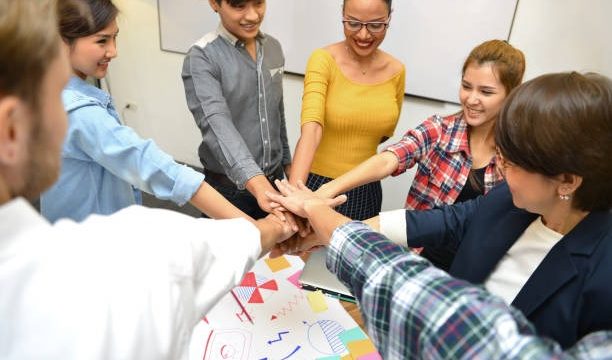
A small shift toward balance is often all it takes to enhance our educational experience. While traditional education focuses heavily on academic performance, integrating social and emotional learning can create a more holistic approach. Programs that emphasize teamwork, communication, and empathy prepare individuals not just to excel in their careers but to thrive in interpersonal relationships. This balance is crucial, as the ability to connect with others often dictates our overall success in life.
Moreover, the learning environment plays a significant role in shaping confidence. Educators who foster inclusive spaces where mistakes are viewed as stepping stones rather than failures encourage students to take risks. This nurturing atmosphere allows learners to express themselves freely, leading to personal growth and a stronger belief in their abilities. When students feel safe and valued, they are more likely to engage actively, ask questions, and explore topics that pique their interest.
As we delve deeper into the different aspects of education, it becomes clear that mentorship is a powerful tool in building confidence. A mentor can guide, support, and inspire, helping individuals navigate their paths with greater assurance. Whether it’s a teacher who recognizes a student’s potential or a professional who offers career advice, these relationships can profoundly impact one’s educational journey. The encouragement and wisdom shared in these connections can ignite a spark of ambition that propels individuals toward their goals.
The role of technology in education cannot be overlooked either. In recent years, online learning platforms have opened doors to countless opportunities. They provide flexibility, allowing learners to pursue their interests at their own pace. This accessibility can be particularly empowering for those who may have felt limited by traditional schooling methods. The ability to choose what, when, and how to learn can foster a sense of ownership over one’s educational journey, further enhancing self-confidence.
Engaging in lifelong learning is another vital aspect of building confidence and skills. Education doesn’t stop after formal schooling; it’s a continuous process. Embracing new experiences, whether through travel, workshops, or hobbies, enriches our lives and broadens our perspectives. Each new endeavor adds layers to our identity and bolsters our self-assurance. When we challenge ourselves to step outside our comfort zones, we discover capabilities we never knew we had.
In addition, community involvement plays a significant role in education that builds confidence. Participating in local initiatives or volunteering can provide practical experiences that enhance our skills while fostering a sense of belonging. These interactions not only contribute to personal development but also strengthen community bonds, creating a supportive network that uplifts everyone involved. When individuals come together to learn and grow, they create a ripple effect of empowerment that benefits society as a whole.
As we reflect on the journey of education, it’s essential to recognize the power of self-reflection. Taking the time to assess our experiences, understand our strengths and weaknesses, and set goals can lead to profound personal growth. This introspective practice allows us to celebrate our achievements, no matter how small, and learn from our setbacks. Through self-reflection, we cultivate resilience, which is a key component of confidence.
Ultimately, education that builds confidence and skills is about more than just academic success; it’s about nurturing the whole person. It’s about creating an environment where individuals feel empowered to pursue their passions, embrace challenges, and learn from every experience. This approach fosters a generation of resilient, capable individuals ready to contribute positively to the world.
In conclusion, the journey of education is a beautiful tapestry woven with experiences, relationships, and personal growth. As we continue to learn and evolve, let us remember that building confidence and skills is a lifelong endeavor. By embracing new opportunities, fostering supportive environments, and engaging in self-reflection, we can cultivate a sense of empowerment that resonates throughout our lives. Education is not just a pathway to knowledge; it is a journey toward becoming the best version of ourselves.