Inclusive special education is a journey marked by compassion, patience, and understanding.
It embraces the idea that every child, regardless of their abilities, deserves the opportunity to learn and thrive in an environment that respects their unique needs.
As we delve into this topic, we’ll explore how inclusive special education not only benefits children with special needs but also enriches the entire educational community.
Creating a nurturing environment is at the heart of inclusive education.
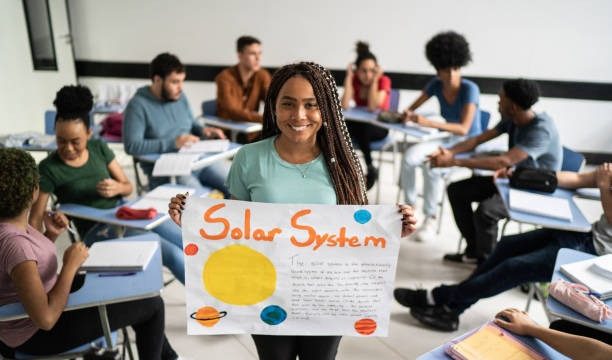
When schools open their doors to all children, they foster a sense of belonging that is essential for personal and academic growth. This approach allows children with different abilities to learn alongside their peers, which can lead to remarkable outcomes. The classroom becomes a vibrant tapestry of diverse experiences, perspectives, and talents, creating a rich learning atmosphere.
One of the most significant aspects of inclusive special education is the emphasis on individualized support. Each child has unique strengths and challenges, and educators work diligently to tailor their teaching methods to meet these needs. This personalized approach encourages children to engage with the material in ways that resonate with them. For instance, a child who struggles with reading might benefit from visual aids or interactive storytelling, while another may thrive with hands-on activities. Such adaptations not only enhance learning but also build confidence, empowering children to take pride in their progress.
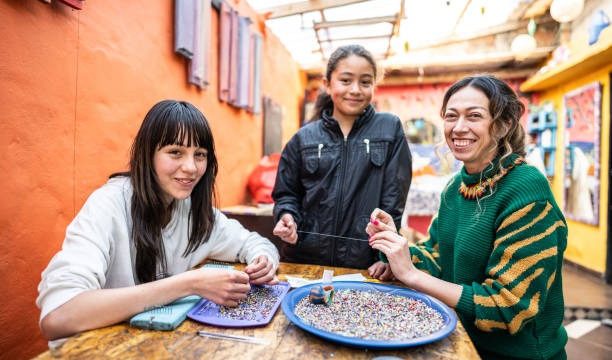
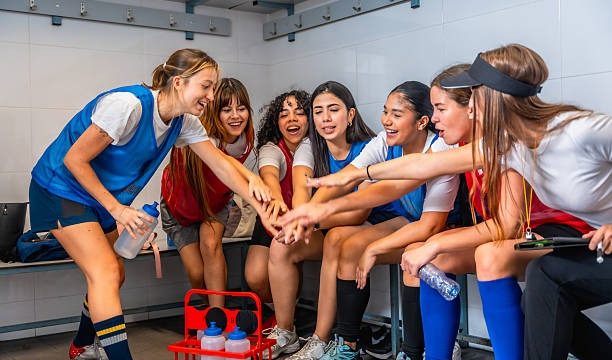
The role of teachers in this journey cannot be overstated. They are the guiding lights who facilitate learning and understanding. In inclusive classrooms, teachers are trained to recognize and appreciate the diversity of their students. They create a safe space where every child feels valued. This nurturing environment fosters friendships among peers, allowing children to learn empathy and cooperation. When children work together on projects or engage in group activities, they develop social skills that are crucial for life beyond the classroom.
Families also play a vital role in the success of inclusive special education. When parents and caregivers are involved in their child’s education, it creates a strong support system that reinforces learning at home. Communication between educators and families is key. Regular updates and discussions about a child’s progress help ensure that everyone is on the same page. This collaboration can lead to innovative strategies that further support the child’s development, making learning a truly communal effort.
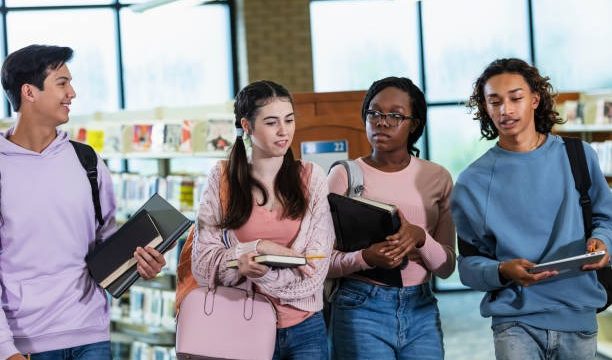
As we consider the broader impact of inclusive education, it’s important to recognize the values it instills in all students. When children learn alongside their peers with special needs, they gain valuable lessons in kindness, acceptance, and respect. These experiences shape their character and prepare them to become compassionate adults who appreciate diversity in all its forms. The ripple effect of this understanding extends beyond the classroom, influencing how they interact with others in their communities.
A small shift toward balance can be observed in the growing recognition of mental health and well-being within educational settings. Inclusive special education promotes not only academic success but also emotional resilience. Educators are increasingly aware of the importance of social-emotional learning, which helps children develop skills such as self-awareness, self-management, and interpersonal skills. By nurturing these aspects, schools create a holistic approach to education that supports the overall well-being of every child.
The journey through inclusive special education is not without its challenges. There may be moments of uncertainty or frustration, particularly when resources are limited or when navigating differing opinions on best practices. However, it is essential to approach these challenges with an open heart and mind. Each obstacle can serve as an opportunity for growth, prompting educators, families, and communities to come together and seek solutions. This collaborative spirit can lead to innovative practices and programs that benefit everyone involved.
In recent years, there has been a positive shift in public perception regarding inclusive special education. More communities are recognizing the importance of accessibility and inclusivity in schools. Advocacy efforts have increased awareness and support for policies that promote inclusive practices. As a result, we are witnessing a gradual transformation in educational systems, where the focus is on creating environments that celebrate diversity and foster equity.
Looking ahead, the future of inclusive special education appears bright. Continued advocacy and innovation will be key in ensuring that every child has access to quality education tailored to their needs. We can envision classrooms where technology plays a role in breaking down barriers, allowing for even greater participation and engagement. With the right resources and support, the possibilities are endless.
Ultimately, a positive journey through inclusive special education is about embracing the beauty of diversity. It is a testament to the resilience of children and the dedication of educators and families. By fostering an environment where every child is seen, heard, and valued, we cultivate a society that thrives on understanding and compassion. As we navigate this journey together, let us celebrate the small victories, learn from our challenges, and continue to strive for a world where every child can shine.