In today’s fast-paced world, the importance of essential life skills cannot be overstated.
As we navigate through various stages of life, these skills become our guiding lights, helping us to face challenges, build relationships, and foster personal growth.
Whether you’re a parent, educator, or someone looking to enhance your own skills, understanding how to help learners develop these essential competencies can create a profound impact.
The journey towards acquiring life skills often begins in the early years. It is during this formative period that children start to understand their emotions, interact with peers, and learn the basics of responsibility. One of the most effective ways to nurture these skills is through play. Engaging in imaginative play not only sparks creativity but also teaches children how to collaborate, negotiate, and resolve conflicts. These playful interactions lay the groundwork for communication and social skills that are vital throughout life.
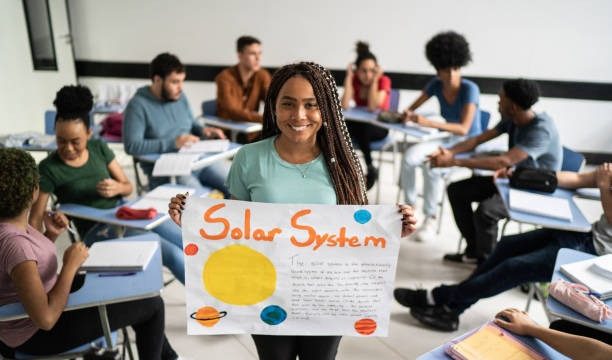
As children grow, the focus shifts from play to more structured learning experiences. This is where the role of educators and mentors becomes increasingly significant. By creating a supportive environment, they can encourage learners to explore their interests and develop critical thinking skills. It’s essential for educators to foster an atmosphere where questions are welcomed, and curiosity is celebrated. When learners feel safe to express themselves and seek answers, they cultivate an inquisitive mindset that serves them well beyond the classroom.
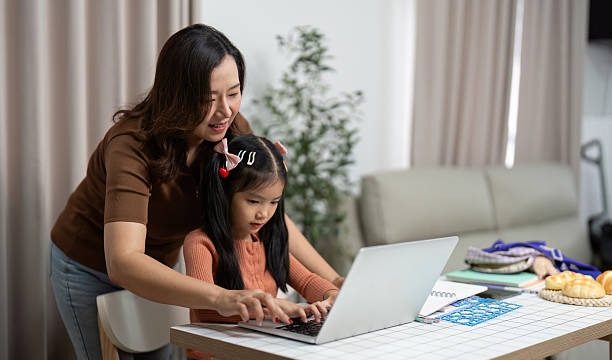
Encouraging independence is another crucial aspect of developing life skills. As learners take on small responsibilities—be it managing their homework, helping with chores, or making simple decisions—they begin to understand the value of accountability. This sense of ownership not only boosts their confidence but also prepares them for the real-world responsibilities that await them. Parents and educators can support this journey by guiding learners through decision-making processes, allowing them to weigh options and consider consequences.
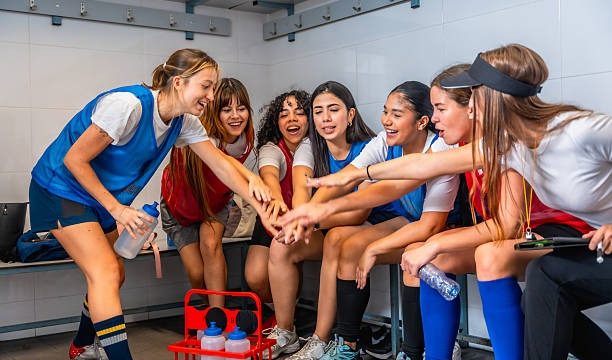
A small shift toward balance can also enhance the development of life skills. In our current age, where screen time often dominates, it’s important to encourage learners to engage in activities that promote physical health and emotional well-being. Whether it’s through sports, arts, or simply spending time in nature, these experiences teach resilience, teamwork, and self-discipline. They also provide learners with an essential outlet for stress, helping them to navigate the ups and downs of life with a healthier perspective.
Communication is a cornerstone of effective life skills. As individuals learn to express their thoughts and feelings, they cultivate stronger relationships and enhance their ability to work collaboratively. Encouraging open dialogue at home and in educational settings is vital. Teaching active listening, empathy, and respect for differing opinions can make a significant difference in how learners interact with others. When they practice these skills regularly, they become adept at building connections and resolving conflicts, which are invaluable in both personal and professional settings.
Emotional intelligence is another key component of life skills. Helping learners recognize and manage their emotions sets the stage for healthy relationships and self-awareness. Activities that promote mindfulness, such as journaling or meditation, can be beneficial. By encouraging learners to reflect on their feelings and experiences, they become more attuned to their emotional landscape. This awareness not only aids in personal growth but also enhances their ability to empathize with others.
As learners transition into adolescence and young adulthood, the focus on life skills expands to include financial literacy and time management. Understanding the basics of budgeting, saving, and responsible spending is crucial for young people preparing to enter the workforce. Additionally, teaching them how to prioritize tasks and manage their time effectively can lead to a more balanced lifestyle. These skills empower learners to take charge of their futures, instilling a sense of confidence in their ability to navigate the complexities of adult life.
The role of mentors and role models in this process cannot be overlooked. Having someone to look up to can inspire learners to strive for their goals and provide them with guidance along the way. Whether it’s a parent, teacher, or community leader, positive influence can shape a learner’s perspective and motivate them to develop essential skills. Sharing personal experiences, challenges, and triumphs can also help them understand that growth is a continuous journey.
As we reflect on the importance of essential life skills, it’s evident that the journey is not just about acquiring knowledge but about fostering a holistic development that encompasses emotional, social, and practical competencies. The beauty of helping learners develop these skills lies in the relationships built along the way. When we invest time and effort into nurturing these competencies, we are not only preparing individuals for life’s challenges but also enriching our communities as a whole.
In conclusion, cultivating essential life skills is a shared responsibility that involves parents, educators, and the community. By creating supportive environments that prioritize play, independence, communication, emotional intelligence, and practical knowledge, we can help learners thrive. As they embark on their unique journeys, these skills will serve as invaluable tools, guiding them toward fulfilling lives. Let us embrace the opportunity to nurture the next generation, empowering them to become resilient, confident individuals ready to face the world with grace and purpose.