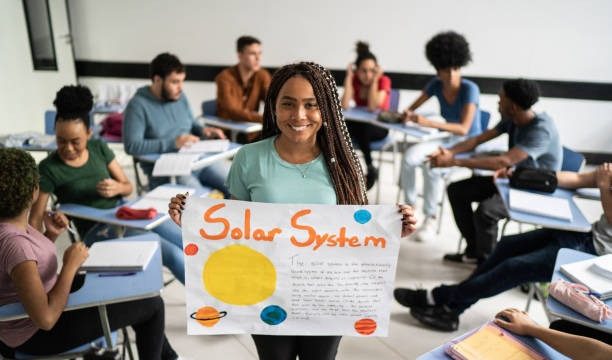
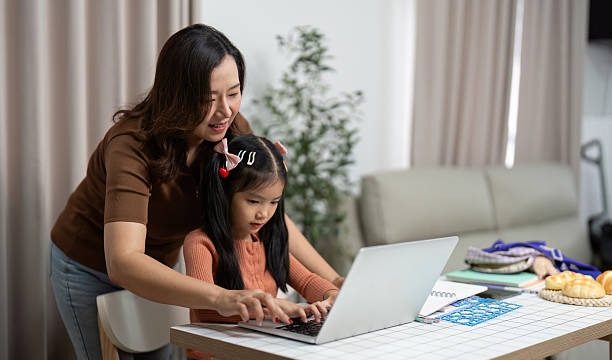
A classroom is often viewed merely as a space for learning, a place filled with desks, chairs, and chalkboards.
Yet, if we take a moment to step back and observe, we can see that a classroom is so much more than that.
It is a vibrant ecosystem brimming with potential, a sanctuary where curiosity is nurtured, friendships blossom, and creativity knows no bounds.
The essence of a classroom lies in its ability to transform lives. Every day, children walk through its doors with a mix of excitement and trepidation, ready to embark on a journey of discovery. They are not just students; they are explorers, thinkers, and dreamers. Within those four walls, possibilities unfurl like the petals of a flower, each one representing a new idea waiting to be explored.
Creating a nurturing environment is essential. When students feel safe and valued, their willingness to engage and take risks increases dramatically. A classroom that fosters emotional safety encourages open dialogue, where every voice is heard and appreciated. This sense of belonging is crucial, as it allows students to express themselves freely without the fear of judgment.
The role of the teacher in this dynamic is pivotal. Educators are not just dispensers of knowledge; they are mentors and guides who inspire students to reach their full potential. A teacher’s enthusiasm can ignite a spark in a child’s mind, encouraging them to delve deeper into subjects they may not have initially found interesting. By incorporating varied teaching methods—be it hands-on activities, group discussions, or creative projects—teachers can cater to diverse learning styles, ensuring that every student has the opportunity to shine.
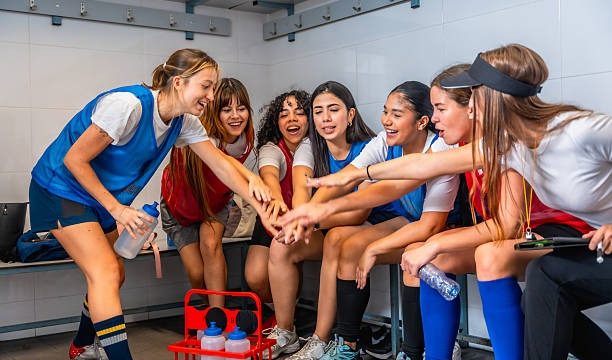
Encouraging collaboration among students is another vital ingredient in this recipe for success. Group work not only fosters teamwork but also teaches students the value of diverse perspectives. When children come together to solve problems, they learn to appreciate each other’s strengths and weaknesses. This collaborative spirit cultivates an environment ripe for innovation, where ideas can flourish and evolve into something extraordinary.
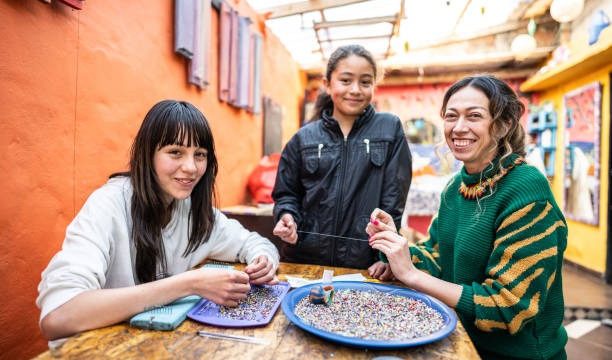
A classroom full of possibilities also embraces exploration beyond traditional academic subjects. Integrating arts, music, and physical activities into the curriculum can have a profound impact on a child’s development. The arts unlock creativity, allowing students to express their thoughts and emotions in unique ways. Music, too, can serve as a powerful tool for learning, enhancing memory and fostering a sense of rhythm and discipline. Physical education promotes not only health but also teamwork and resilience. When students engage in a well-rounded curriculum, they develop holistically, preparing them for the multifaceted world outside the classroom.
Nature can also play a significant role in this journey of discovery. Bringing aspects of the outdoors into the classroom, whether through field trips, gardening projects, or nature walks, can invigorate the learning experience. Nature has a way of sparking curiosity and wonder, reminding students of the beauty and complexity of the world around them. This connection to the environment can foster a sense of responsibility and stewardship, encouraging students to think critically about their place in the world.
A small shift toward balance is often all it takes to unlock the door to a world of possibilities. Recognizing the importance of mental well-being in education is essential. Incorporating mindfulness practices, such as breathing exercises or quiet reflection time, can help students develop emotional resilience. They learn to manage stress and cultivate a positive mindset, which can significantly enhance their learning experience.
In addition to emotional support, the importance of academic rigor cannot be overlooked. A classroom that challenges students to think critically and engage with complex concepts prepares them for the future. Encouraging a growth mindset—where mistakes are viewed as opportunities for learning—can empower students to embrace challenges rather than shy away from them. This approach fosters resilience, teaching them that perseverance is key to success.
As we consider the myriad of possibilities within a classroom, we must also acknowledge the role of families and communities. When parents and guardians are involved in their children’s education, the benefits extend far beyond the classroom. Open communication between educators and families creates a supportive network that reinforces learning. Community engagement can bring real-world experiences into the classroom, enriching the educational journey.
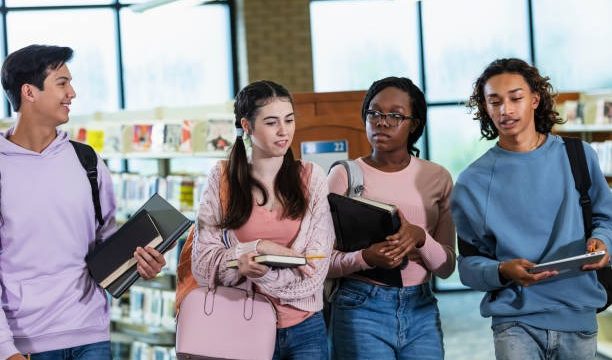
The beauty of a classroom full of possibilities is that it reflects the diverse tapestry of human experience. Each student brings their unique background, interests, and perspectives. This diversity is a powerful asset, enriching discussions and broadening understanding. When students learn to celebrate differences and work together despite their varying viewpoints, they are better prepared to navigate the complexities of the world outside.
Ultimately, a classroom is a microcosm of society. It is a place where students can learn not only academic skills but also essential life skills—communication, empathy, and collaboration. The connections formed within those walls can last a lifetime, shaping the individuals they grow up to be.
As we continue to reimagine what a classroom can be, let us embrace the vision of a space filled with possibilities. By nurturing creativity, fostering emotional well-being, and encouraging collaboration, we can empower the next generation to dream big and reach their full potential. The journey of learning is a beautiful adventure, and every classroom holds the promise of new discoveries waiting to be made.