In a world filled with endless information and diverse learning styles, the quest for effective education can often feel overwhelming.
We all have unique ways of absorbing knowledge, and what works for one person might not resonate with another.
The beauty of learning lies in its fluidity, and understanding how to embrace this diversity can lead to a more enriching experience for everyone involved.
A gentle exploration of personal learning styles reveals that each individual possesses a unique approach to acquiring knowledge. Some thrive in structured environments, while others flourish in more spontaneous settings. Recognizing these differences can cultivate a more inclusive atmosphere, whether in a classroom, workplace, or even at home. It’s essential to create spaces where everyone feels valued and understood, allowing for a more harmonious blend of ideas and perspectives.
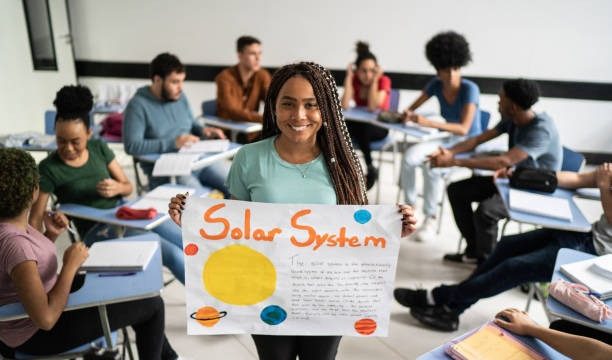
The importance of flexibility in learning cannot be overstated. Traditional education systems often follow a one-size-fits-all model, which can leave many feeling disconnected or frustrated. A small shift toward balance can be achieved by incorporating varied teaching methods that cater to different learning preferences. For instance, visual learners might benefit from diagrams or videos, while auditory learners may find podcasts or discussions more engaging. Incorporating a mix of these approaches can help bridge the gap and create a richer learning environment.
Finding joy in the learning process is crucial. When individuals feel a sense of curiosity and excitement, they are more likely to engage deeply with the material. This is where the role of passion comes into play. Encouraging learners to explore topics that genuinely interest them can spark a desire to learn more. Whether it’s through creative projects, hands-on experiences, or interactive discussions, nurturing enthusiasm can transform the educational experience into something vibrant and meaningful.
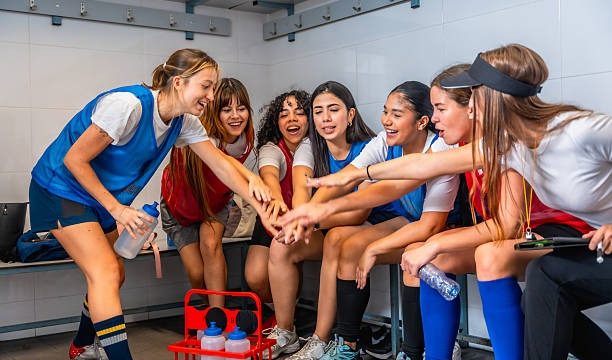
The role of community in learning is another vital aspect that often goes unrecognized. When individuals come together to share knowledge and experiences, a powerful synergy can emerge. Collaborative learning fosters a sense of belonging and encourages the exchange of ideas. This communal approach not only enriches individual understanding but also builds connections that can last a lifetime. Engaging in group activities, study sessions, or even casual discussions can enhance the learning journey for everyone involved.
Mindfulness in learning is an emerging concept that emphasizes the importance of being present and aware during the educational experience. By cultivating a mindful approach, individuals can enhance their focus and retention of information. This can be as simple as taking a few deep breaths before diving into a new topic or setting aside distractions to create a conducive learning environment. When learners are mindful, they can absorb material more effectively and appreciate the nuances of the subject matter.
Technology has transformed the way we learn, offering a plethora of resources at our fingertips. Online courses, educational apps, and interactive platforms provide opportunities for personalized learning experiences. However, it’s essential to strike a balance between leveraging technology and maintaining meaningful human connections. While digital tools can enhance learning, they should complement rather than replace face-to-face interactions. Finding this balance can lead to a more fulfilling educational experience.
Another aspect of learning that works for everyone is the concept of lifelong learning. Education doesn’t stop after formal schooling; it is a continuous journey that evolves with time. Embracing a mindset of curiosity and openness can lead to personal growth and development at any age. Whether it’s picking up a new hobby, reading about a different culture, or attending workshops, there are countless opportunities to expand one’s horizons. This commitment to lifelong learning not only enriches the individual but also contributes positively to society as a whole.
As we navigate the complexities of learning, it’s important to remember that challenges are a natural part of the process. Encountering obstacles can often lead to the most profound growth. Embracing setbacks as learning opportunities can foster resilience and adaptability. Encouraging a culture where mistakes are viewed as stepping stones rather than failures can create a supportive environment that empowers everyone to take risks and explore new ideas.
In the pursuit of effective learning, self-compassion plays a crucial role. It’s easy to be hard on ourselves when we struggle to grasp a concept or fall behind. Practicing kindness toward oneself fosters a positive mindset, allowing for greater exploration and experimentation. When individuals are gentle with themselves, they are more likely to embrace the learning process with an open heart and an inquisitive mind.
Creating a supportive learning environment is not just about the methods used, but also about the relationships fostered within that space. Building trust and rapport among learners can encourage open communication and collaboration. When individuals feel safe to express their thoughts and questions, a richer dialogue emerges, paving the way for deeper understanding and connection.
Ultimately, learning that works for everyone is about embracing diversity, fostering community, and nurturing curiosity. By recognizing and celebrating the unique learning styles and preferences of individuals, we can create a more inclusive and enriching educational experience. Let’s encourage one another to explore, engage, and grow together, paving the way for a brighter future where learning truly works for everyone.
As we move forward, let’s remember that the journey of learning is not a destination but a vibrant path filled with opportunities for connection and growth. By honoring each person’s unique approach and fostering an environment of support and compassion, we can create a world where learning is not only effective but also a joyful experience for all.